

Recycling
-
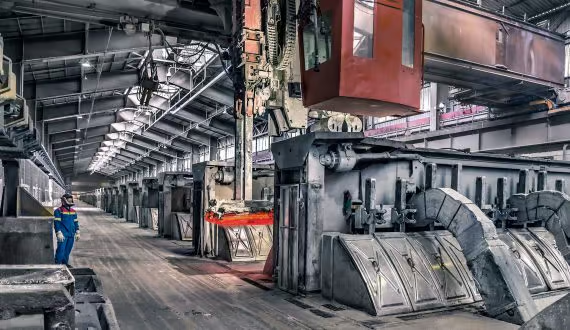
Trimet’s new 40,000T laser sorting hub strengthens aluminium recycling in Hamm
The LIBS system analyses up to 150 scrap pieces per second, detecting alloying elements like silicon, copper, iron, and magnesium.
-
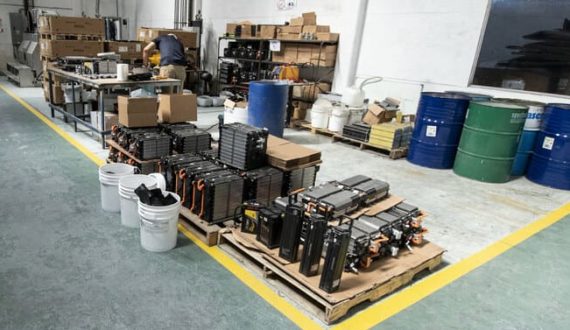
Ericsson recycles 5,000MT of end-of-life e-waste, metal recovery in Saudi Arabia
The equipment is processed by Ericsson-approved recyclers, fully licensed, with strong recycling performance and compliance with international environmental, health, and safety standards.
-
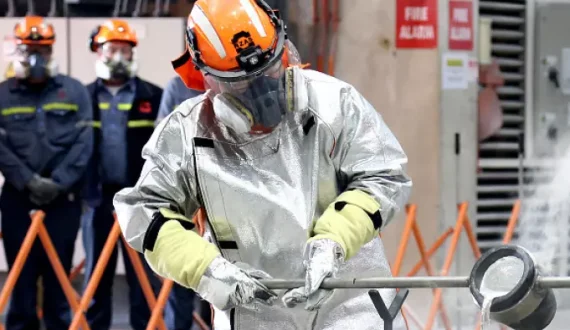
NZ aluminium extruders seek recycling protection as 109% import surge threatens sector
Imported hollow extrusions arrive at ~US$4,000/tonne, while local manufacturers pay higher prices for aluminium billet, making it hard for recyclers to compete.
-
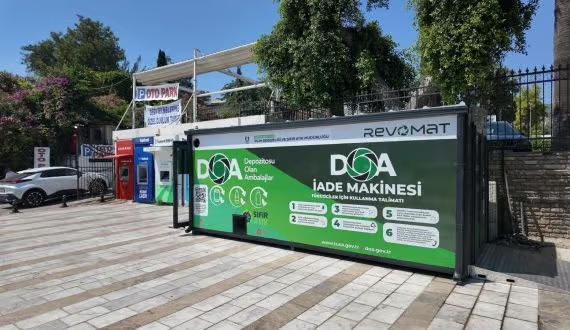
Türkiye’s DOA deposit recycling system hits 3M users with 130M containers returned
Targeting DOA-labelled PET, glass, and aluminium drinks containers, RVMs verify, count, and digitally log each return before directing it to recycling.
-

Novatex’s new 24,000T Lahore rPET plant targets Pakistan’s 4-9% recycling gap
The plant processes post-consumer PET bottles, mainly from Pakistani municipal kerbside collection, with output used in its own preform production or sold locally and abroad.
-

Henkel’s Shanghai lab gains EU recyclability testing accreditation
The move expands Henkel’s regional support for packaging producers, converters, and brand owners navigating PPWR and broader recyclability requirements across Asia-Pacific.
-

Ahlstrom’s new Grease-Gard PLUS, PRO target PFAS-free fast food packaging
The recyclable product replaces wax-treated papers in moist food-service applications, helping brands reduce single-use plastics and coated packaging.
-
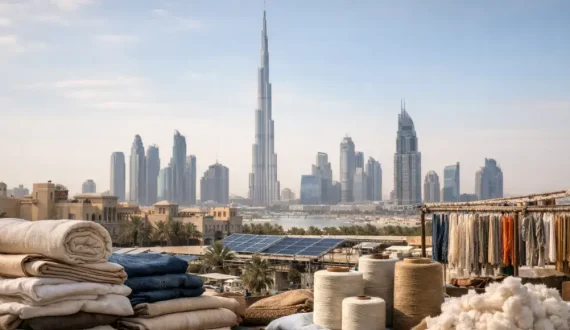
EMF to co-design UAE’s national textile recycling, circularity framework
The Ellen MacArthur Foundation–UAE collaboration will advance the country’s circular economy goals, cutting waste, boosting recycling, and building sustainable industries across sectors.
-
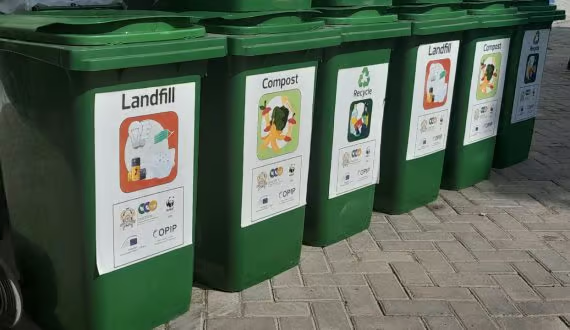
Petra gets new waste-sorting bins to enhance recycling, tourism preservation
Sorting bins at Petra are expected to cut landfill waste from the site and create opportunities for local recyclers to process the collected materials.
-
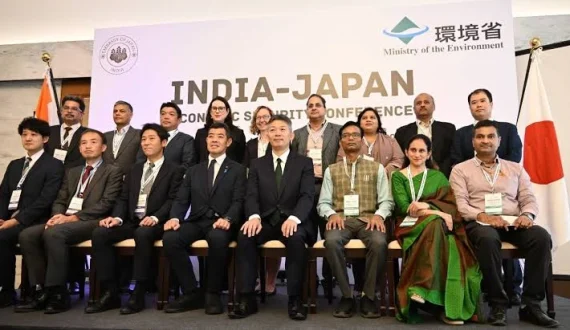
Japan, India forge rare metal, mineral, recycling partnership in Delhi
India’s expanding e-waste stream and Japan’s advanced recycling technologies make for a natural partnership in recovering valuable materials from discarded devices.