

LATEST NEWS
-
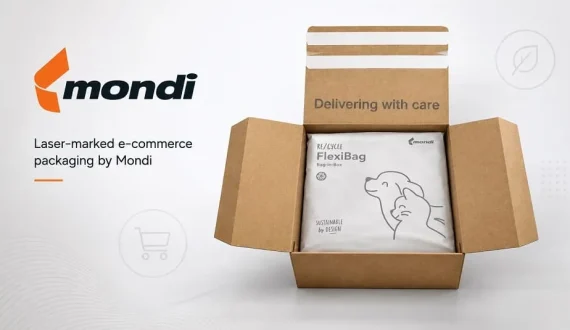
Mondi’s new laser-marked flexible packaging eliminates printing plates for E-commerce, bag-in-box applications
The design targets e-commerce and bag-in-box applications, working across flexible packaging formats to advance circularity and strengthen supply chains.
-
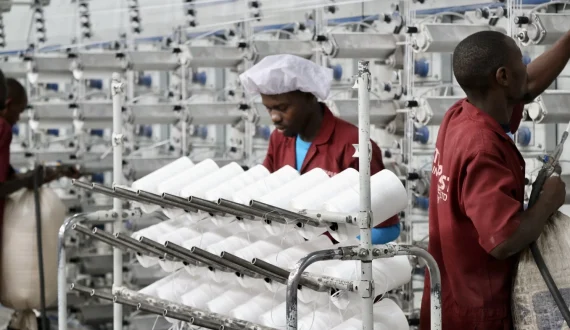
Texplast secures US$15M investment to scale aseptic packaging
Donald Muchiri Kariuki, Norfund’s Senior Investment Manager, said that boosting local aseptic packaging production would strengthen supply chains and support East Africa’s growing food processing industry.
-

WWF Tunisia’s marine recycling project transforms abandoned fishing gear into circular economy opportunities
Careful sorting supplies artisan cooperatives with raw materials for upcycling, while polymers unsuitable for artisans go to licensed recyclers for industrial processing.
-
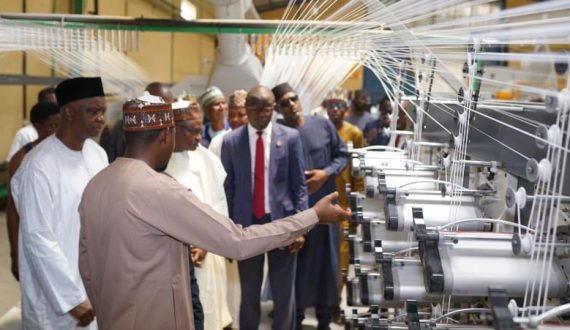
BlackHorse’s 240MT sack packaging plant, 400MT rice mill strengthen Nigeria’s agricultural packaging value chain
The plant produces woven PP bags for storing, transporting, and exporting agricultural produce, filling a critical packaging gap that has long constrained Nigeria’s agricultural competitiveness.
-
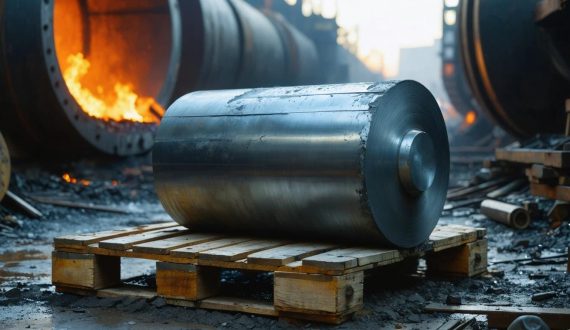
RHI Magnesita, KhemkalLaunch MINPRO refractory recycling venture with 51% controlling stake, land-based share allotment
The venture recovers and reuses spent refractories to boost circular mineral supply for steel, cement, and non-ferrous industries.
-
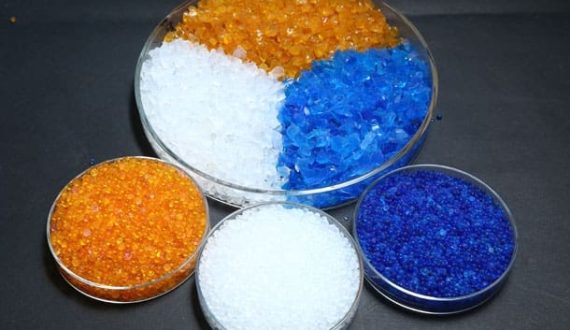
Bee Chems’ advanced silica gel packaging protects pharmaceuticals, electronics from moisture in Indian manufacturing
Silica gel, a highly porous silicon dioxide with vast internal surface area, attracts and retains water vapor without altering its structure, making it a trusted desiccant for industrial and commercial use.
-
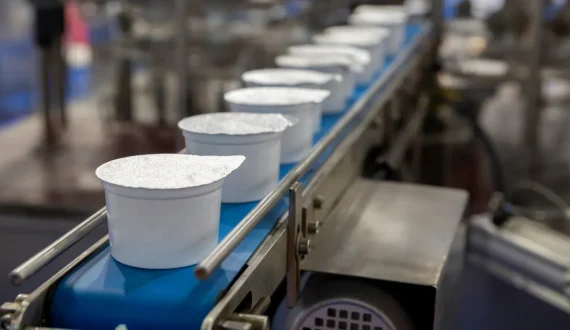
EU PPWR FAQ clarifies penalty procedures, existing stock rules and traceability ahead of 12 August deadline
The Commission clarifies that packaging produced and in stock but not placed on the market by 12 August 2026 does not need to be destroyed, remanufactured, or re-labeled.
-
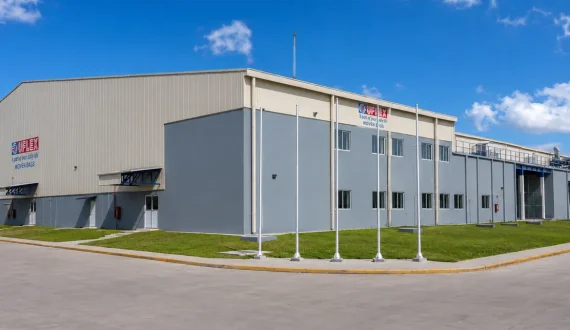
UFlex’s US$52M Mexico WPP packaging plant targets North American pet food market
The site’s WPP bags feature mite-preventive laser venting (letting air out while blocking mites) and precision hot-air sealing that adapts to various bag sizes for durability and product safety.
-
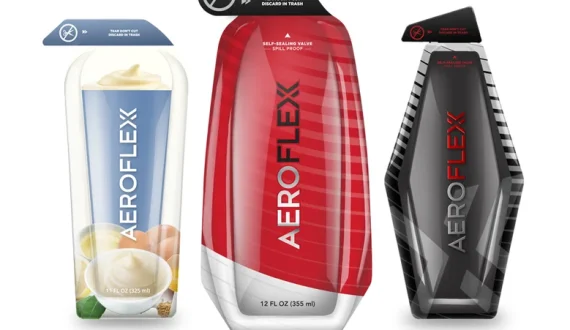
AeroFlexx partners with PLAFILM to deploy airframe liquid packaging across Colombia, Venezuela, Central America
The partnership merges AeroFlexx’s packaging and manufacturing capabilities across North America, Europe, and Southeast Asia with PLAFILM’s 25+ years of regional brand experience.
-
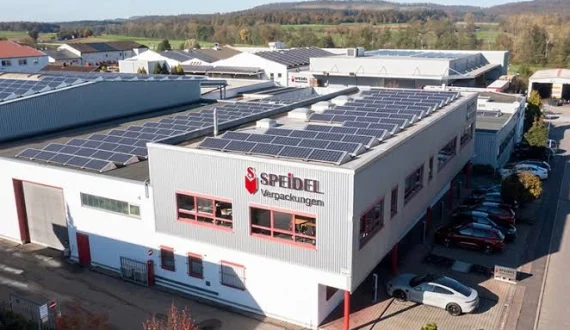
Antalis bolsters European recyclable packaging portfolio with Speidel acquisition
The acquisition fits Antalis’s strategy to grow in customised packaging—a segment it sees as a key growth driver for its European business.