

LATEST NEWS
-
UPM Adhesive Materials to open its first Indian label plant in 2028
A domestic coating line lets the company respond faster to customers, cutting reliance on imported label stock and shortening lead times for Indian converters.
-
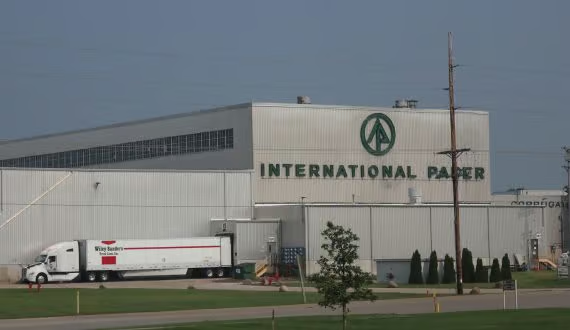
International Paper reports US$1.1B loss on EMEA impairment
Reflecting a reduced valuation of its European, Middle Eastern, and African packaging operations, the goodwill impairment comes amid persistently slack regional demand and pricing pressure.
-

Elopak appoints Håkon Volldal as CEO from November 2
The earlier start date brings forward the planned transition, allowing the incoming chief executive to engage with the business ahead of the new financial year.
-

Glassmaker Verallia reports 2.1% revenue decline amid wine slump in Q32026
Lower shipments drove most of the quarterly shortfall, concentrated in July and August before a late-quarter rebound, while pricing effects were negligible, largely gone since early 2026.
-

Keryas, Al Karama plan US$12M tissue mill to secure packaging supply chains
Through jointly owned Sohar Paper Products LLC, the partners will build the proposed 20,000-tonne-per-year facility, targeting commercial operations by late 2027.
-
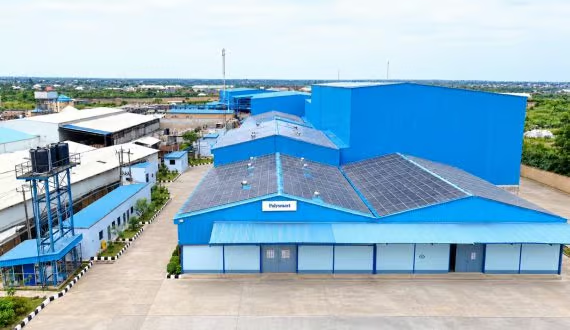
Polysmart commissions US$60M food-grade rPET plant in Ogun State
Processing up to 100,000 tonnes of post-consumer PET bottles a year (about 6.5 billion bottles), the plant diverts major plastic volumes from streets, landfills, drains, and waterways.
-
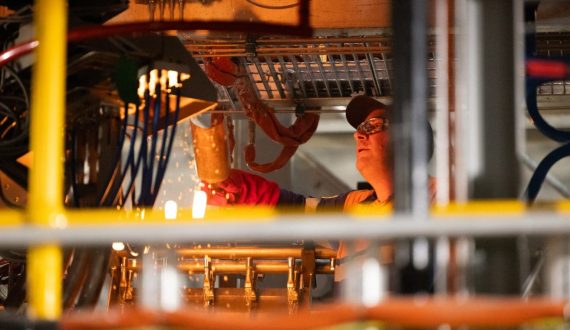
Visy produces first glass bottles at Yatala recycling facility
The facility south of Brisbane will process up to 200,000 tonnes of recovered Queensland glass annually, bringing sorting, melting, forming, and finished-product logistics together on one site.
-

Elopak reports 38% profit growth despite supply constraints
Elopak’s results show steady aseptic carton demand despite raw material and logistics cost pressure on margins, with supply chain reliability now a differentiator alongside innovation.
-

Ghana to confiscate banned styrofoam cargo from January 2027
Focusing on the border instead of retail, authorities aim to close a loophole letting importers bypass local bans with prohibited packaging materials from abroad.
-

Danone to revise plastic bottle recycling claims across Europe
The European Commission said the deal followed talks with the EU’s Consumer Protection Cooperation network, led by the Swedish Consumer Agency and Hungarian Competition Authority.