

LATEST NEWS
-
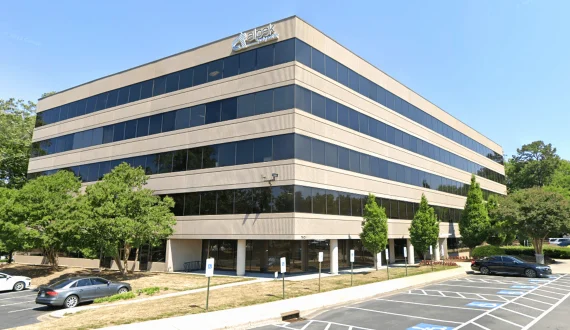
Alpek’s record Q2 PET margins hit US$336/ton as geopolitical turmoil drives packaging resin volatility
Young acknowledged ongoing uncertainty related to geopolitical developments, including potential disruptions in the Red Sea affecting ocean freight and carrier availability for both feedstocks and finished products.
-
Navigator’s Q2 packaging recovery, US$122M tissue investment drive sustainable growth
Growth was driven by rising demand for lightweight flexible packaging papers, food packaging and virgin-fibre liner products marketed under the gKRAFT™ brand.
-

Milly Glass SEZ’s 300,000-bottle daily plant targets Kenya’s monthly drug packaging imports
The glass packaging produced at the factory is fully recyclable, reducing the environmental impact of pharmaceutical packaging waste while supporting Kenya’s circular economy objectives.
-
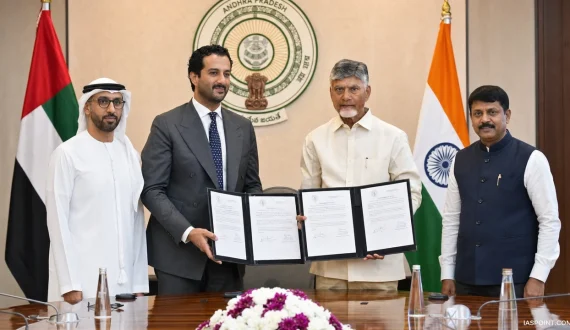
UAE Food Cluster MoU, US$1.2M Gujarat plant anchor Andhra Pradesh’s food processing packaging hub
The packaging and cold-chain components of the cluster are expected to address a critical gap for exporters who have previously faced challenges with product shelf life and presentation in international markets.
-
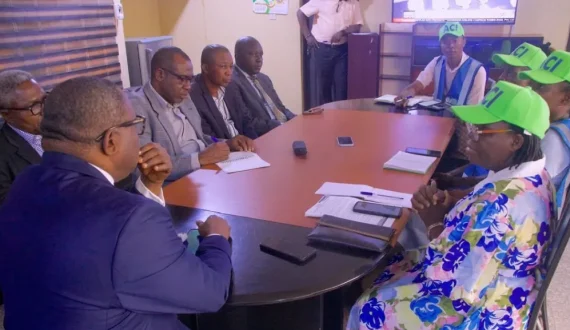
Ondo State partners with African Cleanup initiative on waste recycling, sanitation compliance
ACI plans to officially launch full-scale operations in September 2026 with environmental education campaigns in schools, advocacy visits, community cleanup exercises and recycling programmes across the state’s 18 local government areas.
-
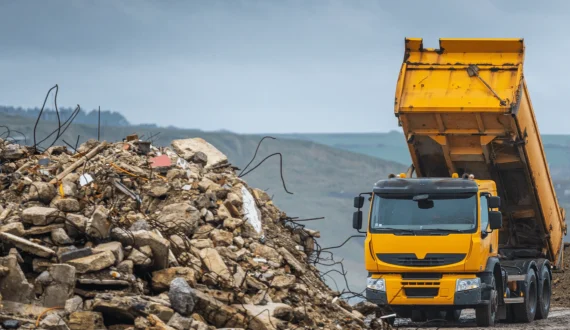
Ashghal’s record 63% construction recycling rate diverts 5.57MT in Qatar’s circular economy push
The achievements reinforce Qatar’s position as a regional leader in sustainable infrastructure while supporting long-term economic diversification and environmental stewardship.
-
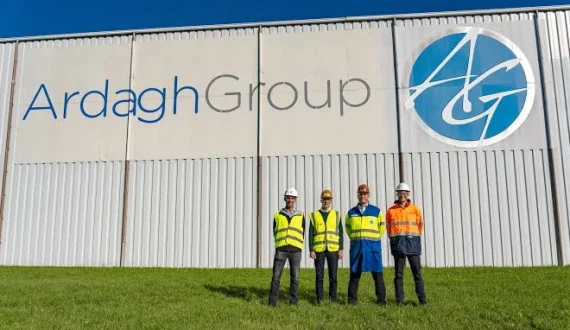
Ardagh metal packaging’s Q2 EBITDA soars 14% to US$240M as glass business launches transformation
Management described 2026 as a transition year for the metal business, with global volumes dipping 1% in Q2 against a strong prior-year comparison, but expects a return to growth in 2027 at least in line with the industry.
-
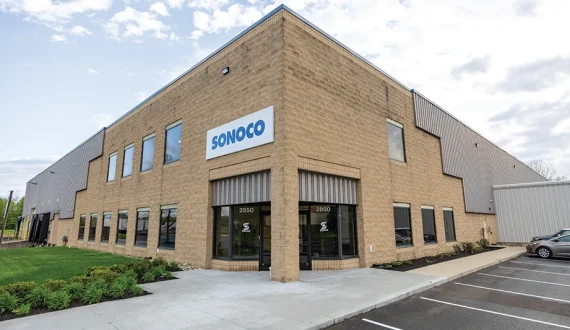
Sonoco’s Q2 packaging profit rises as industrial segment’s 95% recycling mill utilisation offsets 1% sales dip
Sonoco reaffirmed its full-year 2026 guidance of US$7.25-7.75 billion in net sales, US$1.25-1.35 billion in adjusted EBITDA, and US$5.80-6.20 in adjusted EPS.
-
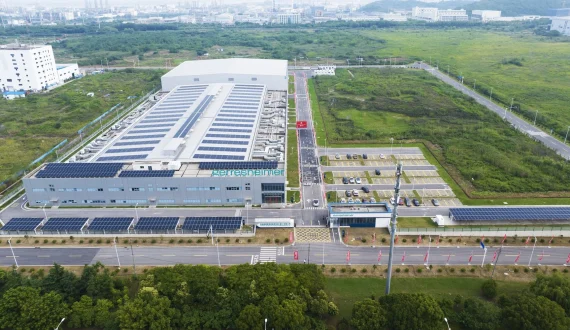
Gerresheimer doubles China pharmaceutical glass packaging capacity with new Zhenjiang plant
The plant manufactures glass vials and ampoules in multiple sizes and formats, in line with China’s Good Manufacturing Practices for pharmaceutical packaging.
-
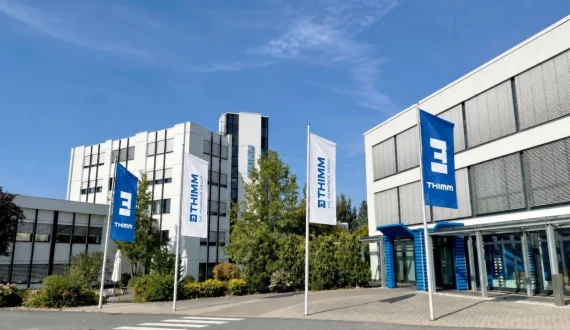
European Commission approves Saica’s acquisition of Thimm’s corrugated packaging plants across four countries
The acquired facilities include corrugated packaging plants in Alzey, Wolnzach, Eberswalde, Castrop-Rauxel and Northeim in Germany; Tychy and Skarbimierz in Poland; Všetaty in the Czech Republic; and Sibiu in Romania.