

Veolia’s Tahwil waste-to-energy recycling plant diverts 85% of hazardous waste from landfill in Saudi Arabia
Using strict safety protocols like controlled access and real-time monitoring, the facility turns most hazardous industrial waste from landfill fodder into valuable energy.
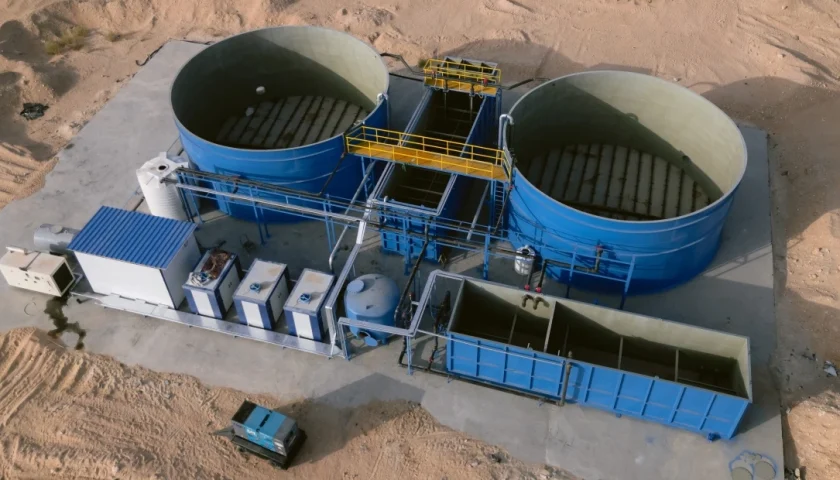
SAUDI ARABIA – Veolia Arabia’s Tahwil hazardous waste recycling and treatment facility in Jubail has processed over 121,000 tonnes of industrial waste annually while generating 40 tonnes of steam per hour and 39 MW of heat capacity, diverting more than 85 percent of waste from landfill since becoming operational.
The plant, located in PlasChem Park within Jubail Industrial City, represents Veolia Arabia’s first hazardous waste treatment and recycling facility in the Middle East and has created 120 jobs.
It operates under strict emission standards, incinerating waste at temperatures exceeding 1,100°C to destroy hazardous compounds while recovering energy through a waste-to-energy recycling process.
The facility treats most categories of hazardous industrial waste under strict safety procedures, including controlled access and continuous monitoring, transforming what would otherwise be landfill-bound waste into valuable energy resources.
Energy Recovery and Industrial Ecosystem Integration through Waste Recycling
Benjamin Aubert, CEO of Veolia Arabia, stated that the plant’s regional significance lies in combining hazardous waste treatment with energy recovery through advanced recycling processes.
Instead of sending non-recyclable hazardous waste to landfill, the plant captures heat generated during incineration and converts it into steam for industrial use through a waste-to-energy recycling loop.
This energy is fed back into the industrial ecosystem, reducing dependence on conventional energy sources, lowering carbon dioxide emissions, and supporting decarbonization and sustainability goals.
The recycling process transforms waste into a resource, with the facility processing 121,000 tonnes per year, generating 40 tonnes of steam per hour and providing 39 MW of heat capacity to support the circular economy in Saudi Arabia’s industrial sector.
Regulatory Compliance and Recycling Traceability
The Royal Commission for Jubail and Yanbu’s environmental regulations and the National Center for Waste Management’s landfill-diversion initiatives have increased expectations for companies to document waste collection, transport, treatment and disposal, with recycling performance being a key metric.
Aubert noted that traceability and compliance are integrated throughout Tahwil’s waste management and recycling process.
The plant’s technical team works with clients to assess waste streams, followed by a comprehensive compliance-gap review that aligns operations with regulatory requirements and ESG reporting needs.
Certified treatment and recycling records help industrial companies demonstrate regulatory compliance, reduce operational risks and provide measurable data for ESG reporting.
As Saudi Arabia advances its Vision 2030 environmental goals, Tahwil serves as a model for integrated hazardous waste recycling, combining depollution, energy recovery and full regulatory compliance while supporting the Kingdom’s transition toward a circular economy.
Subscribe to our email newsletters that provide busy executives like you with the latest news insights and trends from Africa and the World. SUBSCRIBE HERE

Be the first to leave a comment