

Saudi Arabia
-
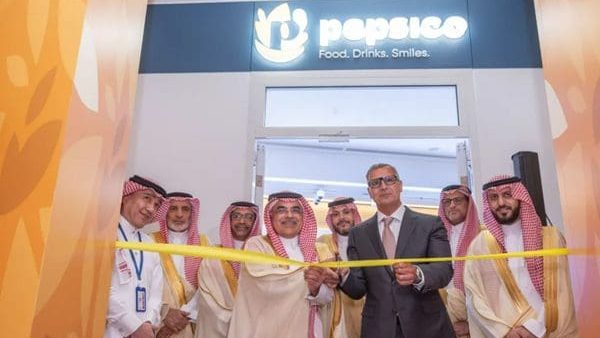
PepsiCo opens US$10M R&D hub in Riyadh to advance regional expansion, packaging
The Riyadh facility features dedicated packaging development and seasonings labs alongside quality testing, positioning packaging innovation as a core function, not a supporting one.
-
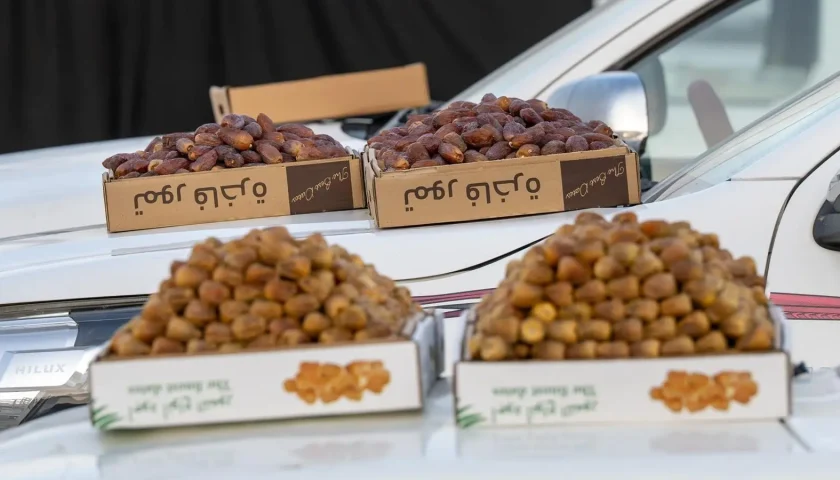
Qassim date industry expands market reach through standardised packaging
The shift from bulk pits to standardised transport/retail cartons has changed date distribution, enabling producers to supply bigger buyers, processors, exporters, retailers, requiring consistent packs for handling and display.
-
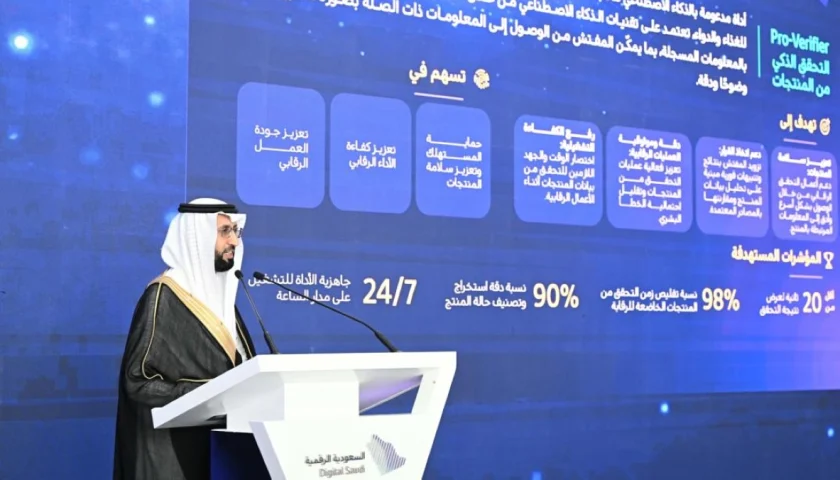
SFDA’s new AI tool verifies packaging in seconds, cutting inspection time by 98%
The tool standardises verification, cuts operational load, improves product safety, and speeds up clearance at entry points.
-

IMA Hassia’s new stick pack machine runs 18,000 cheese sachets per hour
Using up to 50% less material than traditional triangle packs, squares, blocks, or tubs, stick packs greatly reduce carbon footprint and environmental impact.
-
Saudi Arabia bans syringe-style cosmetic packaging from 2027 with new labelling rules for ampoules, vials
Manufacturers, importers, and other entities have until 31 December 2026 to withdraw affected products or modify them to meet the new requirements.
-
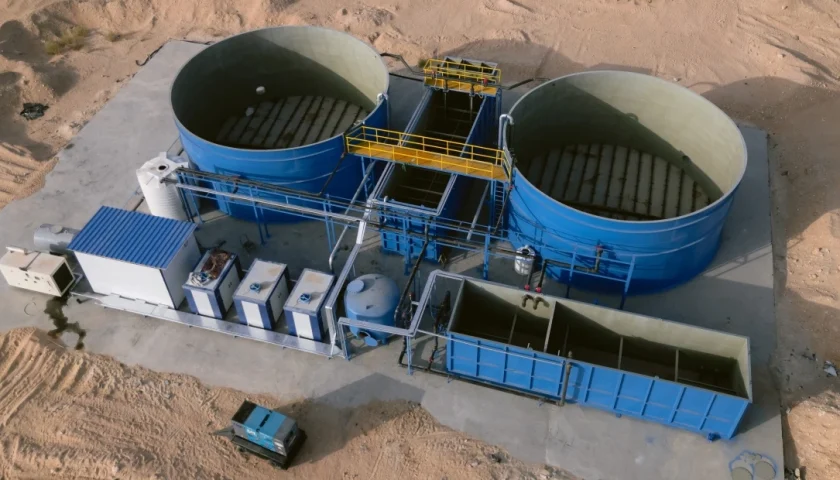
Veolia’s Tahwil waste-to-energy recycling plant diverts 85% of hazardous waste from landfill in Saudi Arabia
Using strict safety protocols like controlled access and real-time monitoring, the facility turns most hazardous industrial waste from landfill fodder into valuable energy.
-
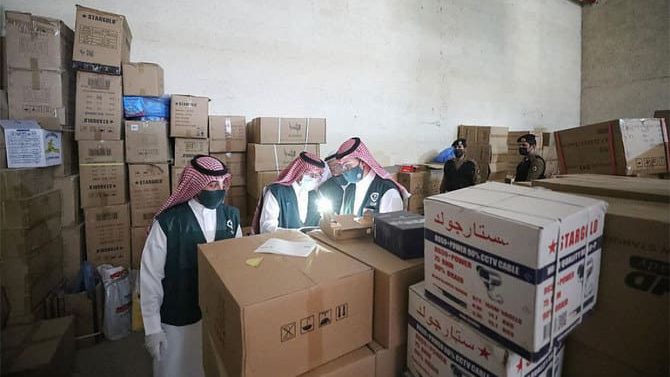
Saudi Arabia’s new packaging labelling rules propose US$267 fines for labelling violations
The proposed regulations explicitly require invoices to contain a brief description of the product or service, which must align with information printed on product packaging, reinforcing the connection between labelling accuracy and consumer rights.
-

FUJIFILM Middle East expands Office printing business, Prioritising UAE, Saudi Arabia with security-first document platforms
The expansion is supported by strategic partnerships with Gulf Commercial Group Company, which includes the Managed Print Services Company in the UAE, Gulf Business Solutions in Saudi Arabia, and CNS in Oman, as well as PACKPRO in Egypt.
-

GII takes minority stake in Hotpack Global to fund Saudi plant expansion, international growth
A local manufacturing facility in Al Kharj positions Hotpack to serve Saudi customers with shorter delivery windows, lower freight costs, and the ability to customise orders without long-distance coordination.
-

GCG Enterprise Solutions expands print production to Saudi Arabia, Oman as GCC demand surges
For organisations in Riyadh or Muscat previously reliant on UAE-based production facilities or international suppliers, the local presence could compress timelines.