

WWF Tunisia’s marine recycling project transforms abandoned fishing gear into circular economy opportunities
Careful sorting supplies artisan cooperatives with raw materials for upcycling, while polymers unsuitable for artisans go to licensed recyclers for industrial processing.
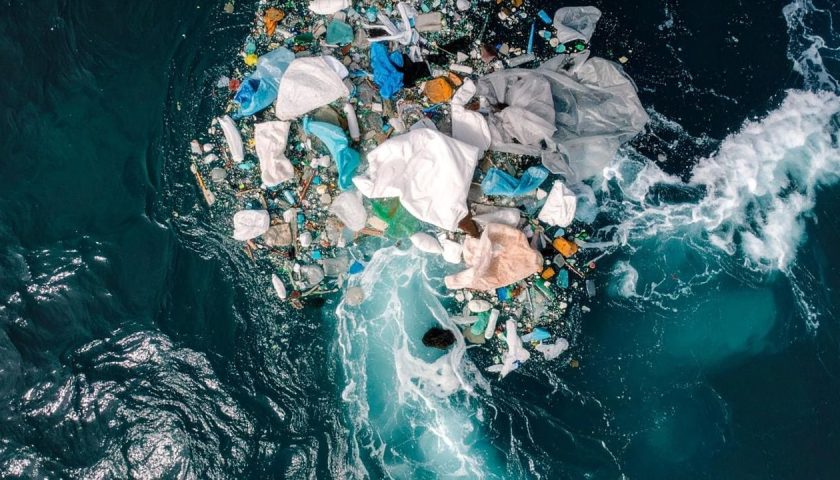
TUNISIA – WWF North Africa has launched a marine waste recycling initiative in Tunisia’s Gulf of Gabès that removes abandoned fishing gear from the sea and channels recovered polymers to artisan cooperatives and licensed recyclers, aiming to reduce marine pollution while creating economic opportunities for coastal communities.
The ECOSAFE WALD IF project, part of WWF’s broader programme to combat marine pollution and restore coastal ecosystems, carries out operations to remove abandoned, lost and discarded fishing gear from the sea.
These clean-up efforts generate significant quantities of degraded synthetic polymers, mainly Nylon 6, polypropylene and polyethylene that have been heavily altered by prolonged exposure to the marine environment.
Between 60% and 80% of marine litter consists of single-use products, with more than 10 million tonnes of macro-litter entering the marine environment every year.
Waste Management Track System Ensures Traceability and Material Recovery
The project has introduced an integrated “Waste Management Track” system that ensures continuity between waste recovery at sea and its treatment on land based on circular economy principles and the waste hierarchy, prevention, reuse, recycling, recovery and disposal, to guarantee traceability and maximise material recovery whenever feasible.
Careful sorting of the recovered materials will supply artisan cooperatives with suitable raw materials for upcycling, while polymers that cannot be used by artisans will be sent to licensed plastic recycling companies for industrial processing.
Non-recyclable residues will be tracked through to their final disposal at engineered landfills approved by Tunisia’s National Waste Management Agency.
Strengthening Local Livelihoods and Blue Carbon Mechanisms
Beyond cleaning up marine pollution, the ECOSAFE WALD IF project seeks to strengthen the capacities of fishermen’s groups and social and solidarity economy organisations.
By producing reliable data and implementing rigorous performance monitoring, WWF North Africa aims to ensure that reducing human pressure on coastal ecosystems translates into tangible improvements in the livelihoods of local communities.
An estimated 15% of marine litter washes up on beaches, 15% remains floating at the surface or suspended in the water column, and 70% sinks to the seabed, where it accumulates on the ocean floor.
The project is part of WWF’s commitment to restoring Posidonia oceanica seagrass meadows and developing blue carbon mechanisms in the Gulf of Gabès, addressing both marine pollution and climate resilience.
The initiative positions Tunisia as a regional leader in circular economy approaches to marine waste management.
Subscribe to our email newsletters that provide busy executives like you with the latest news insights and trends from Africa and the World. SUBSCRIBE HERE
Be the first to leave a comment