

Innovations & New Products
-
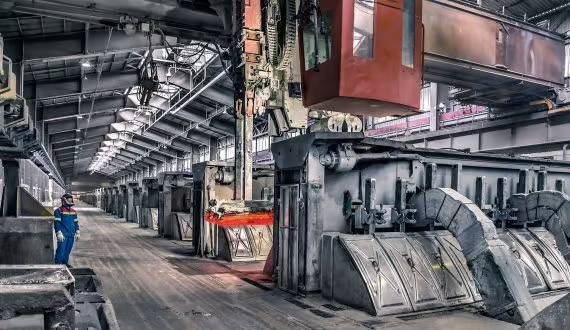
Trimet’s new 40,000T laser sorting hub strengthens aluminium recycling in Hamm
The LIBS system analyses up to 150 scrap pieces per second, detecting alloying elements like silicon, copper, iron, and magnesium.
-
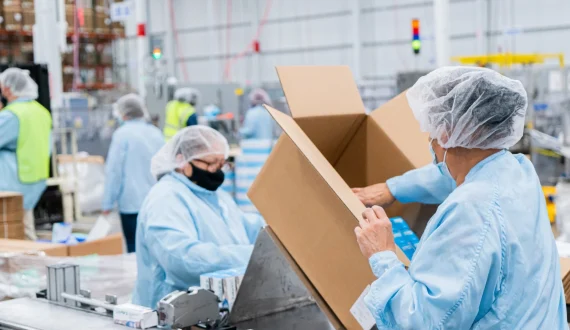
Mondelēz, PepsiCo, Pladis trial digital watermarks for flexible packaging sorting
A digital watermark is an invisible code applied during printing that sorting equipment can read to identify material type and whether the packaging held food.
-
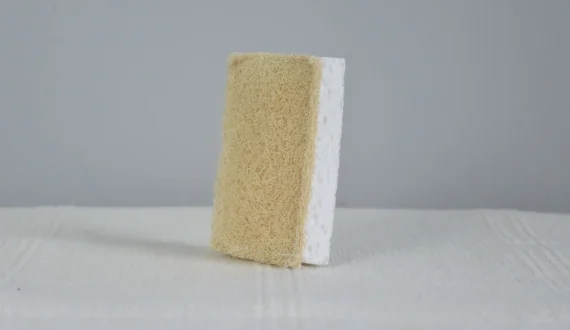
IISc’s bio-based foam moves to market with absolute cold for cold-chain packaging
The cold-chain logistics company is now developing a commercial product from the lab material for temperature-critical storage and transport applications.
-
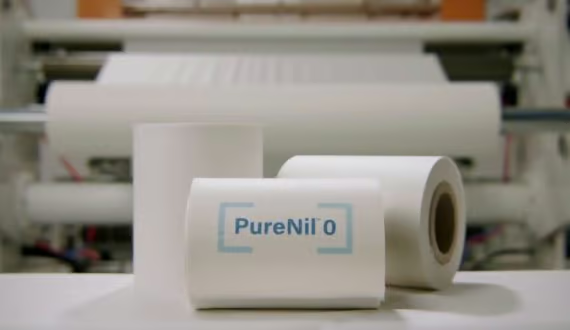
SmartSolve unveils bio-based pouch film that dissolves without microplastics
PureNil 0 is designed for dishwasher pouches, laundry sachets, single-dose cleaning sticks, toilet cleaner sachets, drain treatments, and refill pouches for multi-surface cleaners.
-

Aptar Beauty’s new custom pump powers L’Occitane’s refillable EMEA hand care range
L’Occitane’s redesigned hand care range signals a strategic brand shift, rooted in its apothecary heritage with timeless glass and plastic bottle designs.
-
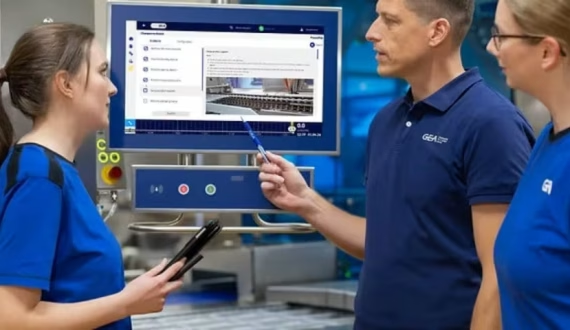
GEA’s new Changeover Assist cuts waste during food packaging changeovers
The tool is initially available for GEA PowerPak thermoformers and the MaxiFormer drum former, with the OptiSlicer set for future rollout.
-
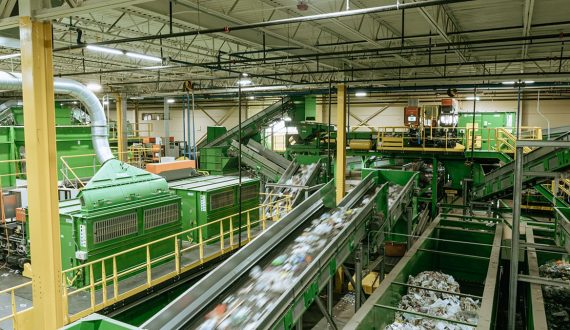
WM’s US$1.4B AI recycling, packaging waste push targets 90% facility automation
The facility’s AI-driven optical sorting has boosted performance, recycling EBITDA grew 22% in 2025, even as commodity prices fell 20%.
-
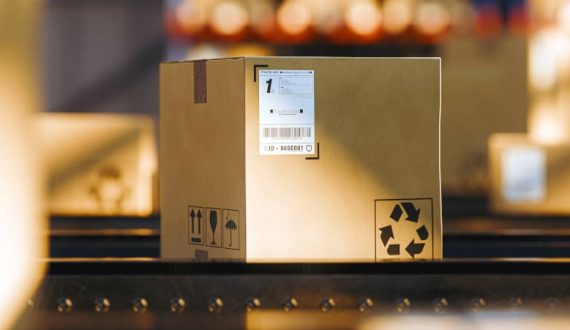
HERMA’s Linerless Plus cuts 1.37T of waste per 1.5M logistics labels
Announced on 26 August 2026, the new product extends the silicone-free HERMA InNo-Liner, suitable for both automated labelling and hand-applied labels from desktop printers.
-

Ahlstrom’s new Grease-Gard PLUS, PRO target PFAS-free fast food packaging
The recyclable product replaces wax-treated papers in moist food-service applications, helping brands reduce single-use plastics and coated packaging.
-
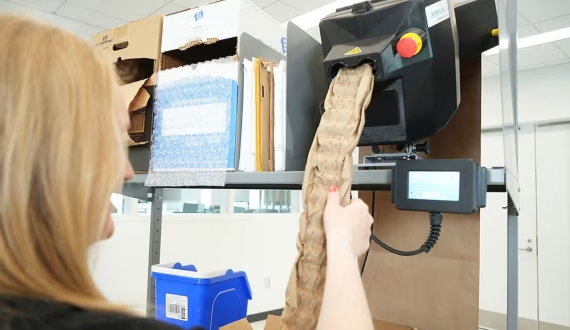
Sealed Air’s paper cushioning system optimises tight pack stations with 120ft/min output
The ProPad Mini handles both one-ply and two-ply fanfold paper, ideal for e-commerce, 3PL, and distribution operations.