
AB InBev revives stake in US metal packaging plants with US$3B buyback amid soaring aluminium costs
The metal container plant operations include seven facilities across six states.
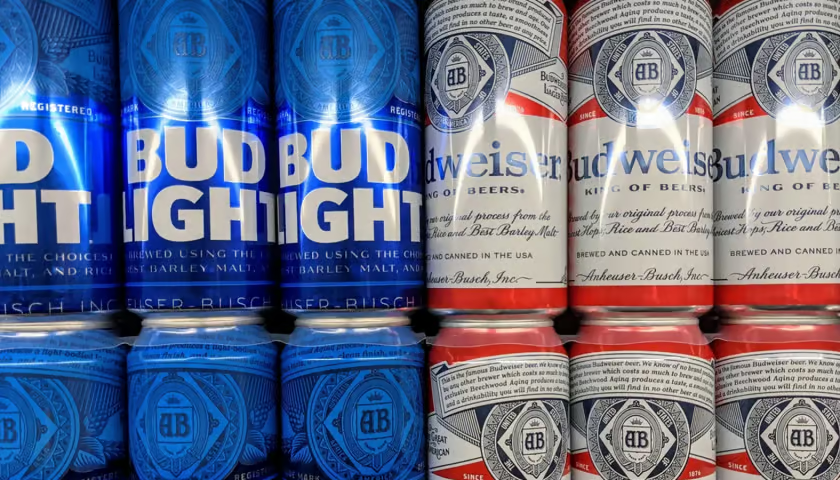
USA – Anheuser-Busch InBev (AB InBev) has moved to reacquire a 49.9% stake in its U.S. metal container operations for approximately US$3 billion, marking its most significant investment since reducing its debt levels to investor-acceptable thresholds at the end of 2024.
The world’s largest brewer confirmed it will exercise the repurchase option it secured when it sold the minority stake in 2020 to a consortium led by Apollo Global Management.
The brewer originally parted with the stake during a period of aggressive deleveraging following a series of acquisitions that had pushed its debt levels to historic highs.
Despite the sale, AB InBev retained operational control across seven can-making facilities located in six U.S. states and maintained long-term supply agreements to ensure continuity of packaging for brands including Budweiser, Michelob Ultra, and Corona.
The repurchase, which AB InBev expects to close in Q1 2026, will be funded entirely in cash. While the company offered few specifics behind the timing, it emphasized the strategic value of securing its packaging supply chain, particularly as aluminium costs continue to surge due to tariffs and tightening market conditions.
Tariffs drive aluminium prices to multi-year highs
The decision coincides with record-high premiums for U.S. aluminium buyers, driven by elevated import tariffs and limited domestic supply.
Benchmark aluminium prices on the London Metal Exchange climbed to US$3,130 per metric ton this week, the highest level since April 2022.
Compounding the pressure, President Donald Trump’s administration doubled tariffs on aluminium imports to 50% in June, aimed at bolstering domestic production capacity.
AB InBev has relied on hedging strategies to reduce near-term pricing volatility, though CEO Michel Doukeris has warned of potential larger impacts beginning in 2026.
For packaging-intensive beverage manufacturers, the metal cost surge is reshaping supply strategies, accelerating on-shoring, and prompting vertical integration moves similar to AB InBev’s latest step.
Analysts have responded positively to the buyback. Bernstein’s Trevor Stirling noted that the cost of purchasing packaging, combined with minority interest payments, has been lower than the nominal interest cost on US$3 billion in financing, implying an immediate earnings boost.
The transaction is also expected to modestly impact AB InBev’s future share buyback capacity.
The move comes as U.S. beer volumes face downward pressure. Consumers are tightening spending, while beer continues to lose share to spirits. Shifting preferences among younger drinkers add further complexity to long-term category growth.
Subscribe to our email newsletters that provide busy executives like you with the latest news insights and trends from Africa and the World. SUBSCRIBE HERE


Be the first to leave a comment