

The Glass Comeback: How Plastic Bans and Premiumisation Are Reviving an Ancient Material Across the MEA Region
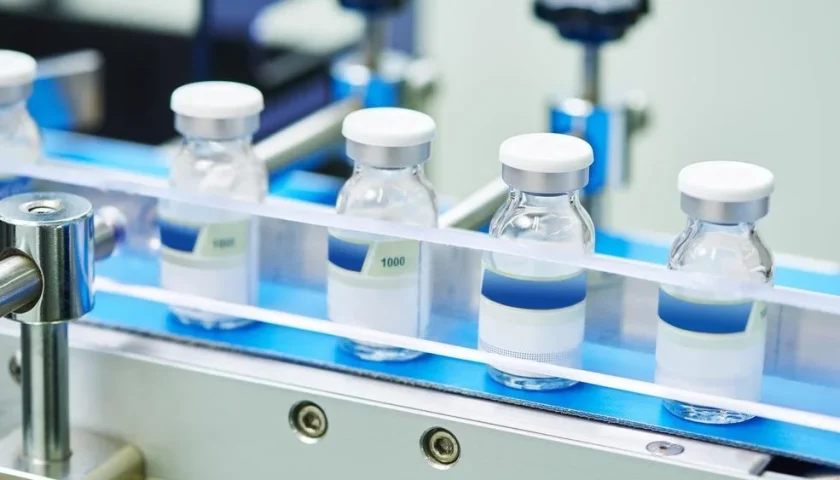
The MEA glass bottles market is set to grow from 4.98 million tonnes in 2025 to 6.30 million tonnes by 2030, driven by plastic substitution mandates, a surging pharmaceutical sector, and premiumisation across beverages, cosmetics, and perfumery.
After decades of losing ground to lighter alternatives, glass is staging a remarkable comeback, and the numbers prove it.
For an industry that spent decades chasing lighter, cheaper, and more flexible materials, the return to glass feels almost counterintuitive. Yet here we are.
As governments across the Middle East tighten the noose on single-use plastics and consumers increasingly associate glass with authenticity and eco-consciousness, one of humanity’s oldest packaging materials is staging a revival that industry players cannot afford to ignore.
The numbers tell a compelling story. The Middle East and Africa glass bottles market is estimated at 4.98 million tonnes in 2025 and is expected to reach 6.30 million tonnes by 2030, registering a CAGR of 4.81%.
The broader MEA glass packaging market is expected to grow at 5% over the same period, with the United Arab Emirates leading at an impressive 6.3% CAGR. This is not a nostalgic revival; it is a strategic pivot driven by regulation, healthcare expansion, and the unique properties that make glass irreplaceable in premium applications.
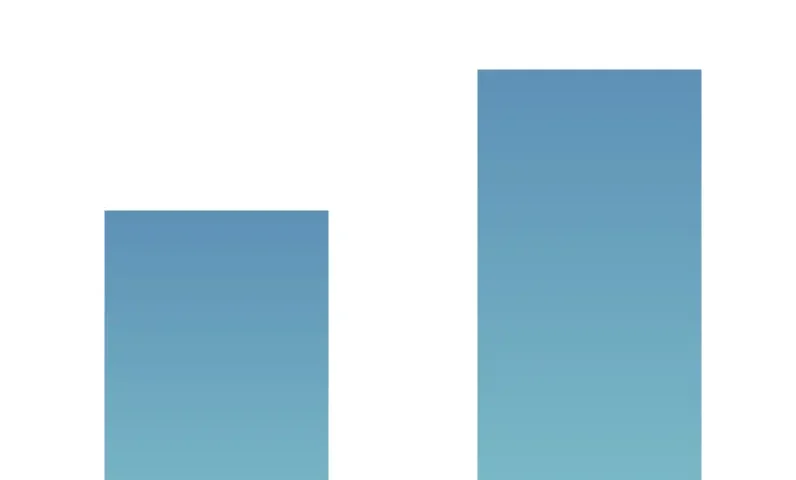
Source: Mordor Intelligence
The Plastic Substitution Mandate
The regulatory winds are shifting decisively against plastic across the GCC. National single-use plastic bans are compelling brand owners to pivot toward endlessly recyclable glass.
In the UAE, the Dubai Executive Council approved a policy imposing a 25 fils levy on disposable plastic bags from July 2022, while the Crown Prince of Dubai actively encourages individuals and businesses to reduce disposable plastics. This regulatory pressure has created a void that glass is uniquely positioned to fill.
Sustainability push and plastic substitution are delivering a +1.3% impact on CAGR forecasts for glass bottles in the region. Consumer preference studies indicate 92% positive sentiment toward glass packaging in beverage applications, driven by perceptions of quality preservation and recyclability.
An increasing trend of transparency in food packaging has put growing preference on glass as a material, being the least opaque. This is particularly evident in the premium water segment, where minimalist labelling allows the material’s clarity and purity to speak for itself.
The Pharmaceutical Surge
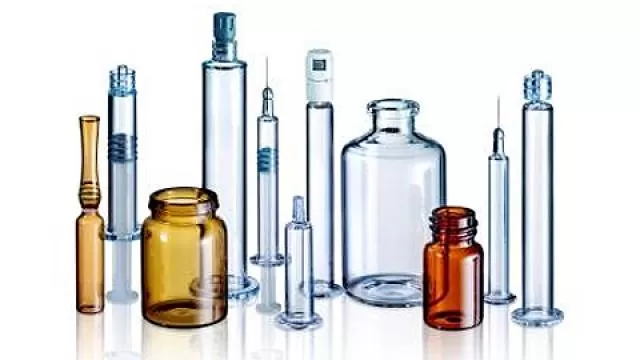
Perhaps the most significant driver of glass demand is the pharmaceutical sector. Glass remains the gold standard for drug packaging due to its inert nature—it does not react with its contents under most circumstances.
The Saudi Arabia pharmaceutical glass packaging market reached approximately US$298.55 million in 2024 and is projected to grow at a CAGR of 9.20% through 2034, reaching US$719.85 million.
Pharmaceutical expansion across Egypt, Morocco, and the UAE is spurring glass demand, delivering a +0.9% impact on CAGR forecasts.
AstraZeneca Egypt announced a US$50 million investment in pharmaceutical production in September 2024, with plans to increase output from 900 million tablets annually to 1.29 billion, directly driving demand for glass containers. The Saudi pharmaceutical market value jumped from US$5.4 billion in 2021 to US$8.5 billion in 2023, driven by a growing population and rising demand for chronic disease treatments.
In the UAE, the Ministry of Health and Prevention signed a memorandum of understanding with Jafza to develop the healthcare and pharmaceutical sector, aiming to attract more than 75 major pharmaceutical firms.
The increase in pharmaceutical firms is expected to bring more glass packaging options to the country.
The Premiumisation Wave
Beverages captured 63.38% of the Middle East and Africa glass bottles market share in 2024. Dubai’s hospitality sector, which hosts 18.8 million tourists annually with 86.5% staying in hotels, creates concentrated demand for premium beverage packaging.
Hotel industry initiatives to eliminate single-use plastic bottles, with over 50 properties having completed their transitions by May 2023, directly translate to increased glass bottle procurement.
The cosmetics and personal care segment, although smaller, is the fastest-growing end-user category, projected to grow at a CAGR of 5.73% through 2030, propelled by Gen Z’s appetite for sustainable luxury and the Gulf’s status as a global perfume capital.
The UAE’s personal care sector is experiencing steady growth, with Messe Frankfurt estimating retail prices for cosmetology products at US$2.71 billion in 2020. In February 2022, London-based skincare brand Saltee launched in the GCC exclusively at Powder, offering products in recycled glass packaging.
Manufacturing Innovation and Infrastructure
The glass comeback is being underpinned by significant manufacturing investments. Ardagh Glass Packaging-Africa completed a R 1.5 billion (US$0.08 billion) mega-project at its Nigel facility in South Africa in November 2023, igniting the N3 furnace and expanding the facility’s output by 50%, making it Africa’s largest glass container production site.
Emirates Glass installed 1.20 MWp solar rooftop systems, generating over 1,900 MWh annually and covering 19% of its energy needs, abating 1,200 tonnes of CO₂ annually.
Innovation is also coming from materials science. Verallia, the world’s third largest glass container producer, has partnered with Penn State to scale up LionGlass, a new family of glass that melts at temperatures up to 400 degrees Celsius lower than conventional glass and eliminates direct CO2 emissions by removing carbonates from the glass formula.
The new glass offers up to 10 times more crack resistance than standard glass, potentially allowing for lighter packaging and further reducing transportation-related emissions.
African Growth and Untapped Markets
Africa presents a significant opportunity for glass producers. Currently home to about 16% of the global population and projected to reach 20% by 2030, the continent boasts untapped markets where consumers face limited choices.
Nigeria’s Beta Glass posted NGN 15.2 billion pre-tax profit in Q1 2025, a 638.6% leap that propelled its share price 133% by May 2025.
South Africa, the continent’s second-largest economy, is a leading nation in container glass production with a production capacity surpassing 1 million tons annually.
The Africa segment of the glass bottles market is expected to clock a 5.56% CAGR through 2030, driven by rapid urban expansion and younger populations migrating to major cities. Statistics South Africa reported food sales from restaurants and coffee shops jumped from US$143.87 million in January 2024 to US$156.04 million in March 2024, underscoring growing demand for container glass products.
The Challenges Ahead
Despite its advantages, glass faces significant challenges. The rising preference for plastic packaging, lauded for its cost-effectiveness and lighter weight, poses a significant hurdle. Glass’ fragility results in higher freight costs and risks of breakage during transit.
Many African states struggle with cullet scarcity; South Africa’s 41% recycling rate is an outlier supported by 4,000 bottle banks.
However, manufacturing efficiency gains through advanced furnace technology and lightweighting initiatives are reshaping cost structures. Electroglass cold-top electric furnaces demonstrate thermal efficiencies exceeding 80% at a 100-tonne/day capacity, compared to traditional fuel-fired furnaces operating below 50% efficiency. These advancements are progressively narrowing the cost gap with alternative materials.
The Verdict
The glass comeback is not a return to the past; it is a sophisticated response to a changing regulatory, consumer, and healthcare landscape. For brand owners, glass offers premium positioning, infinite recyclability, and unmatched product protection.
For consumers, it delivers transparency, purity, and the reassurance of a material that has stood the test of time. For the sustainable packaging industry, it represents a diversification of the material mix that reduces dependency on problematic plastics.
The MEA glass bottles market is projected to reach 6.30 million tonnes by 2030, with the cosmetics segment growing at 5.73% CAGR, the pharmaceutical segment surging at 9.20% in Saudi Arabia alone, and the overall market expanding at 4.81%.
The question is not whether glass will survive, it always has, but whether the industry can scale production, reduce costs, and build the recycling infrastructure to make glass a truly circular solution for the region. In the packaging game, the oldest material might just be the future.
Subscribe to our email newsletters that provide busy executives like you with the latest news insights and trends from Africa and the World. SUBSCRIBE HERE

Be the first to leave a comment