

Milly Glass announces Africa’s first dedicated pharma glass plant in Kenya’s Dongo Kundu SEZ
Locally made glass packaging will also allow Kenya to recycle its own glass waste, historically exported as scrap, supporting a more circular economy.
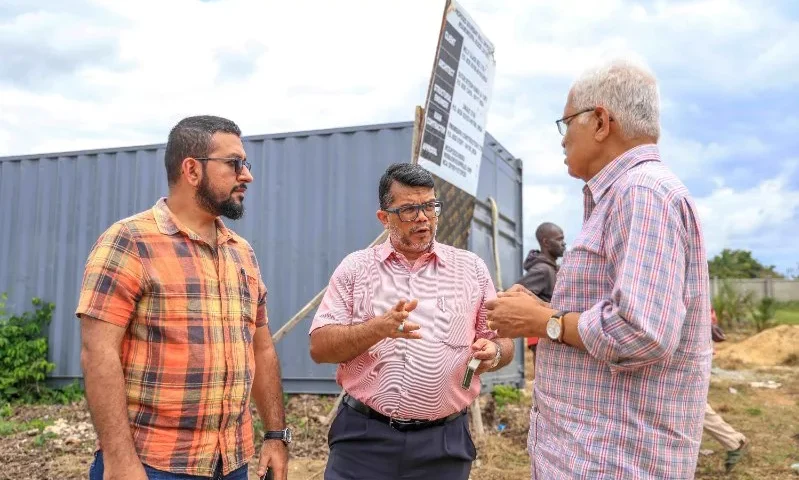
KENYA – Milly Glass SEZ has announced plans to build Africa’s first dedicated pharmaceutical glass bottle manufacturing plant at the Dongo Kundu SEZ in Mombasa, with an 80-tonne capacity to produce 300,000 amber bottles daily and reduce Kenya’s reliance on imported packaging.
The company has acquired 15 acres within the zone and expects to break ground by the end of August 2026, with production scheduled to begin in July 2027.
The facility will produce amber bottles to protect light-sensitive medicines by blocking harmful UV and visible light, as well as flint glass for other packaging applications.
Currently, all pharmaceutical bottles in Kenya are imported from India and Pakistan, with approximately 25 containers of bottles valued at KSh 60 million (US$465,000) entering the country monthly.
The plant will also serve export markets across Tanzania, Uganda, Rwanda, Burundi and the wider COMESA region.
Job Creation and Regional Impact
The facility is expected to create 300 direct jobs and 200 indirect opportunities across transport, logistics, packaging and chemical supplies, while also supporting more than 100 micro, small and medium-sized enterprises.
The project is Milly Group’s second major manufacturing investment in Kenya, following its juice processing plant in Malindi.
The company will equip the factory with state-of-the-art machinery sourced from Germany, Italy and Switzerland to meet international pharmaceutical packaging standards.
Infrastructure Challenges and Government Support
Milly Glass SEZ director Mohamed Rashid said the company cannot proceed efficiently without basic infrastructure, particularly an all-weather access road linking the factory site.
Trade and Industry CS Lee Kinyanjui said the government would ensure a proper access road is constructed within the next few weeks, adding that the Dongo Kundu area will develop into a major logistics hub serving domestic and export markets.
The investment supports Kenya’s goal of achieving pharmaceutical self-sufficiency by 2028, as the country currently imports more than 80 percent of its pharmaceutical requirements.
The availability of locally produced glass packaging will also enable recycling of glass waste generated in Kenya, which has historically been exported as scrap, contributing to a more circular economy.
Subscribe to our email newsletters that provide busy executives like you with the latest news insights and trends from Africa and the World. SUBSCRIBE HERE
Be the first to leave a comment