

South Africa mandates 100% recycled content in plastic bags by January 2027
The final phase of the 2021 amendments takes effect Jan 2027, completing the rise from 50% (2023) to 75% (2025) and now 100%.
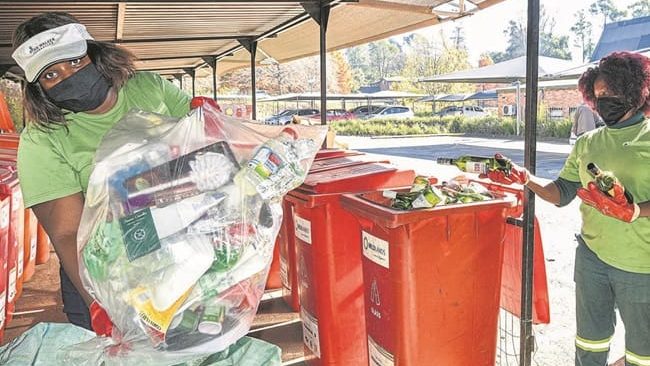
SOUTH AFRICA – South Africa’s Department of Forestry, Fisheries and the Environment has mandated that all plastic carrier bags and flat bags must contain 100 percent post-consumer recyclate from 1 January 2027, completing a phased increase from 50 percent in 2023 to 75 percent in 2025.
The regulations apply to both domestically produced and imported bags intended for use in South Africa.
The definition of post-consumer recyclate includes material generated by households, commercial, industrial or institutional facilities as end-users, as well as returns from the distribution chain and certain in-house scrap containing post-consumer recyclate.
Businesses involved in manufacturing, importing, trading or commercially distributing affected bags will need to establish whether the bags in their supply chains comply with the new requirement before the deadline.
Phased Approach and Industry Response
The requirement is the final step in a phased increase introduced by the 2021 amendments, with the minimum rising from 50 percent in January 2023 to 75 percent in January 2025, and now to 100 percent from January 2027.
Some South African businesses have already moved towards the standard. Clothing and retail group TFG has phased in plastic bags made from 100 percent post-consumer recyclate in South Africa, while Boxer Retail has confirmed its in-store plastic bags are already made from 100 percent post-consumer recyclate.
Boxer Retail also has measures in place to support the recycling of plastic and cardboard entering its stores.
These approaches illustrate the choices facing businesses ahead of 2027: continue using plastic bags while increasing the recycled content, or reduce their use by introducing reusable or alternative packaging.
Paper Packaging and Circular Economy Considerations
The Paper and Allied Manufacturers of South Africa has highlighted the role of paper packaging in the local recycling system.
PAMSA communications manager Samantha Choles stated that businesses have a role in making packaging part of a functioning circular economy, adding that South Africa has good examples of brands leading the way with packaging design and substitution while ensuring local recyclability.
For paper packaging to replace plastic, both individuals and businesses need to make them economically viable, locally recyclable and convenient for customers. The circular economy begins in the packaging design phase.
Subscribe to our email newsletters that provide busy executives like you with the latest news insights and trends from Africa and the World. SUBSCRIBE HERE


Be the first to leave a comment