

Amsterdam explores ban on single-use packaging to cut litter
According to Lian Heinhuis, Amsterdam’s alderwoman for waste and cleaning, banning disposable packaging is a realistic option—the clear aim being a litter-free city with reuse as the norm.
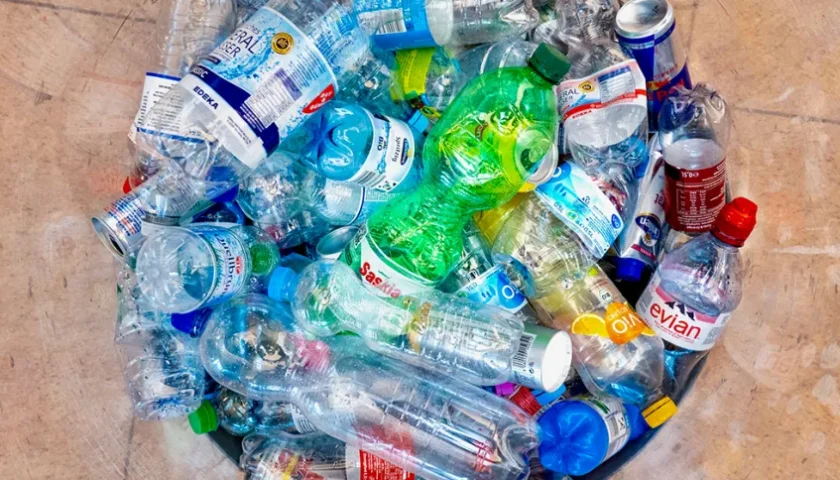
NETHERLANDS – Amsterdam is considering a ban on single-use packaging to address rising concerns over litter and encourage reusable alternatives, commissioning legal research into whether such a prohibition is legally possible.
The municipality says a ban would work in combination with other measures to reduce disposable packaging pollution, such as reusable systems.
Lian Heinhuis, Amsterdam city alderwoman for waste and cleaning, said a ban on the use of disposable packaging was a realistic option, adding that the goal was clear: a city without litter, where reuse was the norm.
The municipality has commissioned legal knowledge platform CircuLaw to research the legal feasibility of the measure.
Single-Use Packaging Dominates Litter Streams
Chloé Schwizgebel, project coordinator at the Fair Resource Foundation, a non-profit advocating for equitable use of resources, said disposable cups along with other disposable packaging were among the largest waste streams and also one of the most common items found in litter.
She noted that a ban on disposable coffee cups was the most effective measure to reduce this type of waste, adding that disposable items either ended up as litter or were incinerated or recycled into low-value products due to contamination in the waste stream.
Tourism Amplifies Disposable Packaging Volumes
Dirk Groot, founder of local environmental activist group Zwerfinator, said about 90 percent of litter in the Netherlands consisted of single-use packaging, largely from takeaway food and drink packaging.
He added that in a busy city like Amsterdam, the proportion of litter volume made up of single-use packaging was even higher because of the large number of tourists and day visitors who ate and drank while walking around the city.
Groot noted that reusable systems needed to be convenient for consumers, alongside an efficient logistics system to collect returned cups and get them back to businesses, with the municipality potentially playing a facilitating role.
Industry Lobbying Undermines Reuse Transition
Schwizgebel said reusable cups could be better for the environment than disposable alternatives, but only if part of a system in which they were used frequently.
She added that in recent years there had been confusion regarding the sustainability of reusable versus single-use cups, noting that at European and national levels this confusion was being fuelled by fast-food chains, soft drink manufacturers and players in the packaging industry.
She highlighted how members of the European Parliament had stated they had never been subjected to such intense lobbying as on the Packaging and Packaging Waste Regulation, adding that falsehoods, incorrect assumptions and industry-funded reports had eroded administrative support for the transition away from single-use packaging.
Subscribe to our email newsletters that provide busy executives like you with the latest news insights and trends from Africa and the World. SUBSCRIBE HERE
Be the first to leave a comment