

Sappi reports US$743.7M loss exceeding its own market value
The loss prompts questions over the sustainability of domestic paper production capacity and the sector’s ability to sustain supply reliability absent further consolidation or external investment.
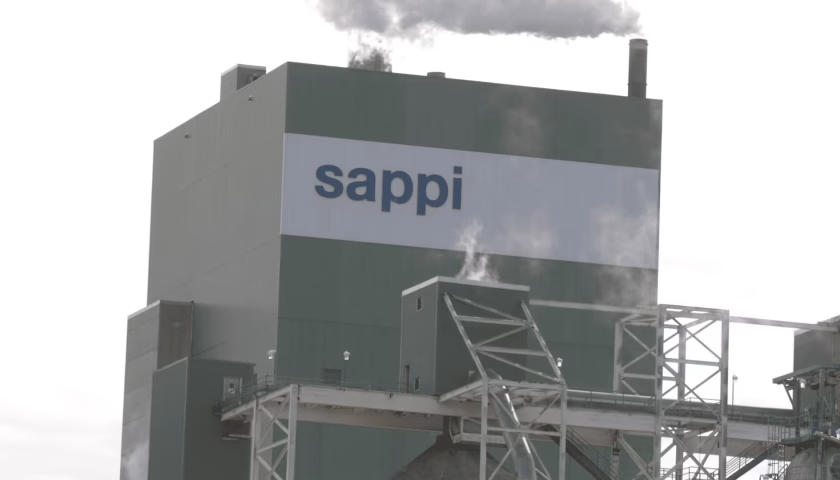
SOUTH AFRICA – Sappi has reported a loss of R12 billion (US$743.7 million), exceeding the paper and packaging producer’s own market value, as delays at its Durban operations and competition from cheap imports weighed heavily on its financial performance.
The scale of the annual loss reflects the severity of challenges facing the Johannesburg-listed group, with the reported deficit exceeding its total market value.
Such an outcome underscores the erosion of shareholder value driven by a combination of operational disruptions, pricing pressure and structural demand shifts across the paper and packaging industry.
For investors, the result signals the depth of restructuring required to restore profitability and stabilise the balance sheet.
Durban Facility Delays Disrupt Production
Delays at the company’s Durban operations contributed significantly to the poor performance.
Manufacturing disruptions at major facilities reduce output, raise unit costs and undermine the company’s ability to meet customer delivery schedules.
For packaging converters relying on Sappi for paperboard and specialty papers, production delays can cascade through supply chains, forcing them to seek alternative suppliers or absorb delays in their own operations.
Sappi has previously flagged infrastructure constraints and logistical bottlenecks affecting its South African mills.
Cheap Imports Erode Domestic Market Share
Competition from inexpensive imported paper and packaging products has compounded the company’s difficulties.
South African producers have long argued that imports from lower-cost regions undercut domestic manufacturing, particularly in segments such as uncoated paper, newsprint and packaging board.
Despite earlier efforts by manufacturers to secure tariff protection, including a request for duties on imported paper products, regulatory decisions have not fully addressed the competitive imbalance.
The volume of low-priced imports places downward pressure on selling prices, squeezing margins and reducing market share for domestic producers.
Sector Faces Structural Transformation
Sappi’s results reflect broader structural challenges across the global paper industry, where declining demand for graphic paper, rising energy and raw material costs, and the need to transition toward packaging and specialty products create significant operational and financial risks.
The company has been shifting investment toward dissolving pulp and packaging grades, but those transitions require substantial capital expenditure at a time when profitability is under severe strain.
For South Africa’s packaging sector, Sappi’s financial position matters beyond its own operations, as the company supplies paperboard and specialty materials to converters, printers and brand owners across the region.
The loss raises questions about the sustainability of domestic paper production capacity and the sector’s ability to maintain supply reliability without further consolidation or external investment.
Subscribe to our email newsletters that provide busy executives like you with the latest news insights and trends from Africa and the World. SUBSCRIBE HERE
Be the first to leave a comment