

Brazil’s 590% aluminium scrap export surge to China squeezes domestic recycling as Novelis closes collection centre
Tighter scrap supply has already hit local producers, Novelis, Brazil’s top aluminium recycler, closed its Juiz de Fora collection centre last year due to material shortages.
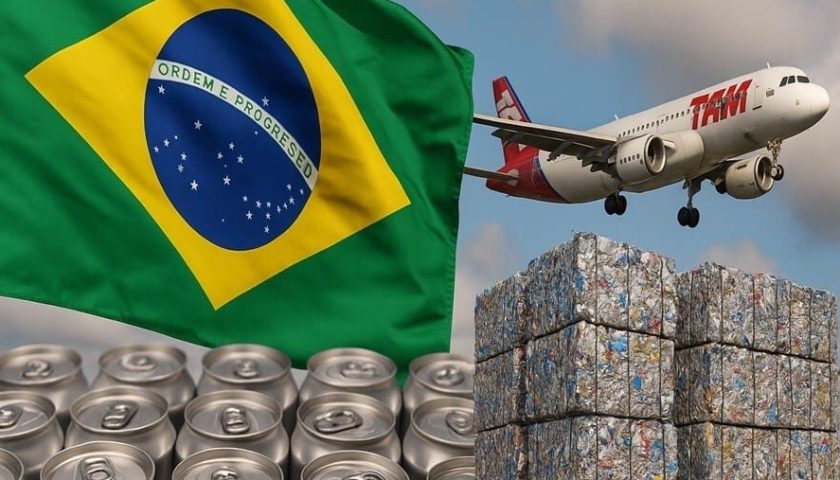
BRAZIL – Brazil’s aluminium scrap exports to China have surged 590 percent since 2022, with China now accounting for nearly one-quarter of total scrap shipments, prompting Novelis to close a collection centre and raising concerns over domestic recycling capacity.
According to the Brazilian Aluminium Association (Abal), around 80 percent of Brazil’s aluminium scrap exports are now shipped to Asia.
The tighter scrap supply has already affected local producers, with Novelis, Brazil’s largest aluminium recycler, closing its scrap collection centre in Juiz de Fora, Minas Gerais, last year due to lack of available material.
Another recycler, Alumini1, said it temporarily struggled to source scrap after suppliers shifted sales to export markets.
Recycled Aluminium’s Strategic Role and Domestic Supply Concerns
Aluminium recycling plays a key role in reducing emissions, with recycled aluminium requiring up to 95 per cent less energy than primary production.
However, Brazilian producers say increasing exports of aluminium scrap are making it more difficult to secure raw materials for domestic recycling.
Novelis said its aluminium sheet products currently contain around 80 per cent recycled content, but the recycling rate could move closer to 100 per cent if more scrap remained in the domestic market.
The country recycled 97.3 per cent of its aluminium beverage cans in 2024, equivalent to nearly 34 billion cans or more than 400,000 tonnes.
Industry Calls for Export Controls and Strategic Retention
Eunice Lima, Communications and Government Relations Director at Novelis South America, said, “We understand that this is negatively affecting local producers and transferring sustainability and competitiveness to other countries”.
Abal argues that exporting increasing volumes of scrap is transferring both competitiveness and sustainability benefits to overseas producers instead of supporting value-added aluminium manufacturing within Brazil.
Professor Marco Antonio Rocha of the University of Campinas noted that there is now a global dispute for scrap, stating, “we need to discuss whether we want to export this strategic resource in raw form or keep it and process it here”.
Janaina Donas, Abal’s Executive President, warned that “otherwise, the investment ends up decarbonising another country”.
The International Aluminium Institute expects global aluminium demand to increase by around 40 per cent between 2020 and 2030, driven by renewable energy, electricity networks and electric vehicles.
Subscribe to our email newsletters that provide busy executives like you with the latest news insights and trends from Africa and the World. SUBSCRIBE HERE
Be the first to leave a comment