

EU new packaging, recycling rules target 15% waste cut by 2040 with PFAS bans, labelling overhaul
PFAS limits and traceability are now in force, while broader measures, including new waste-sorting labels and deposit-return schemes, will roll out by 2030.
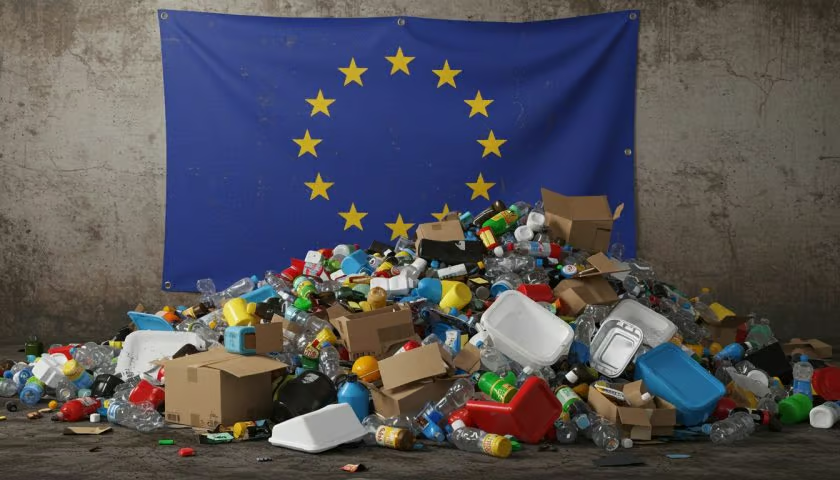
EUROPE – The European Union has introduced new packaging and recycling rules that restrict PFAS “forever chemicals” in food-contact packaging and set binding targets of 5 percent waste reduction by 2030 and 15 percent by 2040, with broader traceability and deposit-return measures phased in by 2030.
The rules, taking effect today, come as Europeans generate around 180 kg of packaging waste per person each year, including 35.3 kg of fossil-fuel-derived plastic, of which only 42 percent was recycled in 2023.
Packaging waste has increased by more than 20 percent over the past decade, driven partly by online shopping and takeaway consumption.
The new measures also affect printing and labelling requirements, as packaging must carry improved sorting information to guide consumers on proper disposal.
PFAS Limits and Immediate Compliance Requirements
The new measures introduce immediate restrictions on PFAS in food-contact packaging, while also requiring packaging to be economically recyclable, introducing reuse targets, and restricting some single-use formats.
PFAS limits and traceability requirements are now in effect, while broader measures, including new waste-sorting labels and deposit-return schemes, will be phased in by 2030.
The PFAS restrictions respond to growing health concerns about the persistence of these chemicals in the environment and their potential accumulation in the human body through food contact materials.
The labelling requirements will necessitate changes to printing processes and materials used for packaging information.
Waste Reduction Targets and Recycling Infrastructure
The rules target a 5 percent reduction in packaging waste by 2030 and 15 percent by 2040, compared with 2018 levels.
To achieve these goals, member states will need to expand collection infrastructure, improve sorting technologies, and increase the use of recycled content in new packaging.
The 42 percent recycling rate for plastic packaging in 2023 highlights the scale of the challenge ahead, with the new rules intended to accelerate investment in recycling capacity across the EU.
The phase-in of waste-sorting labels and deposit-return schemes by 2030 will help harmonize collection systems across member states, improving the quality and quantity of recyclable materials recovered.
The impact of the new rules will depend on how effectively member states implement the measures and whether the packaging industry can innovate to meet the new requirements while maintaining cost competitiveness in global markets.
Subscribe to our email newsletters that provide busy executives like you with the latest news insights and trends from Africa and the World. SUBSCRIBE HERE
Be the first to leave a comment