

Kraft paper price hikes threaten 30,000 corrugated packaging MSMEs
Kraft paper prices have jumped roughly 25–30% in less than two months, and high-BF kraft has risen further, per the association, compounding cost pressures on manufacturers with thin margins.
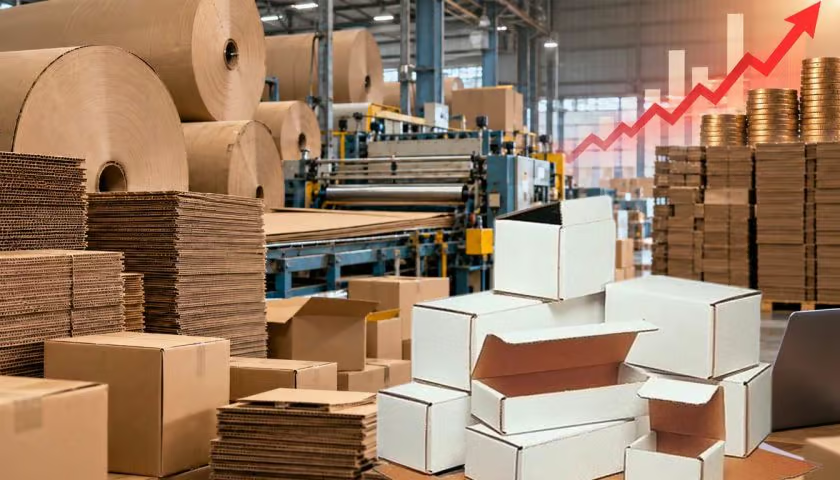
INDIA – Kraft paper mills have raised prices by 25 to 30 percent in less than two months, placing an estimated 30,000 corrugated packaging MSMEs under financial pressure and prompting the Uttar Pradesh Corrugated Box Manufacturers Association to seek GST Council intervention.
According to the association, kraft paper prices have increased by around 25 to 30 percent in less than two months, while prices of high-BF kraft paper have risen further.
The repeated hikes have added to the cost burden of manufacturers operating on thin margins.
The increases arrive ahead of the festive season, a period typically generating peak demand for corrugated boxes across food, e-commerce and consumer goods packaging.
GST Structure Creates Estimated 13 Percent Additional Burden
The association said disparities in the GST structure and rising raw material costs have created an estimated 13 percent additional burden on the industry, affecting more than 30,000 MSMEs and over 10 lakh jobs.
It noted that GST on corrugated boxes was reduced from 12 percent to 5 percent, while the tax rate on kraft paper, a key input, was increased from 12 percent.
This inversion means manufacturers pay higher tax on inputs than they charge on finished goods, compounding margin pressure.
Working Capital Gap Widens as Supplier Terms Tighten
The industry is also facing a widening working-capital gap. While kraft paper suppliers previously offered credit periods of 30 to 60 days, many are now seeking payment within seven days.
In contrast, corrugated box manufacturers often receive payments from customers after several months.
The mismatch forces MSMEs to fund operations from limited reserves or costly short-term borrowing.
Association Warns of Viability Threat Across Sector
The association has urged the GST Council to intervene, warning that the combined impact of higher input costs, outstanding liabilities, credit constraints and bank loan obligations could threaten the viability of thousands of MSMEs.
For packaging buyers, including FMCG brands and e-commerce fulfilment operators, sustained pressure on corrugated suppliers may translate into higher box prices, extended lead times or reduced supplier capacity during peak periods.
The situation reflects broader volatility in India’s paper packaging supply chain, where raw material cost swings and tax structure misalignments disproportionately affect smaller converters lacking pricing power or access to affordable credit.
Subscribe to our email newsletters that provide busy executives like you with the latest news insights and trends from Africa and the World. SUBSCRIBE HERE

Be the first to leave a comment