

Ranchi’s seven new US$42,000 recycling micro-enterprises set to process 20T daily
The decentralised model reduces transportation costs and carbon emissions associated with centralised processing facilities while creating economic opportunities at the neighbourhood level.
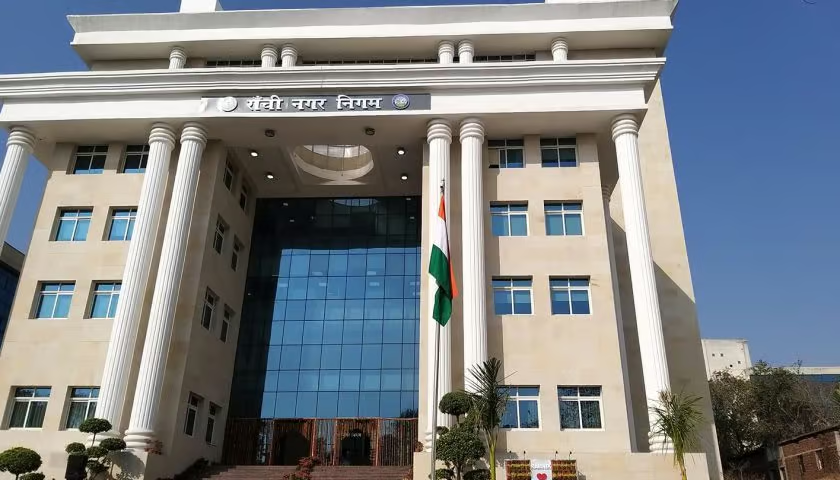
INDIA – The Ranchi Municipal Corporation has approved the establishment of seven decentralised recycling micro-enterprises at a total cost of ₹2.45 crore (US$293,000), with each unit processing 20 tonnes of waste daily to generate over 500 jobs across the city.
The initiative, announced on 14 August 2026, will see each micro-enterprise established at a cost of ₹35 lakh (US$42,000), with the municipal corporation providing land, building and machinery under a public-private partnership model.
The units will be located across seven different zones of the city to ensure efficient waste collection and processing, with the corporation inviting applications from self-help groups and entrepreneurs to operate the facilities.
Decentralised Recycling Model and Job Creation
The micro-enterprises will process dry waste collected from households, including paper, plastic, glass and metals, converting it into recyclable materials for sale to downstream recyclers and manufacturers.
The initiative is expected to generate employment for over 500 people, including waste pickers, sorters, operators and administrative staff, with the corporation providing training and technical support to ensure efficient operations.
The decentralised model reduces transportation costs and carbon emissions associated with centralised processing facilities while creating economic opportunities at the neighbourhood level.
Waste Management Challenges and RMC’s Broader Strategy
Ranchi generates approximately 450 tonnes of solid waste daily, with only about 50 percent currently being processed through formal recycling channels, leaving significant room for improvement in the city’s waste management infrastructure.
The micro-enterprise initiative forms part of the RMC’s broader strategy to achieve 80 percent waste processing and 50 percent recycling by 2030, with the corporation also planning to introduce source segregation at the household level and expand door-to-door collection services.
By creating a network of decentralised recycling units, the RMC aims to reduce the burden on the city’s existing landfill sites, extend their lifespan, and create a more resilient and sustainable waste management system that can adapt to the city’s growing population and changing waste composition.
Subscribe to our email newsletters that provide busy executives like you with the latest news insights and trends from Africa and the World. SUBSCRIBE HERE

Be the first to leave a comment