

US$2.3B aluminium scrap value locked as weak markets hinder sorting: WBCSD
Beyond technology, the value chain is misaligned, collectors can’t see manufacturer needs, recyclers face uncertain demand, and manufacturers lack sufficient traceable secondary aluminium.
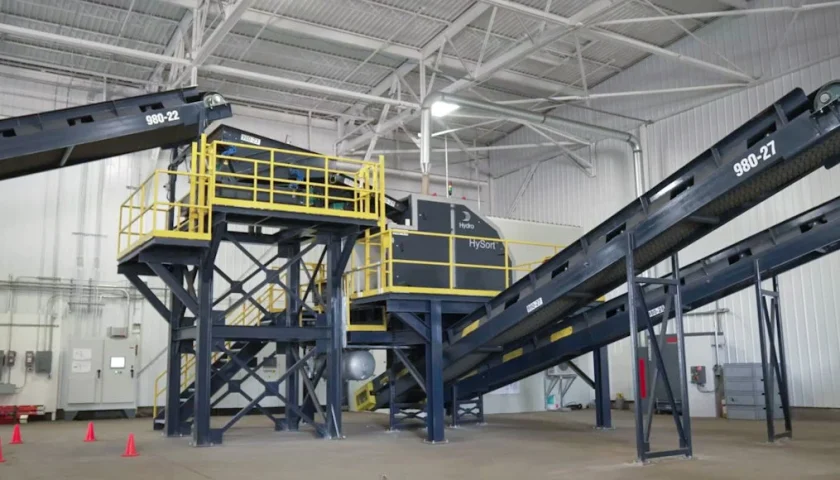
NORTH AMERICA – The World Business Council for Sustainable Development has found that advanced sorting technologies for aluminium scrap are available, but weak domestic markets for recovered grades are limiting investment in automated infrastructure, with approximately US$1.9 to US$2.3 billion in annual value locked in mixed grades currently shipped to Asia.
The study, conducted through WBCSD’s North America Aluminum Initiative, examined whether technologies such as X-ray transmission (XRT) and laser-induced breakdown spectroscopy (LIBS) could transform mixed aluminium scrap into higher-quality, grade-specific secondary metal.
However, the organisation concluded that technology is only part of the equation, with approximately 71 percent of recovered aluminium grades outside the 3000 series remaining mixed and downcycled.
The challenge is not solely one of technology, but of a misaligned value chain where collectors have limited visibility into manufacturers’ material requirements, recyclers face uncertainty over future demand, and manufacturers struggle to secure traceable grade-specific secondary aluminium in sufficient volumes.
Sorting Technologies and Investment Barriers
Advanced sorting systems can separate shredded aluminium scrap into more defined alloy streams, with XRT distinguishing materials based on X-ray absorption characteristics while LIBS uses laser spectroscopy to identify elemental composition.
However, WBCSD argues that installing the technology alone will not guarantee greater domestic consumption, as sorted material must be qualified, marketed and processed at scale.
The study found that 3000 series aluminium has stronger domestic melt-shop consumption, while other grades have greater difficulty finding suitable domestic outlets.
The estimate assumes around US$150 million in investment in advanced sorting infrastructure, though subject to market assumptions.
Market Implications and Broader Relevance
Further processing in the US of zorba, a mixed recycled metal grade currently shipped to Asia, could unlock approximately US$1.9 to US$2.3 billion in annual value.
Unlocking this value will require feedstock access, processing capacity, downstream demand, material qualification and investment incentives to work together.
The organisation noted the lessons could also have relevance beyond North American aluminium recycling, including in fast-evolving aluminium markets such as India.
Similar value-chain challenges exist in other materials, including mixed copper scrap and certain end-of-life electronics streams.
Subscribe to our email newsletters that provide busy executives like you with the latest news insights and trends from Africa and the World. SUBSCRIBE HERE

Be the first to leave a comment