

Norway seeks exemptions from EU plastic packaging ban for vegetables
Norwegian exemptions hinge on national shelf-life/distribution interpretation, demonstrable protection needs qualify; viable alternatives face full restrictions.
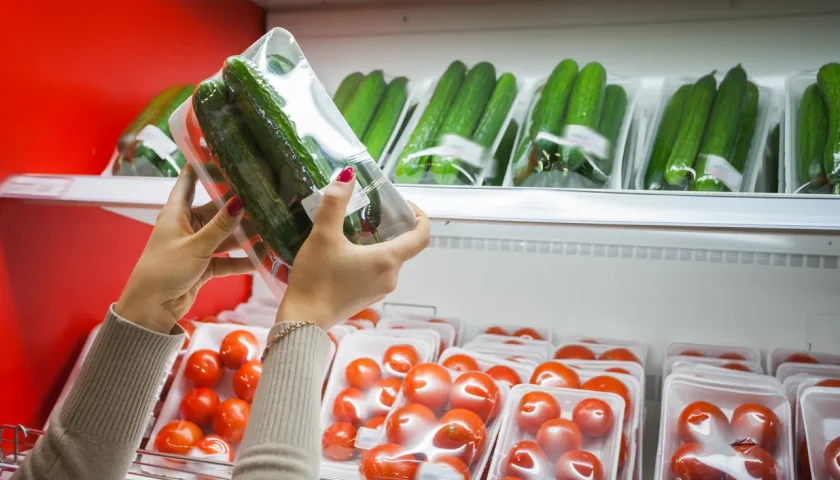
NORWAY – Norway is seeking exemptions from the EU’s single-use plastic packaging ban for fresh produce, with implementation into Norwegian law scheduled for spring 2027 and compliance required by 2030, as supplier Bama warns of shelf-life losses and distribution challenges.
The EU packaging regulation, which came into force on 12 August, prohibits single-use plastic packaging for fresh fruit and vegetables weighing less than 1.5 kilograms.
The restrictions cover plastic wrapping used for cucumbers, lettuce and bell peppers, although national exemptions may be permitted.
Cucumber Shelf Life Falls by Eleven Days Without Film
Erik Hanseid, director of Bama Packaging, said research conducted with Nofima found that removing plastic film reduces cucumber shelf life by eleven days.
Bell peppers and lettuce also face challenges during long-distance transport without suitable packaging.
Bama is working with industry representatives and authorities to identify packaging alternatives and document their effects on fresh produce.
Hanseid said cucumbers, bell peppers and lettuce should qualify for exemptions based on their shelf-life requirements.
Northern Norway Distances Compound Packaging Loss
Norwegian fresh produce supplier Bama has raised concerns about the impact on shelf life and distribution, particularly in Northern Norway, where transport distances are longer.
Extended transit times mean produce already spends additional days moving through the supply chain before reaching retailers, leaving less margin before quality deteriorates.
Removing protective film in those conditions accelerates spoilage further, making replacement packaging or exemptions commercially necessary.
Food Waste Risk Offsets Plastic Reduction Benefits
The company warns that removing plastic packaging could increase food waste, potentially offsetting the environmental benefits of reduced plastic consumption.
That argument echoes broader debate around packaging’s role in protecting products, where thin plastic films extend shelf life and reduce spoilage at the cost of generating persistent waste.
The regulation forms part of the EU’s Circular Economy Action Plan, which aims to reduce packaging waste by five percent by 2030.
Exemption Process Determines Norwegian Outcome
Whether Norwegian producers secure exemptions depends on how national authorities interpret the shelf-life and distribution criteria embedded in the regulation.
Produce categories with demonstrable protection requirements may qualify, while those where alternatives prove viable are likely to face the full restrictions.
Norway’s implementation timeline gives industry until spring 2027 to prepare, though compliance obligations extend to 2030.
Subscribe to our email newsletters that provide busy executives like you with the latest news insights and trends from Africa and the World. SUBSCRIBE HERE

Be the first to leave a comment