

Aluminium cost pressure increases diet coke can costs by 40% in urban India
A mismatch between printed MRP and shelf prices suggests distributors are passing on costs the manufacturer hasn’t formally built into packaging updates.
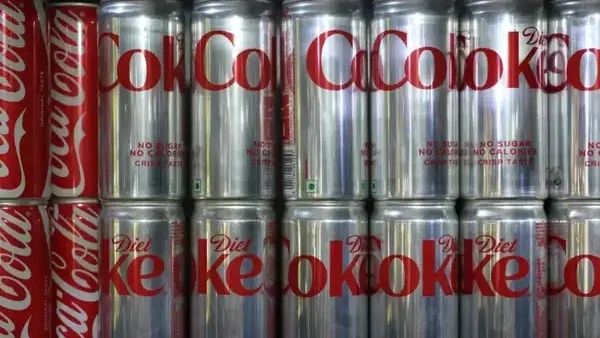
INDIA – Retailers and bottlers in major Indian cities have pushed 330ml Diet Coke cans to ₹70 (US$0.74) in October 2026, a 40 percent increase that places shelf prices well above the maximum retail price printed on the packaging itself.
The gap between printed maximum retail price and actual shelf pricing signals that distribution partners are passing through costs the manufacturer has not formally acknowledged in packaging revisions.
When aluminium and can supply costs climb faster than labels can be reprinted, bottlers often adjust channel pricing informally, leaving consumers to absorb the difference at the point of purchase.
Can Stock Costs Track Global Metal Markets
Aluminium cans account for a substantial portion of packaged beverage costs, and international metal prices feed directly into procurement terms for can manufacturers.
Energy expenses, freight rates and constrained global supply have combined to lift aluminium prices through 2026, transmitting pressure along the supply chain to bottlers and ultimately to retail shelves.
Indian can producers have also contended with limited domestic rolling capacity, extending lead times and reducing negotiating flexibility for buyers.
Soft Drink Margins Leave Little Absorption Room
Carbonated beverages operate on narrow retail margins, limiting the extent to which packaging cost increases can be absorbed without price adjustment.
Beverage companies have responded through pack downsizing, shifting packaging mixes where feasible and renegotiating channel terms.
Cans retain advantages in portability, rapid chilling and recyclability, but their cost position relative to PET bottles weakens as aluminium prices rise.
Recycled Metal Could Ease Long-Term Volatility
Recycled aluminium demands far less energy than primary production and can be reprocessed repeatedly without material degradation.
Building domestic recycling capacity would reduce India’s dependence on imported primary metal and could moderate price swings over time, though collection networks and sorting infrastructure remain constraints.
Higher recycled content also supports brand sustainability targets while lowering exposure to primary metal markets.
The ₹70 price point illustrates how packaging material markets transmit cost pressure directly to consumers even when headline product pricing is nominally fixed.
Whether that level persists depends on aluminium market conditions and bottlers’ success in renegotiating supply agreements over coming quarters.
Subscribe to our email newsletters that provide busy executives like you with the latest news insights and trends from Africa and the World. SUBSCRIBE HERE

Be the first to leave a comment