
Islamabad retailers face sealing as CDA enforces PET bottle ban
Observers: abrupt restrictions inconsistent with ICT Single-Use Plastics Regulations 2023, which already provide EPR/circular economy foundation.
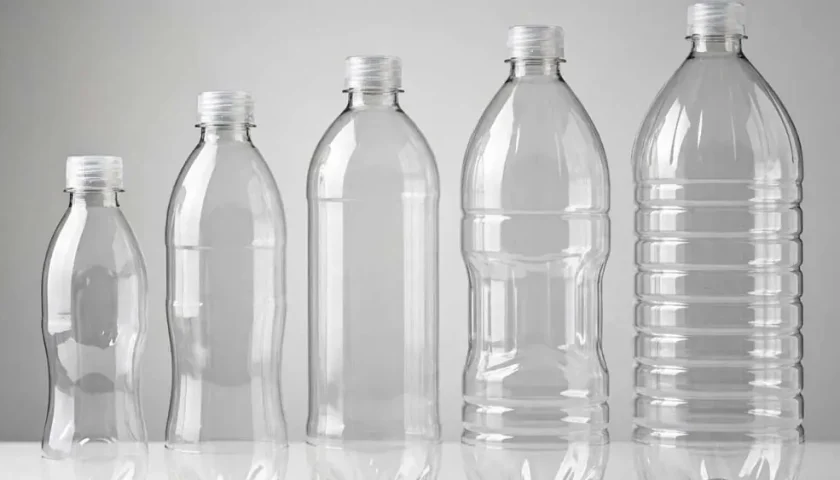
PAKISTAN – Islamabad’s local administration began sealing retail outlets on 12 October 2026 after the Capital Development Authority issued instructions to discontinue the sale of products packaged in PET bottles, without prior notification or published regulation.
The sequence of events began on 3 October 2026, when the CDA and Islamabad administration launched the Plastic-Free Islamabad initiative under directions from Interior Minister Mohsin Naqvi and CDA Chairman Sohail Ashraf.
On 11 October, the district administration announced an expanded crackdown on single-use plastic bottles to begin the following day, adding to ongoing action against polythene bags.
By 13 October, retailers reported that verbal instructions had been issued through the Office of the Chief Commissioner and Chairman of the CDA, and that enforcement teams had started sealing outlets from the previous night.
Verbal Orders and Sealing Mark Implementation
The decision was implemented without issuance of any warning or notification, according to affected businesses.
Local administrative authorities commenced enforcement actions including the sealing of several retail outlets across the city.
Retailers and fast-moving consumer goods companies expressed confusion over the forced decision to immediately discontinue sale of products packaged in PET bottles at shops operating within the Islamabad Capital Territory.
Industry Groups Seek Withdrawal Through Formal Channels
The Overseas Investors Chamber of Commerce and Industry urged the government to withdraw the ban, writing to Interior Minister Mohsin Naqvi to argue that a blanket prohibition could undermine existing recycling operations, increase environmental costs and negatively affect businesses.
The CoRe Alliance sought intervention from the Board of Investment to withdraw the proposed ban, ensure effective enforcement of the ICT Single-Use Plastics Regulations 2023, and maintain a predictable, investment-friendly regulatory environment.
Both organisations called for strengthened waste collection, segregation and recycling systems through producer-funded mechanisms and measurable recovery targets, rather than a blanket ban on recyclable PET packaging.
PET Recycling Value Chain at Risk
Industry representatives highlighted that PET is a lightweight, food-grade and fully recyclable material supported by an established collection and processing value chain in Pakistan.
Post-consumer PET bottles carry significant commercial value and are actively collected, sorted and repurposed into synthetic fibres, new packaging materials and recycled bottles.
The ban threatened to dismantle this ecosystem, risking livelihoods across the waste collection, sorting and processing sectors.
Industry observers noted the abrupt restrictions appeared inconsistent with the spirit and objectives of the ICT Single-Use Plastics (Prohibition) Regulations 2023, which already provide a regulatory foundation for addressing plastic pollution through extended producer responsibility and circular economy principles.
Subscribe to our email newsletters that provide busy executives like you with the latest news insights and trends from Africa and the World. SUBSCRIBE HERE

Be the first to leave a comment