
Mars, Veolia, Imperial College target packaging data gaps with 2050 forecasts
Aiming to provide brands factual evidence for precise decision-making, the partnership moves beyond one-size-fits-all global packaging strategies.
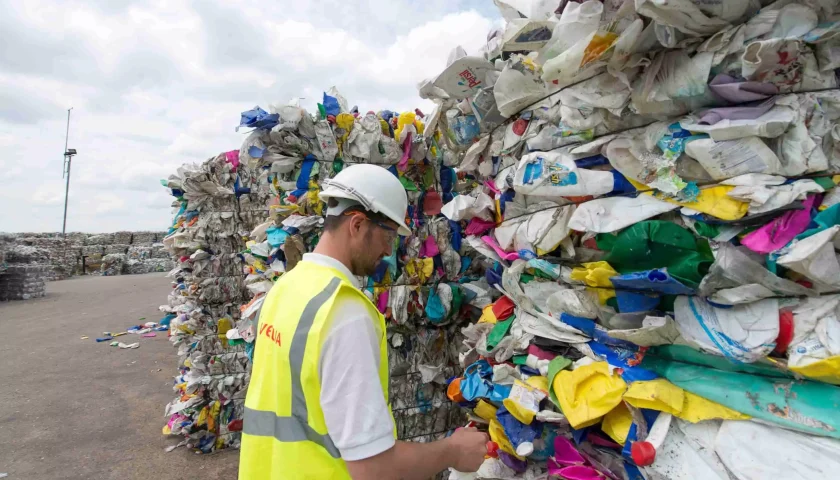
GLOBAL – A new research alliance between Mars, Veolia, and Imperial College London will map the fate of packaging waste across more than 70 countries, moving beyond broad national averages to track exactly how specific materials are recycled, landfilled, or leaked into nature.
The project, initiated via a letter of intent between Veolia’s CIRCPACK and the university, goes beyond current reporting standards.
Existing data often lumps all plastics together, obscuring whether a package was buried in a landfill or lost to the environment.
The study will integrate CIRCPACK’s highly specific recycling rates with an updated version of Imperial’s SPOT modelling tool.
Researchers will establish a 2025 baseline and project material-specific outcomes through 2050 under three different socio-economic scenarios, with results expected in the second quarter of 2027.
Granular Data Highlights Format Vulnerability
CIRCPACK’s database currently tracks 13 distinct material categories, separating glass, steel, aluminium, and paper from seven specific plastic formats.
It differentiates between clear and coloured PET, rigid versus flexible PE and PP, and bottles versus other containers.
This level of detail demonstrates that a package’s end-of-life fate is heavily dictated by its physical design and local sorting infrastructure, rather than just the material type.
The study will merge this ground-level intelligence with the academic modelling of Dr. Costas Velis’ lab to reveal where specific formats fail in the recovery chain.
Industry Partnership Aims for Actionable Local Policy
Mars is participating as a strategic partner, not just a funder.
The company will help shape the research questions and translate the complex data into actionable steps for businesses and policymakers.
Feliks Bezati, Mars’ Global Circular Packaging Director, emphasized that solving global waste challenges requires a local understanding of each country’s waste management performance.
This partnership aims to provide brands with the factual evidence needed to make precise decisions, moving away from one-size-fits-all global packaging strategies.
Broader Corporate Push for Circular Solutions
The study aligns with wider corporate efforts to overhaul packaging sustainability. Mars is also a founding member of the Ellen MacArthur Foundation’s PaperFlex Consortium, which is exploring recyclable and biodegradable paper-based flexible packaging.
Meanwhile, Veolia continues to expand its environmental infrastructure, recently announcing a project to capture and store 370,000 tonnes of CO2 annually at an energy-from-waste facility in the UK, expected to become a negative emitter by 2029.
The combined focus reflects a growing recognition that packaging design, waste infrastructure, and carbon reduction are deeply interconnected.
Subscribe to our email newsletters that provide busy executives like you with the latest news insights and trends from Africa and the World. SUBSCRIBE HERE
Be the first to leave a comment