

Global
-
FMCG giants form consortium to replace flexible plastics with paper packaging
Backed by France’s (Re)Set, the PaperFlex Consortium targets paper alternatives to flexible plastics and stronger collection/recycling to keep plastics out of landfill, while FMCG partners fund bio-based material trials.
-
Alliance to End Plastic Waste cuts 138,000T through circularity programs
Each Country Program, in Brazil, the GCC, India, Indonesia, and South Africa, addresses key collection, sorting, and recycling infrastructure gaps aligned with national goals, backed by at least $100M in co-financing.
-
Market Research Future projects Nonwoven Packaging to reach US$88.7B by 2035
Sustainability shapes the industry: consumers fret over packaging waste, businesses seek green materials, and nonwoven packaging made from natural, recycled, or biodegradable fibres fills gaps where conventional options hurt the environment.
-
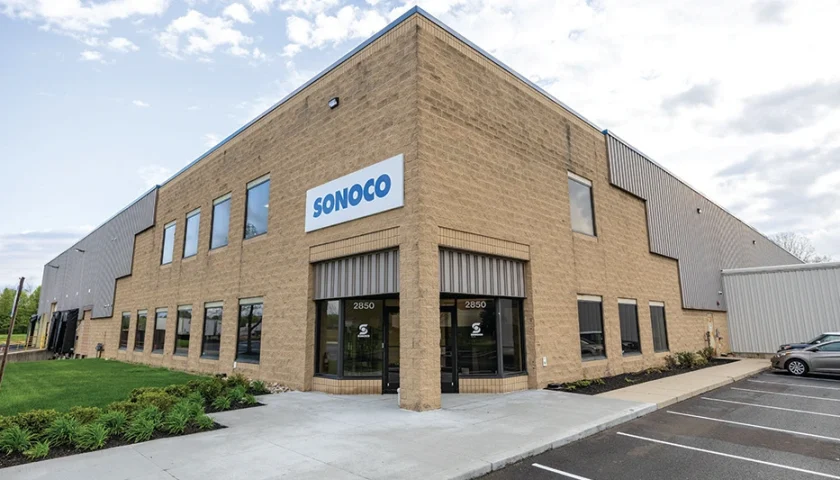
Sonoco’s Q2 packaging profit rises as industrial segment’s 95% recycling mill utilisation offsets 1% sales dip
Sonoco reaffirmed its full-year 2026 guidance of US$7.25-7.75 billion in net sales, US$1.25-1.35 billion in adjusted EBITDA, and US$5.80-6.20 in adjusted EPS.
-
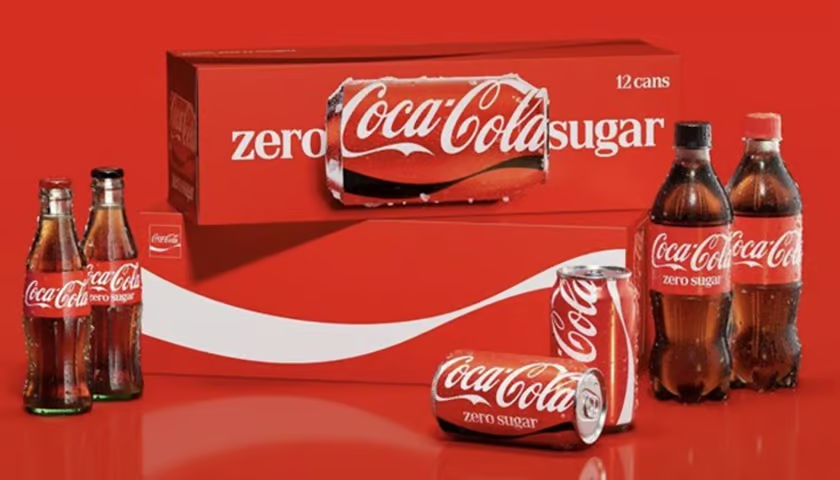
Coca-Cola unveils refreshed global visual identity to strengthen brand consistency
Packaging redesign reinforces iconic brand assets while introducing updated visual cues for Coca-Cola Zero Sugar.
-
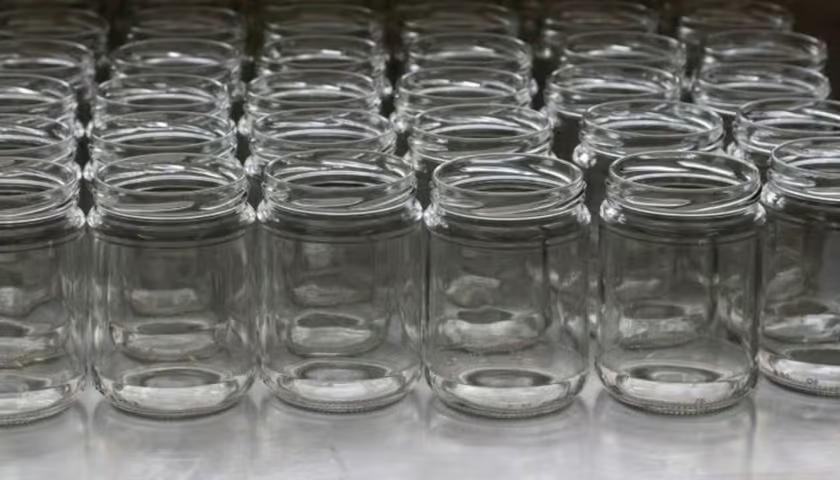
ResponsibleGlass launches consultation on global sustainability standard for glassmaking
Industry body seeks stakeholder input on draft standard covering responsible sourcing, emissions, circularity and social governance.
-
New FSSC 22000 V7 packaging rules link 40,000 certified firms to global food waste reduction
The design principles included in V7 were developed by the AIP and globalised by the WPO, and apply to all certified organisations involved in the design of primary packaging and packaging materials.
-

Fibre-based food packaging to claim 42% market share by 2045 as barrier innovations reshape industry: UPM
The findings underscore the urgency of accelerating innovation and development globally as fibre-based packaging moves from an alternative to a mainstream packaging solution for food applications.
-
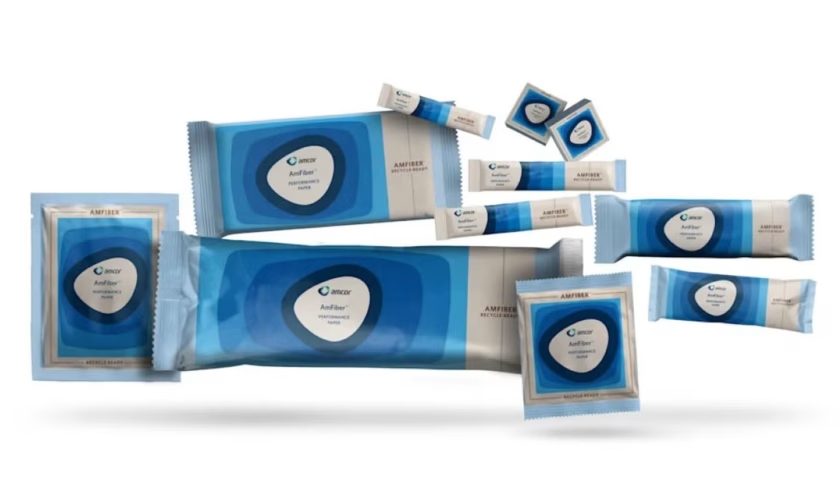
Amcor explores Kelpi’s seaweed-based coating technology for AmFiber fibre packaging platform
The ultra-thin barrier layer, applied at just 0.01mm thickness, is engineered to provide excellent water and oxygen resistance while remaining fully recyclable and biodegradable.
-

Greif announces US$60/T price hike on recycled paperboard buyers
Greif explained that the paperboard increase reflects swollen raw material and freight bills paired with rising buyer demand.