

Pakistan’s DRAP mandates 2D pharma barcode system for smartphone-verifiable packaging
Once operational, consumers will be able to verify medicine authenticity by scanning the 2D barcode with a smartphone, accessing product information including expiry date, usage instructions, and official retail price.
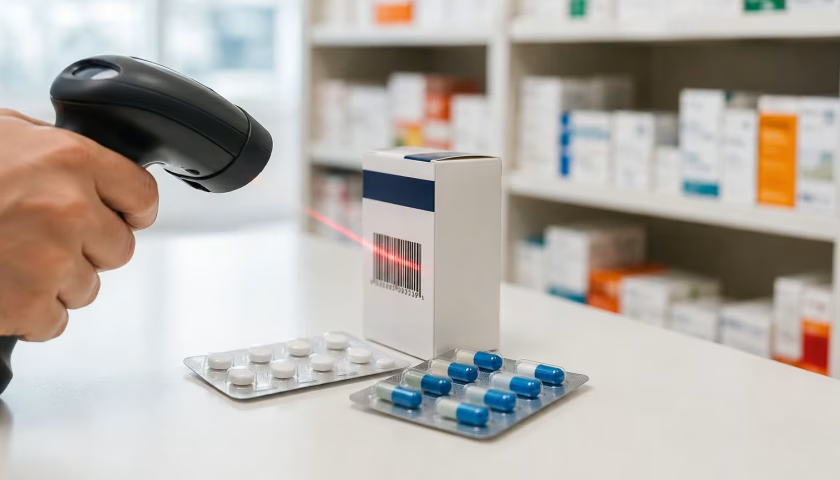
PAKISTAN – Pakistan’s Drug Regulatory Authority has set October 9, 2026 as the deadline for mandatory 2D barcode and serialization on all human and veterinary medicine packaging, enabling consumers to verify authenticity and expiry dates by smartphone scan.
The federal cabinet approved the nationwide Pharma Track and Trace System through amendments to the Drugs Labelling and Packing Rules, 1978.
Under the new framework, all pharmaceutical manufacturers and importers must print a unique 2D Data Matrix barcode with serialization data on every medicine pack at the secondary packaging level.
The system will apply to both human and veterinary pharmaceutical products across Pakistan, with DRAP overseeing nationwide implementation.
How 2D Barcode and Serialization Enable End-to-End Medicine Traceability
The serialization system assigns a unique random alphanumeric number (12-20 characters) to each pack, encoded in a GS1 Data Matrix barcode alongside product GTIN, batch number, and expiry date.
This enables regulators to monitor medicines from production to consumption, helping identify and eliminate counterfeit products from the market.
DRAP has issued directives to pharmaceutical companies and notified the Pakistan Pharmaceutical Manufacturers Association, Pakistan Veterinary Pharmaceutical Association, Pharma Bureau, provincial drug controllers and chief drug inspectors.
Companies must complete all necessary preparations before the October 9 deadline to ensure full compliance.
What Smartphone Verification and Stakeholder Consultations Mean for Drug Safety
Once operational, consumers will be able to verify medicine authenticity by scanning the 2D barcode with a smartphone, accessing product information including expiry date, usage instructions, and official retail price.
DRAP has already completed consultations with all key stakeholders ahead of the nationwide rollout to ensure a smooth transition.
The system, a first for Pakistan, establishes a strong barrier against counterfeit medicines and protects public health, lives and trust.
The adoption positions Pakistan among leading regional countries in pharmaceutical regulation and oversight. Health Minister Mustafa Kamal stated that the system would reduce patients’ difficulties and eliminate counterfeit drugs from the market.
Federal Health Secretary Nadeem Mahbub emphasized that the track and trace system is a significant step toward achieving transparency in the pharmaceutical supply chain and ensures patients have access to safe medicines.
Subscribe to our email newsletters that provide busy executives like you with the latest news insights and trends from Africa and the World. SUBSCRIBE HERE


Be the first to leave a comment