

Pakistan’s import paper duty cuts take effect under 2026-27 budget, enhancing printing, packaging sectors
The reduction in duties on paper and paperboard will help reduce input costs for printers and packaging manufacturers, improving their competitiveness in both domestic and export markets.
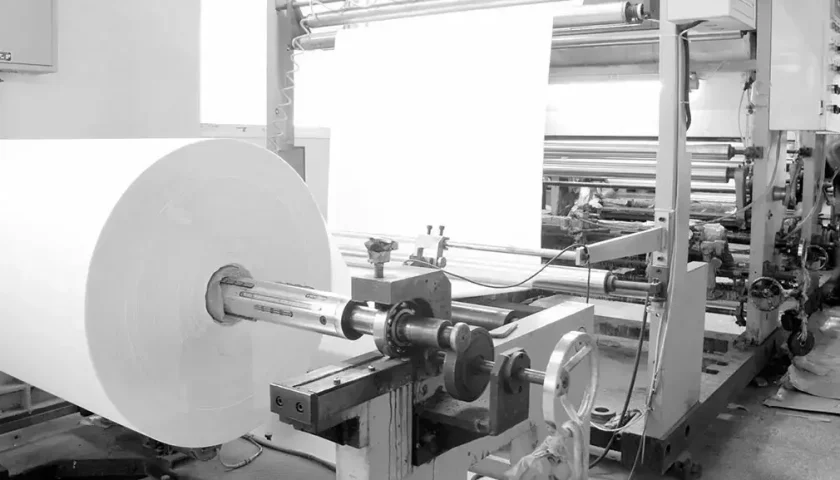
PAKISTAN – Pakistan’s Federal Budget 2026-27 has rationalized Customs Duty, Additional Customs Duty and Regulatory Duty on imported paper and paperboard under HS Codes 4810 and 4802, reducing input costs for the country’s printing and packaging sectors.
The duty rationalisation, applicable to paper and paperboard imported in large sheets and rolls, recognizes these materials as basic industrial raw materials for Pakistan’s printing, packaging and converting industries rather than as finished goods.
This addresses a long-standing anomaly that had previously subjected essential industrial inputs to higher tariff structures.
The tariff rationalisation is part of the government’s broader National Tariff Policy 2025-30, which aims to lower import duties and improve industrial competitiveness, with the manufacturing sector showing notable growth of 6.6% in the past year.
Lower Input Costs to Improve Printing and Packaging Competitiveness
The reduction in duties on paper and paperboard will help reduce input costs for printers and packaging manufacturers, improving their competitiveness in both domestic and export markets.
Lower raw material costs enable packaging converters to offer more competitive pricing to FMCG, pharmaceutical and food brands, while printers can reduce production costs for labels, cartons and flexible packaging materials.
The rationalisation also encourages investment in Pakistan’s printing and packaging sectors by improving the cost structure for capital-intensive equipment and production lines.
The measure comes as part of the government’s broader industrial policy to strengthen domestic manufacturing and reduce reliance on imported finished goods.
Industry Engagement and National Tariff Policy Alignment
The duty rationalisation follows sustained engagement between industry stakeholders and the Federal Board of Revenue, with technical submissions highlighting the impact of high duties on paper merchants, printers, packaging manufacturers, converters and thousands of downstream businesses that use paper and paperboard as essential raw materials.
Import-related tax revenues have actually increased by approximately 12% over the past year despite lower rates, demonstrating that reduced tariffs can stimulate economic activity while maintaining fiscal stability.
The recognition of paper and paperboard as industrial raw materials rather than finished goods provides a foundation for future tariff rationalisation across other packaging and printing inputs.
Subscribe to our email newsletters that provide busy executives like you with the latest news insights and trends from Africa and the World. SUBSCRIBE HERE


Be the first to leave a comment