
US Plastics Pact removes EPS transport packaging from problematic list as 31% recycling rate met
The 19 August 2026 decision applies only to molded EPS transport packaging, for durable goods, temperature-sensitive pharma/biologicals, and fragile items needing cushioning.
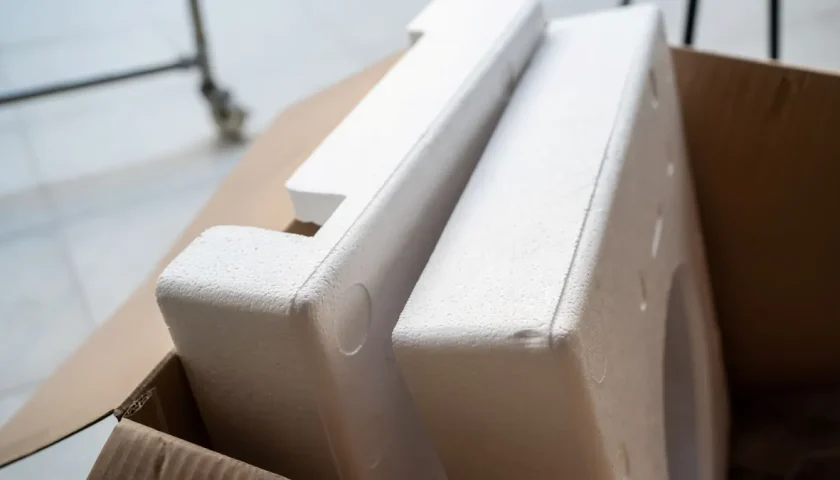
USA – The U.S. Plastics Pact has removed expanded polystyrene transport packaging from its Problematic and Unnecessary Materials List for the first time since 2021, following data showing a 31 percent recycling rate that meets the organisation’s Criterion One threshold for materials that are recyclable at scale.
The decision, announced on 19 August 2026, applies only to molded EPS transport packaging used for durable goods, temperature-sensitive products such as pharmaceuticals and biologicals, and fragile items requiring cushioning during handling and transportation.
EPS and polystyrene remain on the list for foodservice applications, and California’s ban on EPS foodservice ware, effective January 1, 2025, is unaffected.
How EPS Transport Packaging Achieved Removal from the List
The removal was driven by balanced scaling of collection capacity and end-market demand for recycled EPS content.
The 31 percent recycling rate, confirmed in the 2022 North American EPS Recycling Rate Methodology and Calculation Report conducted by Resource Recycling Systems and commissioned by the EPS Industry Alliance, indicated that more than 168 million pounds of EPS transport packaging were diverted from landfills in 2022.
More recent figures from the EPS Industry Alliance’s 2024 survey reported 206.2 million pounds recycled, with post-consumer volume more than doubling to 125 million pounds.
The Pact’s Problematic and Unnecessary Materials Workstream evaluated the material using the organisation’s Decision Tree framework, determining that it met Criterion One, which asks whether a material is reusable, recyclable, or compostable now, or will be by 2030.
What the Carve-Out Covers and Ongoing Review
The removal follows the Polystyrene Recycling Alliance’s request this spring for USPP to delete EPS transport packaging from the list. USPP executive director Crystal Bayliss stated that the decision reflects that when there are focused efforts, outcomes can change, and that the milestone was only possible because of collaboration across the value chain.
The Pact’s broader review of the Problematic and Unnecessary Materials list is still ongoing, with completion expected by the end of the year.
Brand owners and converters will need to determine which of their components qualify under the formal definition of EPS Transport Packaging, which includes packaging for appliances, electronics, industrial equipment, pharmaceuticals, medical devices, and precision instruments.
The USPP encourages continued collaboration among suppliers, users and recyclers to build on and scale strategies that have proven successful.
Subscribe to our email newsletters that provide busy executives like you with the latest news insights and trends from Africa and the World. SUBSCRIBE HERE
Be the first to leave a comment