

MM Packaging redesigns fibre tray for fresh protein packaging
The new design swaps the single-rim format for a revised rim, necessitating equipment and tooling changes, addressing a mechanical need that grows as fibre-based packaging gains ground in fresh protein.
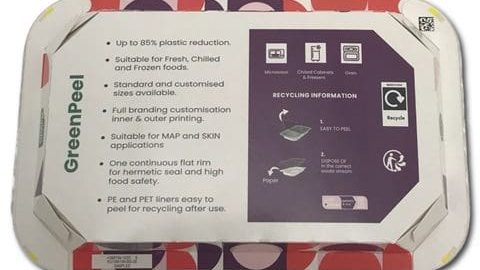
UK – MM Packaging Deeside has introduced a revised GreenPeel fibre food tray with a continuous double-rim structure, increasing stiffness and improving skin-seal performance for fresh meat, poultry and other protein products.
The updated design replaces the earlier single-rim format and involved changes to manufacturing equipment and tooling.
The revised rim addresses a mechanical need that becomes more significant as fibre-based packaging is used more widely in fresh protein categories.
In skin-pack formats, film is pulled tightly over the product and sealed to the tray, creating stress on the flange before packs pass through stacking, chilled storage, transport and retail handling.
The double-rim structure distributes that stress more effectively, reducing the risk of seal failure during distribution.
French Poultry Producer Adopts 20mm Format First
The first use of the redesign is a 20mm tray created with a large poultry producer in France. A broader rollout across the GreenPeel range is planned.
GreenPeel uses cartonboard with a removable liner and is intended for skin and modified-atmosphere packaging.
The format uses up to 90 percent less plastic than a standard plastic tray while remaining suited to existing food production and sealing operations, allowing manufacturers to convert without replacing filling lines.
Leadership Cites Durability in Demanding Retail Environments
Jonathan Craddock, GreenPeel UK business development manager at MM Packaging Deeside, said the move to a double-rim structure was a significant step forward.
He noted that customers wanted a stronger, more robust solution capable of maintaining a reliable skin seal throughout storage, distribution and retail display.
He added that introducing the double rim had strengthened the tray without compromising sustainability or branding benefits, offering greater durability particularly in demanding retail environments while continuing to help food manufacturers reduce reliance on plastic.
Fibre Tray Innovation Reflects Sector Momentum
The redesign reflects broader momentum in fibre-based protein packaging, where converters are pushing material performance to match plastic alternatives in demanding applications.
Modified-atmosphere and skin-pack formats require precise gas retention and seal integrity, and fibre trays have historically struggled to match plastic on these measures.
Engineering improvements such as the double rim narrow that performance gap, supporting adoption across meat, poultry and seafood categories where retailers face pressure to reduce plastic content.
Separately, MM Packaging Ibérica’s plant in Spain received an EcoVadis Platinum rating in July.
The facility recorded 94 out of 100 for environmental policy and had cut Scope 3 emissions by 53 percent from 2019 levels, underscoring parent group progress on sustainability metrics that increasingly influence supplier selection.
Subscribe to our email newsletters that provide busy executives like you with the latest news insights and trends from Africa and the World. SUBSCRIBE HERE


Be the first to leave a comment