

UK to exclude pre-consumer plastic from packaging tax threshold
Qualifying plastic packaging components manufactured in or imported into the UK with less than 30% recycled plastic are subject to the tax, with exemptions and other conditions applying.
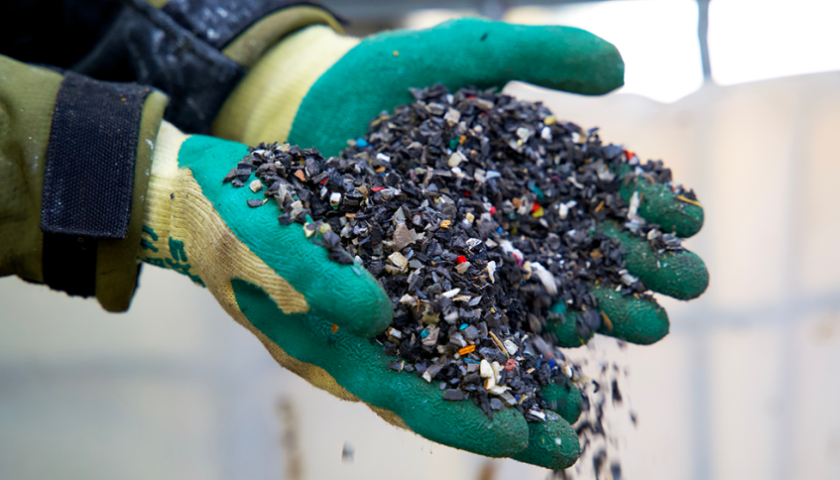
UK – HM Revenue and Customs has published draft regulations confirming that pre-consumer plastic waste will no longer count towards the UK’s 30 percent recycled-content threshold for Plastic Packaging Tax from 1 April 2027.
The tax applies to qualifying plastic packaging components manufactured in or imported into the UK that contain less than 30 percent recycled plastic, subject to exemptions and other conditions.
Under current rules, reprocessed pre-consumer waste can count towards the threshold, including plastic recovered from manufacturing waste and processed into raw material for reuse.
The definition already excludes production scrap routinely returned to the manufacturing process after minimal treatment, such as shredding or grinding.
From 1 April 2027, only qualifying post-consumer recycled plastic will count, meaning plastic recovered from products discarded after use by households, businesses and other end users.
HMRC said the change addresses a loophole and encourages greater use of post-consumer recycled plastic, which can be more difficult and costly to process.
Mass Balance Rules Govern Chemical Recycling
A parallel reform introduces mass balance accounting for chemically recycled plastic, allowing recycled feedstock to be attributed to packaging outputs when recycled and virgin materials are mixed during production.
Chemical recycling changes the chemical structure of plastic waste, and tracking recycled inputs becomes difficult once they are blended with virgin feedstock.
HMRC said these accounting challenges have limited businesses’ ability to benefit from existing tax treatment.
From 1 April 2027, companies wishing to count chemically recycled plastic towards the threshold using this route must follow the mass balance rules.
The approach is optional, but without it, the material will be treated as virgin plastic for tax purposes.
Certification and Record Keeping Requirements
The relevant supply chain must be covered by third-party certification meeting HMRC’s minimum requirements.
UK manufacturers using the approach must be certified, while importers of finished packaging must verify that the relevant supply chain is certified and retain supporting evidence from suppliers.
Required documentation includes valid certificates and attribution declarations recording the recycled material assigned to each transfer.
Businesses must also conduct due diligence checks and retain records for six years.
The technical consultation launched on 6 October 2026 covers certification, material attribution, auditing and record keeping under the mass balance approach. HMRC plans to publish more detailed guidance in early 2027.
Subscribe to our email newsletters that provide busy executives like you with the latest news insights and trends from Africa and the World. SUBSCRIBE HERE

Be the first to leave a comment