

Packaging
-
FPA launches brand owner council with Kraft Heinz, PepsiCo, P&G
The council brings brand owners, flexible packaging converters, suppliers, and policymakers together for shared learning on the issues shaping packaging innovation, sustainability, and business growth.
-
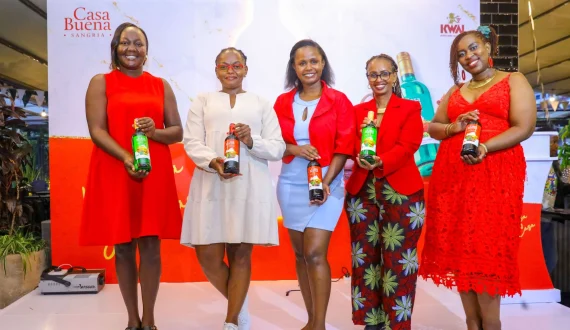
Kenya Wine Agencies Limited moves Casa Buena Sangria to glass bottles
The packaging change reflects a broader shift among East African beverage producers toward premium formats, as competition intensifies across wine, spirits, and ready-to-drink categories.
-
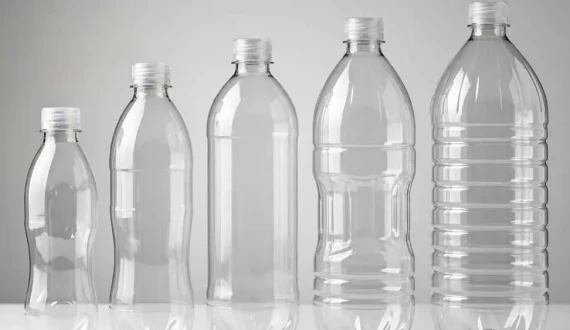
Islamabad retailers face sealing as CDA enforces PET bottle ban
Observers: abrupt restrictions inconsistent with ICT Single-Use Plastics Regulations 2023, which already provide EPR/circular economy foundation.
-

Engen Xtreme turns lubricant packaging waste into fashion collection
The initiative is part of Engen Xtreme’s Beyond Oil platform, which explores recycling and opportunities to create value beyond the brand’s core products.
-
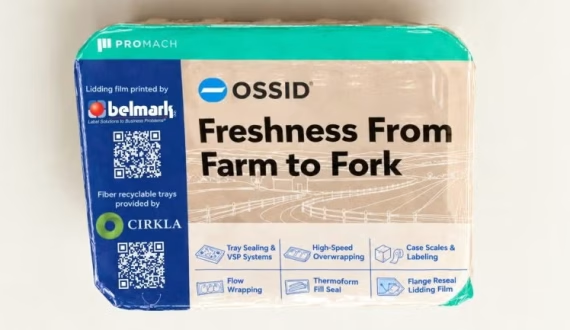
Cirkla, Belmark, Ossid launch resealable fibre food trays
Resealable fibre trays fill a food-sector gap, prepared meals and fresh produce need protective, resealable packs that cut plastic per retailer demands, if supply volumes and seal reliability hold at scale.
-
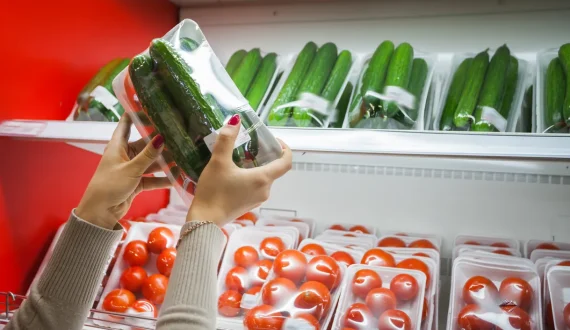
Norway seeks exemptions from EU plastic packaging ban for vegetables
Norwegian exemptions hinge on national shelf-life/distribution interpretation, demonstrable protection needs qualify; viable alternatives face full restrictions.
-
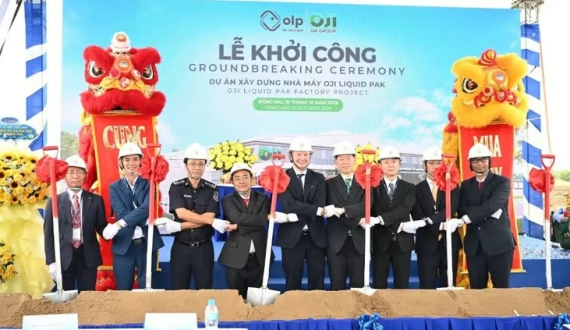
Oji Group breaks ground on US$110M Vietnam aseptic carton plant
Packaging fits standard roll-fed bottling lines, existing equipment usable; buyers get cartons alone or bundled with consumables, fillers, support.
-
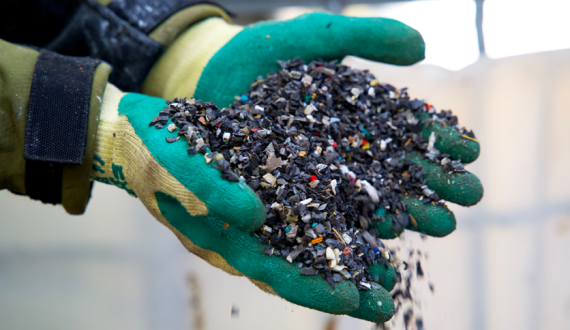
UK to exclude pre-consumer plastic from packaging tax threshold
Qualifying plastic packaging components manufactured in or imported into the UK with less than 30% recycled plastic are subject to the tax, with exemptions and other conditions applying.
-
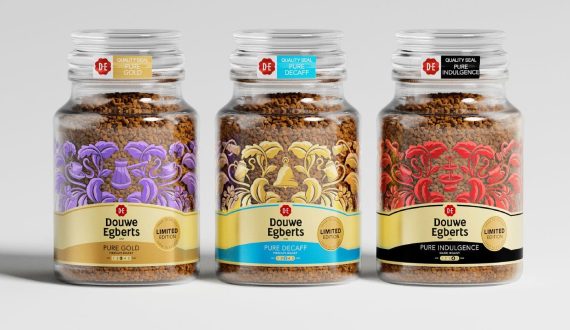
Douwe Egberts links coffee jars to local stories through QR codes
By connecting packaging to digital storytelling, QR codes drive consumer engagement beyond purchase, giving FMCG brands another differentiation tool in a crowded category.
-

Salalah Free Zone signs US$10M beverage packaging deal with Saudi firm
New complex: existing facility + expansion land; targets Oman, exports to Yemen and Africa, says chairman Alesayi.