

Digital label printing erodes flexo dominance in India’s short-run market
Flexo still dominates high-volume value work, but digital capacity grows 10–15% yearly as brands seek customization and quicker go-to-market.
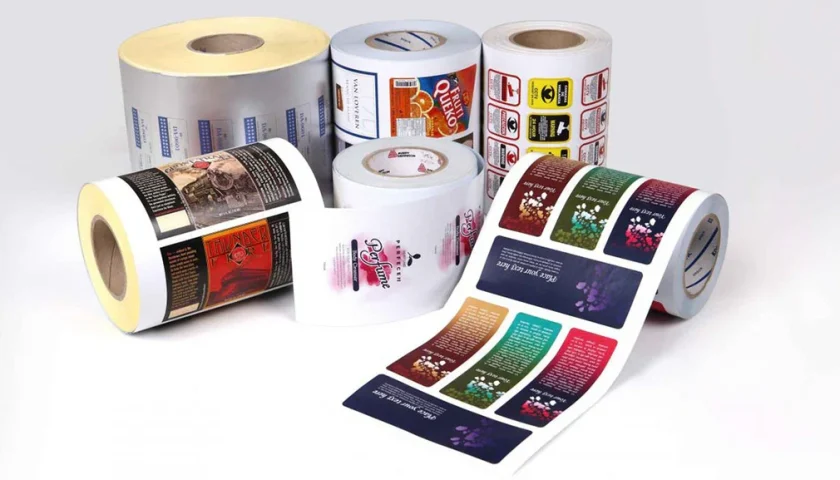
INDIA – Digital label printing is steadily displacing traditional plate-based methods across India, as brand owners prioritize rapid turnaround and versioning over the economies of scale that made flexography the industry standard.
The economics of label production have historically favored long runs, where the fixed costs of creating plates, mixing inks, and setting up machinery could be spread over millions of units.
However, as brands introduce more SKUs, seasonal variations, and localized packaging, the demand for shorter, more frequent print runs has surged.
Digital presses bypass these fixed costs entirely, allowing converters to economically produce smaller batches without the days-long setup times associated with flexo.
This shift enables brands to adopt just-in-time inventory models, reducing warehouse overhead for packaging materials.
Installation Data Points to Accelerated Adoption
Industry estimates underscore this transition.
Approximately 25 to 35 digital label presses were installed in India during FY 2025-26, alongside 140 to 150 domestic narrow-web flexo presses.
For FY 2026-27, projections indicate around 50 new digital installations, raising the cumulative label press install base to between 235 and 245 machines.
While flexo remains the workhorse for high-volume value lines, digital capacity is expanding at 10 to 15 percent annually, driven by brands demanding customization and faster go-to-market strategies.
Hybrid Configurations Handle Complex Embellishments
Modern digital label presses are no longer limited to simple four-color printing.
Advances in UV inkjet and electrophotography allow converters to process diverse substrates, from clear-on-clear films for personal care to textured papers and metallic synthetics.
Hybrid machines now integrate digital printing with traditional flexo stations, semi-rotary die-cutting, cold foiling, and varnishing.
This single-pass capability eliminates the need to move jobs to secondary finishing equipment, cutting both production time and material waste.
Flexible Packaging Represents the Next Frontier
Beyond self-adhesive labels, digital printing is making inroads into flexible packaging, including stand-up pouches and shrink sleeves.
Companies like Bengaluru-based Spectalpack are leveraging digital presses to support more than 700 brands, enabling new product launches in as little as seven to 10 days.
Industry observers identify flexible packaging as the strongest growth opportunity for digital print, though the higher cost per square meter compared with flexo remains a barrier.
For Indian converters, the shift requires careful evaluation of application fit, as the transition to digital demands significant capital investment in both presses and finishing capabilities.
Subscribe to our email newsletters that provide busy executives like you with the latest news insights and trends from Africa and the World. SUBSCRIBE HERE

Be the first to leave a comment