

Machinery & Equipment
-
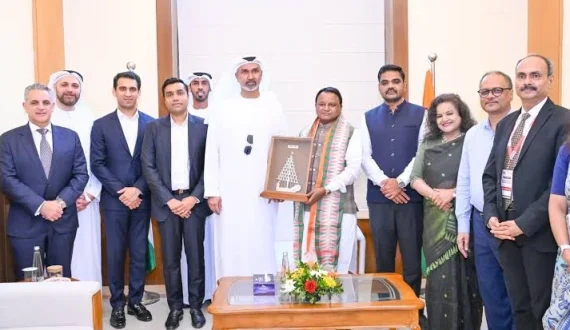
Odisha pact with Adani, IHC places packaging at industrial core
The park’s placement responds to India’s rising sustainable-packaging demand, while co-locating production with Paradip petrochemical feedstock to lower logistics costs and supply-chain fragmentation across eastern India.
-
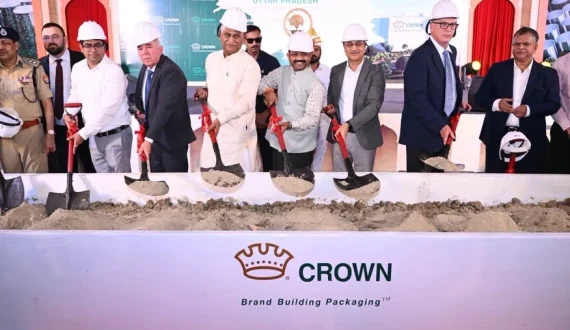
Crown Holdings breaks ground on US$21.8M beverage can plant in Unnao
Advanced manufacturing, operational efficiency, and leading sustainability practices will be built into the facility.
-

Tanzania, Algeria forge pharma packaging pact as Algerian factories target African export market
Cooperation between the two countries will create opportunities in investment, tech transfer, and training, strengthening Africa’s production of essential medicines and equipment.
-
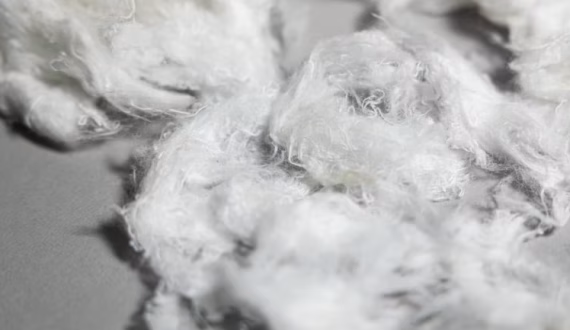
Zalando brings 80,000T textile recycling to private label with 20% next-gen cotton
The initiative shows textile-to-textile recycling can scale from trials to commercial production, offering a blueprint for brands to adopt next-generation fibres.
-
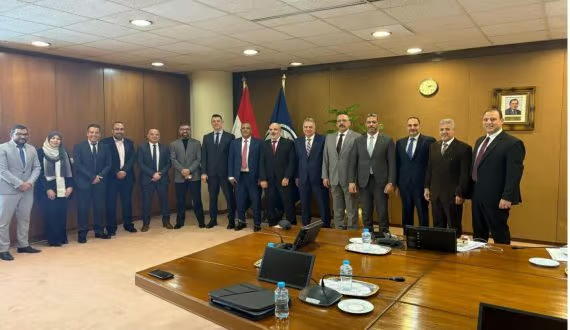
Saudi Petromin’s Egypt expansion to enhance lubricant packaging, blending infrastructure
Aiming to raise local lubricant output and broaden production/packaging/marketing, the new company, run by Technolube Egypt, leverages Petromin’s 1960s-era Egypt track record.
-
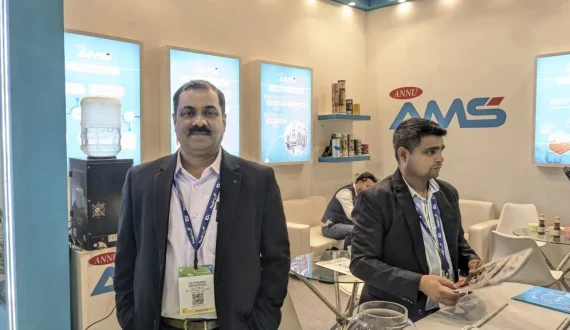
AMS Polymers enters flexible packaging adhesives market with capacity expansion plans
With its move into flexible packaging adhesives, AMS Polymers enters a growing Indian market shaped by BASF, Henkel, 3M, and H.B. Fuller.
-
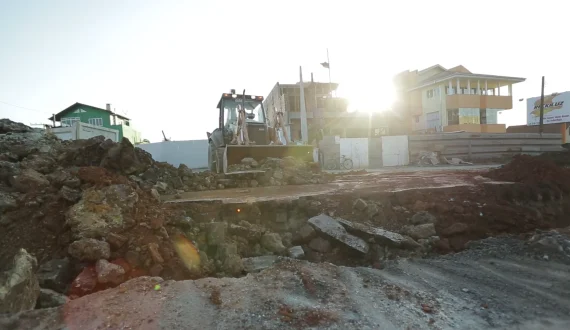
Heidelberg Materials opens 250,000T Leeds CD&E recycling plant with circular economy focus
The Leeds site is one of several recycling facilities Heidelberg Materials will open in the coming months to boost its CD&E waste processing capacity.
-
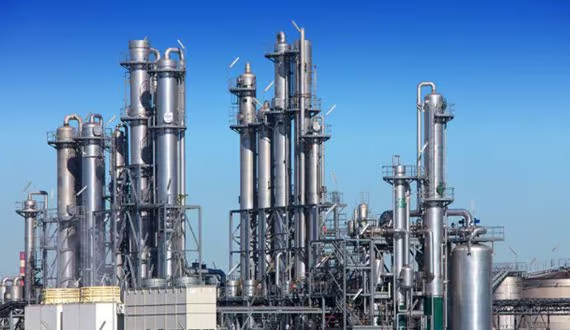
Kenya’s Kwale used oil recycling plant faces public review with 20,000L batch capacity
The proposed Kwale/Samburu facility will include ten storage tanks, a 659.68 sq m plant shed, recycling equipment, offices, a QA department, truck parking, a loading bay, and an 8–10 ft boundary wall.
-

Tanzania, US forge pharma packaging hub targeting SADC market of 300M people
Minister Mchengerwa said the government is aligning tax and tariff rules for pharmaceutical raw materials and packaging with EAC and SADC standards, to create a more competitive manufacturing environment.
-

Dadachanji Group launches KAISHA Pharma with US$50M glass packaging investment
The company’s 300,000+ sq ft complex will feature integrated production lines, high-end camera inspection, and advanced analytical/testing laboratories.