

California’s US$10M bottle deposit grant expands CRV redemption sites with mobile, bag-drop services
The investment builds on California’s broader sustainability agenda including SB 54, which establishes an EPR program for packaging and single-use plastic foodservice ware set to take effect on 1 January 2027.
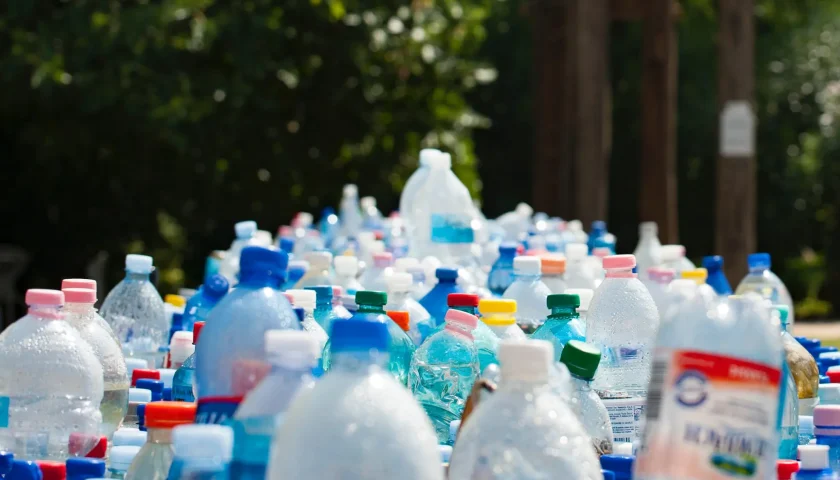
USA – California has invested US$10 million in Circular CRV Solutions to expand the state’s deposit return network with mobile recycling services and beverage bag drop-off points, as part of a broader US$41 million circular economy push that CalRecycle projects will generate US$411 billion in economic growth by 2050.
The Beverage Container Redemption Innovation Grant, awarded to the nonprofit beverage collector, will fund additional California Redemption Value return sites statewide, specifically targeting areas with limited access to bottle deposit return facilities.
The investment follows nearly US$70 million in 2024 grants that opened over 250 new redemption sites across 30 counties, and a US$131 million funding round announced in August 2025 to further expand hassle-free redemption options.
How Mobile Recycling and Bag-Drop Services Address Redemption Deserts
The CRV system, established under California’s Beverage Container Recycling and Litter Reduction Act of 1986, has faced significant challenges including the closure of more than 1,300 redemption centers between 2013 and 2022.
Recent legislative reforms, including SB 1013 signed in 2022, introduced dealer cooperative structures beginning in 2025 to eliminate “redemption deserts”.
California has recycled more than 454 billion bottles and cans since the program’s inception.
CalRecycle Director Zoe Heller stated that California was proving that reducing waste and growing the economy could go hand in hand, with investments making recycling more convenient, supporting good-paying jobs, and helping turn discarded materials into valuable new products.
What US$411 Billion Circular Economy Projection Means for Packaging Recovery
The US$10 million grant forms part of a wider US$41 million circular economy investment that also awards US$30.6 million to 13 local conservation corps for youth job training through recycling projects and US$800,000 to expand textile recycling services.
CalRecycle projects that by 2050, a fully circular economy in California will generate US$411 billion in economic growth, US$11 billion in avoided health and environmental costs, and over 500,000 new jobs across recycling, reuse, repair and manufacturing sectors.
The investment builds on California’s broader sustainability agenda including SB 54, which establishes an EPR program for packaging and single-use plastic foodservice ware set to take effect on 1 January 2027, alongside ongoing PFAS restrictions, truth-in-labeling laws, and plastic checkout bag prohibitions.
Closed Loop Partners’ Center for the Circular Economy recently announced plans to advance recovery of small-format plastic packaging ahead of the EPR deadline.
Subscribe to our email newsletters that provide busy executives like you with the latest news insights and trends from Africa and the World. SUBSCRIBE HERE

Be the first to leave a comment