

Machinery & Equipment
-
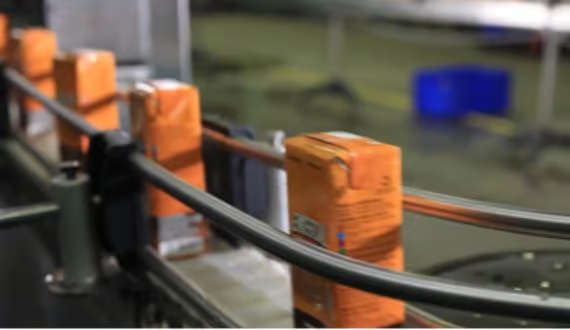
UFlex secures 20-year Indian patent for twin aseptic packaging machine
By extending UFlex’s packaging materials foothold into converting equipment, the patent enables bundled laminate-and-filling offerings for beverage producers, with a 20-year term guarding against imitation.
-
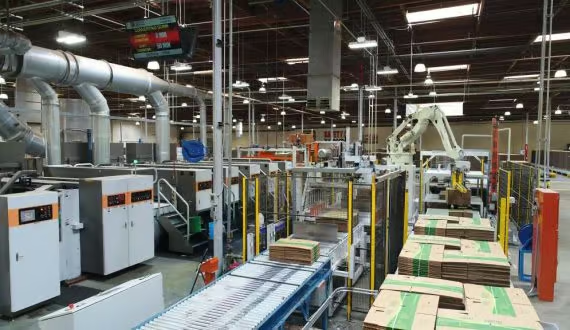
AE Global acquires Dialed Brands to extend Asian packaging sourcing
Dialed Brands’ Asia ties add international sourcing to AE Global’s domestic plants, more customer flexibility on packaging production.
-
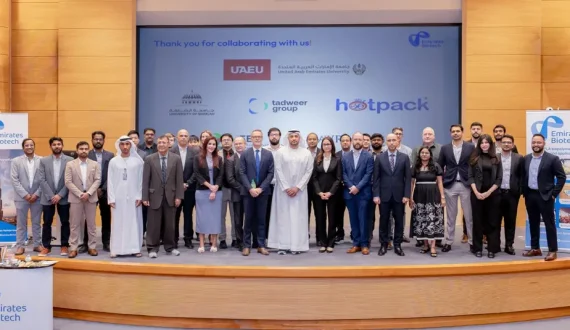
UAE University, Emirates biotech launch organic waste composting plant
Capable of processing up to 40 kilograms of organic waste once operational, the plant will be built over 6–12 months on land near the university.
-

Pakistan seeks Canadian investment in packaging, processing for Middle East food exports
The minister backed JVs to process Pakistani agricultural goods for Middle East markets, while the commerce ministry pursues investment in processing, packaging, cold storage, and certification instead of raw exports.
-
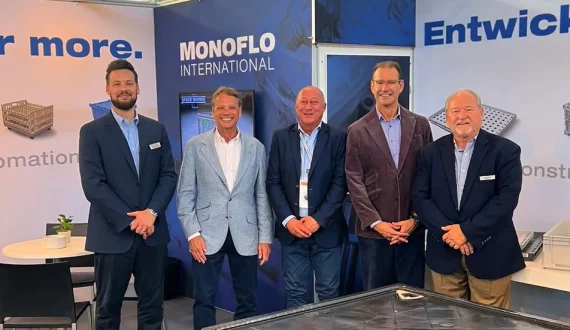
Monoflo International enters Europe with reusable packaging operation
Extending its engineering, manufacturing, and service platform into Europe, the new entity serves European customers and integrators, grounded in Monoflo’s five-decade legacy of precision injection-moulded containers, trays, and pallets in North America.
-

Luxembourg court halts Ardagh sale of metal packaging unit
Ardagh Holdings, denied a chance to present its case beforehand, called the application meritless, and is challenging the order while seeking its withdrawal.
-
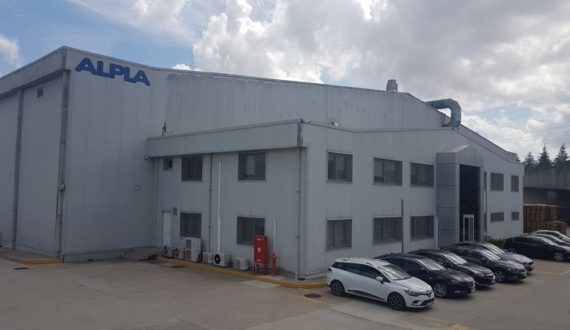
ALPLA opens two packaging plants in Türkiye to expand MEA capacity
Izmir covers the Aegean/western Türkiye and Adana the Mediterranean/south-east, together enabling short lead times, flexibility, and reliable consumer goods supply.
-
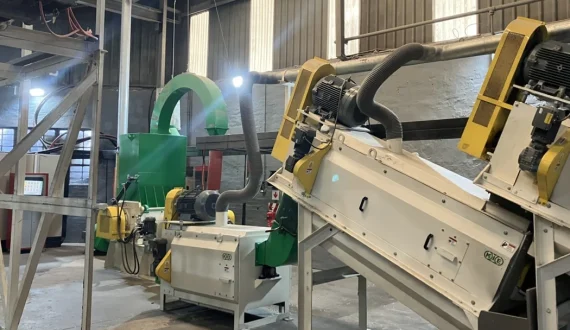
Tetra Pak invests US$1.18M in Johannesburg carton recycling machine
The machine—run by Unique Timber Plastics in Johannesburg’s Heriotdale industrial area, removes plastic and aluminium layers from used cartons, producing pellets reused as industrial inputs.
-
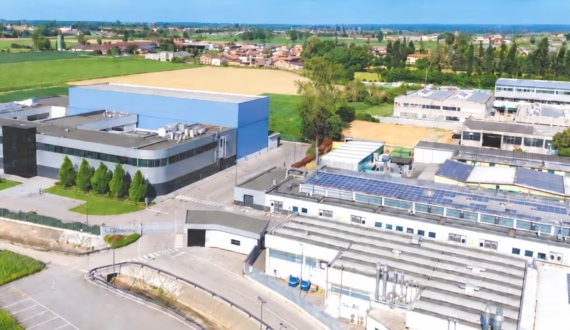
Lumson acquires Lombardi units to strengthen global packaging footprint
With the US acquisition and Lumson’s Asian position, the group’s international beauty/personal care packaging scale grows, deepening North American customer ties while Lombardi Design & MFG bolsters wider APAC presence.
-
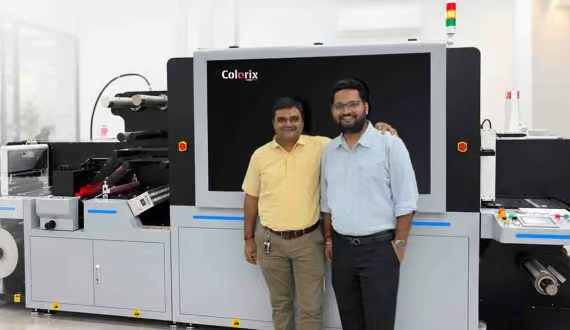
Colorix installs second Jetrix digital press in India at Artisan Venture
With shorter runs, faster turnarounds, SKU growth, and premium aesthetics driving demand, hybrid digital production is increasingly key for label makers, a shift reflected in Artisan Venture’s investment.