
Gravita India forms Mozambique recycling subsidiary deepening African sourcing
Held 99% by Gravita Netherlands B.V. and 1% by Gravita Global Pte. Ltd. of Singapore, Green Maputo Recyclers remains fully controlled within the Gravita group.
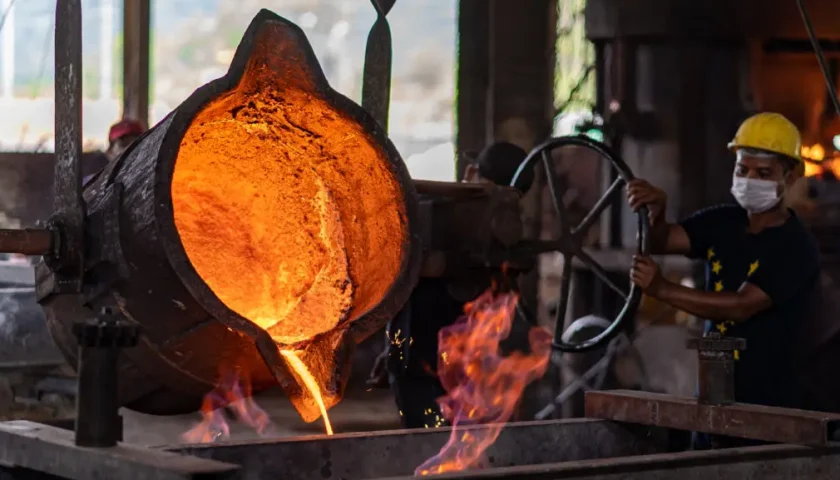
MOZAMBIQUE – Gravita India has incorporated Green Maputo Recyclers in Mozambique as a step-down wholly owned subsidiary early this week, committing US$200,000 to explore lead, aluminium and rubber recycling while deepening its African sourcing footprint.
Green Maputo Recyclers is 99 percent held by step-down wholly owned subsidiary Gravita Netherlands B.V. and 1 percent by wholly owned subsidiary Gravita Global Pte. Ltd. of Singapore, ensuring complete control remains within the Gravita group.
The structure follows the company’s practice of routing overseas expansions through existing international entities rather than direct Indian ownership.
Entity Extends African Sourcing Network
The Mozambique expansion deepens Gravita’s African footprint, joining operational facilities in Ghana, Senegal, Tanzania and Togo to secure localised scrap collection.
By placing processing facilities near raw material sources, the company reduces logistics friction and exposure to global scrap bottlenecks.
The new entity is structured to move beyond lead recycling by targeting aluminium and rubber verticals, in line with diversification plans.
Capital-Light Model Limits Upfront Exposure
The initial cash investment of US$200,000 demonstrates a modular capital expenditure model that minimises upfront risk.
This approach allows the company to establish a presence at low cost before committing heavier investment, testing local collection networks and regulatory conditions in advance of scaling operations.
Financial Performance Supports Expansion Strategy
Consolidated revenue from operations for Q1 FY27 rose 41.83 percent year on year to ₹1,475.10 crore (US$155.6 million), while consolidated net profit increased 14.30 percent year on year to ₹106.40 crore (US$11.2 million), though margins compressed due to geopolitical and supply chain bottlenecks.
The secondary metal and battery recycling sector benefits from regulatory support worldwide, with Extended Producer Responsibility guidelines in India and decarbonisation mandates driving demand for recycled lead, aluminium and plastics.
Secondary smelting carries a significantly lower carbon footprint than primary extraction.
Key risks include geopolitical supply chain constraints that previously restricted scrap imports by 15 to 20 percent, margin pressure from high raw material costs, and potential execution delays at new overseas nodes.
Subscribe to our email newsletters that provide busy executives like you with the latest news insights and trends from Africa and the World. SUBSCRIBE HERE
Be the first to leave a comment