
Multinationals oppose Islamabad ban on recyclable PET bottles
Enforcement actions started on 12 October—when local authorities began sealing retail outlets after verbal instructions via the Chief Commissioner and CDA chairman’s offices.
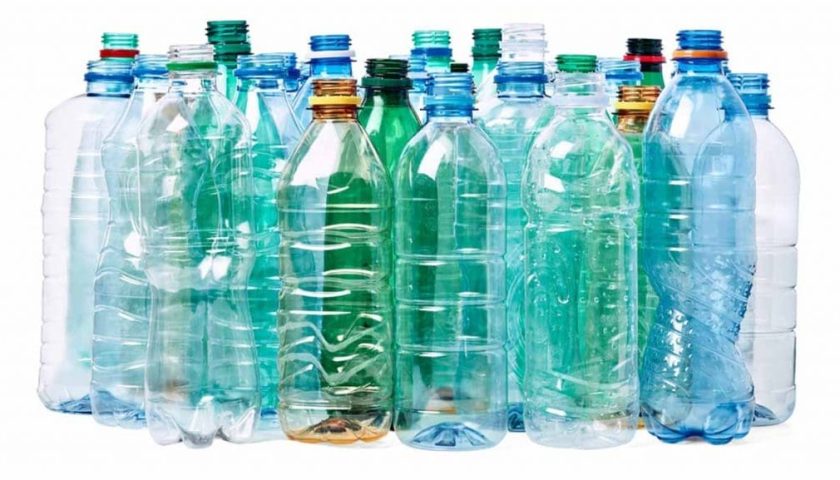
PAKISTAN – Multinational companies have opposed the sudden ban on 100 percent recyclable polyethylene terephthalate bottles in the Islamabad Capital Territory, warning that the move threatens an established recycling ecosystem.
The controversy follows enforcement actions that began on 12 October, when local authorities started sealing retail outlets after verbal instructions were issued through the offices of the Chief Commissioner and the Capital Development Authority chairman.
The directive ordered retailers and fast-moving consumer goods companies to immediately discontinue selling products packaged in PET bottles, despite no formal notification or published regulation supporting the move.
2023 Regulations Exclude PET Bottles
Industry representatives point to the Single-Use Plastics (Prohibition) Regulations 2023, notified in June 2023, which prohibit six categories of disposable plastic items including polythene bags, drinking straws, cutlery and foodservice ware.
PET bottles used for water and soft drinks are not included in the banned list.
Schedule II of the regulations separately requires single-use plastic beverage containers to contain at least 50 percent recycled plastic from July 2028, indicating a policy pathway toward recycled content rather than an outright prohibition.
Recycling Value Chain at Risk
Multinationals and business groups argue that PET is a lightweight, food-grade and fully recyclable material supported by an established collection and processing value chain.
Post-consumer bottles carry significant commercial value and are actively collected, sorted and repurposed into synthetic fibres, new packaging materials and recycled bottles.
The Overseas Investors Chamber of Commerce and Industry wrote to Interior Minister Mohsin Naqvi urging withdrawal of the ban, arguing that a blanket prohibition could undermine recycling operations and increase environmental costs.
The Collect and Recycle Alliance similarly sought intervention from the Board of Investment to ensure effective enforcement of existing regulations and maintain a predictable investment environment.
EPA Clarification Restores Legal Certainty
The Pakistan Environmental Protection Agency subsequently clarified that no legal basis existed for removing PET bottles from sale, conveying the position to the Islamabad Capital Territory administration.
The clarification followed complaints from retailers confused by the contradictory directives.
For the packaging and beverage sectors, the episode underscores the importance of regulatory alignment, as sudden enforcement without legal foundation disrupts supply chains, threatens livelihoods across waste collection networks and undermines investor confidence in markets where policy consistency remains a decisive factor.
Subscribe to our email newsletters that provide busy executives like you with the latest news insights and trends from Africa and the World. SUBSCRIBE HERE


Be the first to leave a comment