

Machinery & Equipment
-

Shyam Steel Group’s US$16.3M recycling plant in Hamriyah targets 30,000T non-ferrous capacity
The project marks the Indian group’s first international expansion outside India, leveraging Hamriyah’s deep-water port and connectivity to global shipping routes.
-
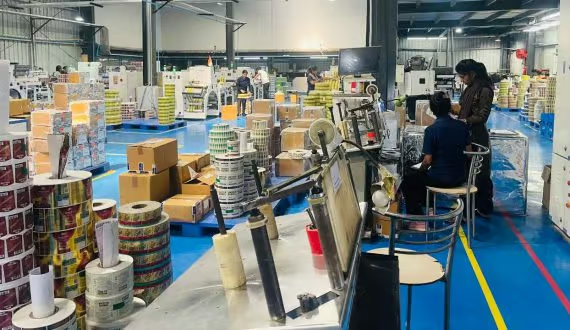
Jainytic expands Noida packaging facility to serve FMCG, Pharma with premium labels
The combination of digital, flexo and advanced finishing allows delivery across the spectrum, from high-volume FMCG labels to short-run premium jobs, with 100 percent accuracy backed by leading-edge packaging solutions.
-
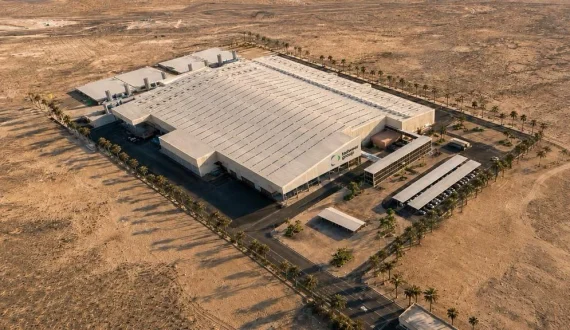
Tadweer Group partners with Urbaser for Abu Dhabi’s first greenfield MRF with AI sorting technology
The agreement covers both construction and operation, with Urbaser leading the construction phase and managing the facility for five years through a joint venture in which it holds a 60 percent stake, while Tadweer Group retains 40 percent.
-
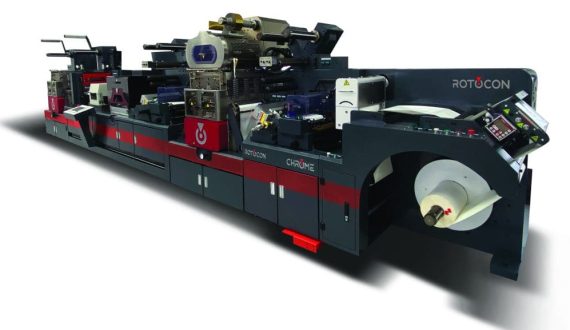
Interflex installs 10-color Rotocon flexo press to expand South African label packaging capacity
The new press enables Interflex to enter previously inaccessible markets, including shrink sleeves and roll-to-roll operations, with some customers opting to receive printed roll formats without die-cutting.
-

Kazakhstan’s US$127M glass recycling plant targets 240M packaging containers annually in Kyzylorda
The plant will incorporate advanced glass melting technology from Horn Glass Industries AG, a German manufacturer specialising in equipment for glass production.
-

CVC Capital Partners acquires Italian packaging automation specialist Clevertech
The partnership between CVC and the Reggiani family is structured to preserve the company’s entrepreneurial culture while providing the capital and strategic guidance needed to accelerate growth.
-

SKL’s new US$1M Kenya plant targets 22,000-Tonne horticulture packaging expansion
Managing Director Dr. Sonvir Singh stated that once the plant is operational, the company’s revenues and profitability trajectory will strengthen significantly, despite current financial pressures.
-

Arridex opens West Africa’s first multi-technology 3D printing plant in Lagos
The Omnifactory houses multiple advanced 3D printing technologies, including Laser Powder Bed Fusion (L-PBF), Cold Spray, Fused Filament Fabrication (FFF), and Selective Laser Sintering (SLS).
-

LOC España’s second BOBST Master M5 press strengthens high-volume complex label production
The second press supports this high-stakes work by providing redundancy, enabling the company to maintain production continuity and reduce downtime when one line requires maintenance.
-
International Paper shuts 4 US plants, simultaneously invests US$225M in Mississippi facility
The company’s broader strategy includes a planned split into two independent companies, with North American operations remaining under International Paper while EMEA packaging businesses form a separate entity.