

Egypt prepares extended producer responsibility scheme as WIMS platform set to launch for priority packaging materials
The WIMS platform will let producers and importers register and report packaging volumes placed on Egypt’s market, with Awad urging simplified procedures to drive participation.
EGYPT – Egypt’s Ministry of Local Development and Environment has confirmed that the electronic platform for the Extended Producer Responsibility system is ready to launch through the national Waste Information Management System, as the country prepares to implement EPR for priority packaging materials to reduce landfill waste and boost recycling.
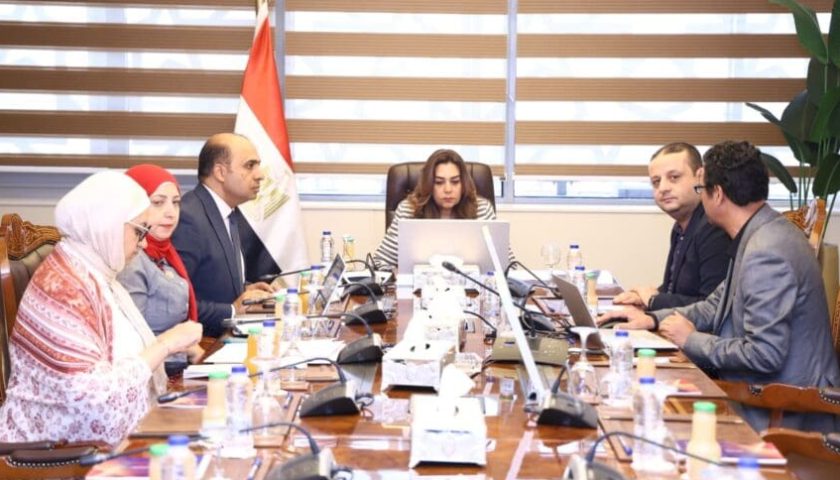
Minister Manal Awad reviewed preparations with Yasser Abdallah, CEO of the Waste Management Regulatory Authority, during a meeting that identified priority packaging materials for the first phase following consultations with private-sector representatives and other stakeholders.
The WIMS platform will allow producers and importers to register and disclose the quantities of packaging materials they place on the Egyptian market, with Awad calling for simplified registration procedures to encourage participation.
Legislative Framework and Implementation Mechanisms
The EPR system is established under Waste Management Law No. 202 of 2020, with officials discussing the transition from legislative framework to detailed implementation following a prime ministerial decision that will define covered products, producer obligations, applicable fees and the responsibilities of relevant authorities.
The WIMS system provides electronic licensing, approvals and permits for activities involving waste and hazardous materials, including collection, transportation, treatment and final disposal, as well as permits for waste exports.
A March 2025 Prime Ministerial Decree (No. 662/2025) initially applied EPR obligations to single-use plastic bags, requiring producers and importers to pay a safe-disposal fee of EGP 37.50 per kilogram.
Economic and Environmental Benefits
Studies examining the value chains of targeted packaging materials found that the scheme is expected to reduce waste sent to landfills, strengthen the circular economy and create new jobs in the recycling sector.
Awad stated that implementing EPR would support sustainable waste management and Egypt’s transition towards a circular economy while helping the country meet its international commitments on the environmentally sound management of materials and waste.
A consultative session on the draft EPR decision for packaging materials was held in October 2025, attended by representatives from the private sector and development partners, reflecting the government’s commitment to practical consensus on implementation.
The system is designed to shift financial and administrative responsibility for post-consumer packaging waste to producers and importers, creating a privately funded but publicly operated stewardship model.
Subscribe to our email newsletters that provide busy executives like you with the latest news insights and trends from Africa and the World. SUBSCRIBE HERE


Be the first to leave a comment