

Technology
-
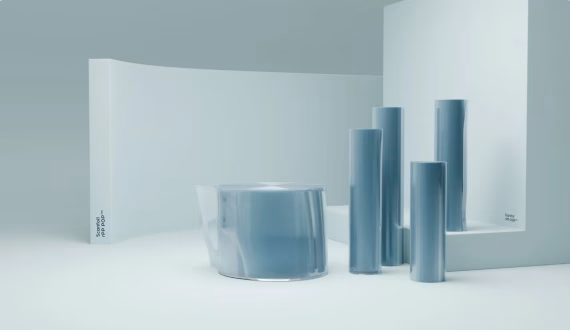
Scanfill’s new recycled PP packaging film meets food-contact standards with prevented ocean plastic sourcing
The material, produced with 30% post-consumer recycled PP, is sourced from plastic cups collected in coastal parts of Southeast Asia through the Prevented Ocean Plastic programme, preventing waste from entering marine environments.
-
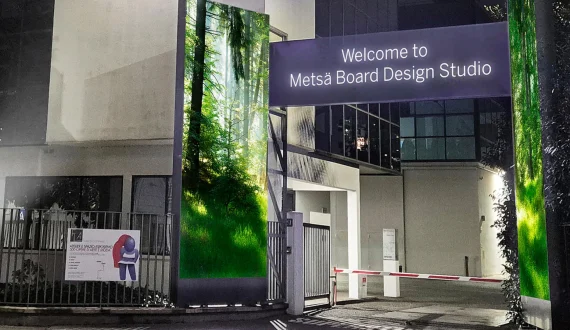
Metsä Board’s AI-driven Milan packaging studio accelerates fresh fibre design
The Milan studio enables earlier customer collaboration, allowing shared testing and refinement that reduces development time and brings market-ready packaging solutions to practical use more quickly.
-

Egypt-Switzerland US$1.7M E-waste recycling grant targets 87,000T annual management gap
The project also aims to professionalise the informal sector, which currently handles most e-waste processing through inadequate methods such as open burning that release toxic substances.
-

Amman’s new AVTR AI-powered recycling complaints system uses geolocation to route waste reports
The system’s integration of photos and geolocation data helps reduce field processing time and ensures accurate issue identification and resolution.
-
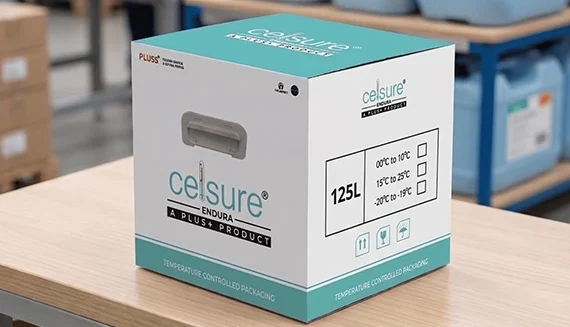
Pluss Advanced Technologies launches Celsure Endura Reusable packaging for pharma cold chain logistics
The launch reinforces Pluss’ focus on developing science-led innovations that address real-world industry challenges while reducing environmental footprint.
-
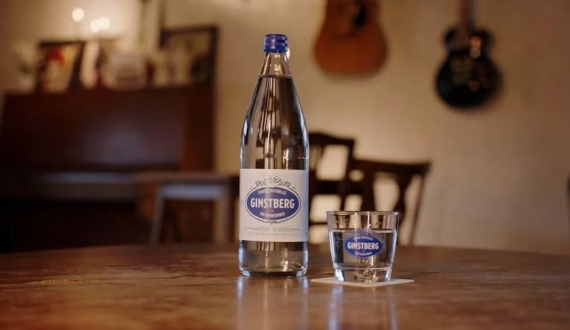
Belgian mineral water brand Ginstberg adopts Amcor’s lightweight tamper-evident closure for reusable glass bottles
The closure’s ISCC+ certification enables full traceability of recycled content, helping Ginstberg meet evolving regulatory requirements for packaging circularity.
-
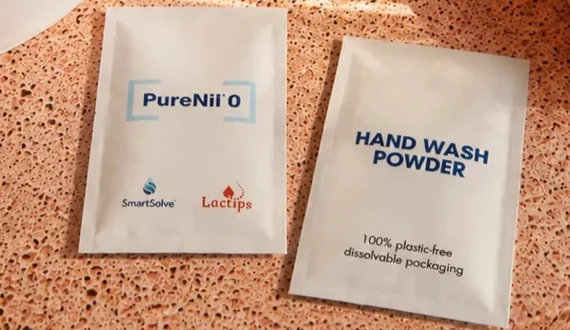
Lactips, SmartSolve launch water-soluble beauty packaging with PureNil 0 for plastic-free recycling, dispersal
The technology pairs a protein-based polymer from Lactips with PureNil 0 paper from SmartSolve to produce a flexible film that disappears in water.
-
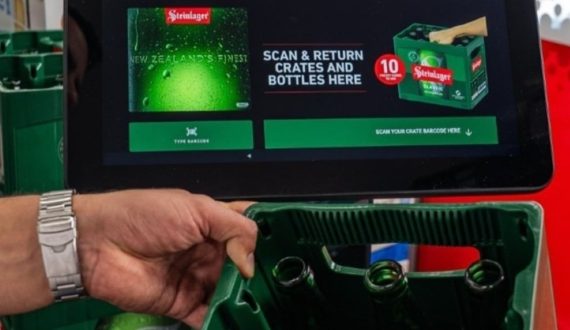
Lion’s digital returnable beer packaging pilot targets 64% recycling, carbon reduction in Auckland
The system, developed in collaboration with Datacom, enables Lion to monitor crates in circulation and aims to collect data on consumer behaviours to refine the experience for future scaling.
-
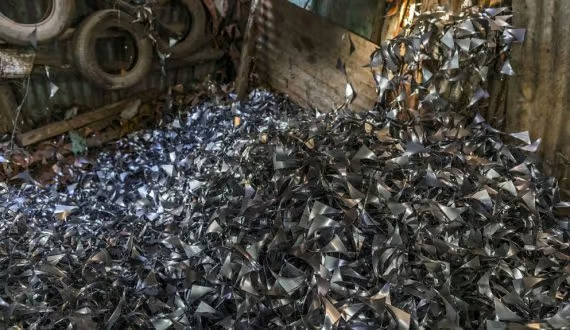
Sibanye-Stillwater’s new SA recycling platform targets gold, silver, platinum group metals
The platform supports Sibanye-Stillwater’s broader strategy of connecting mining, processing and recycling into a single value chain.
-
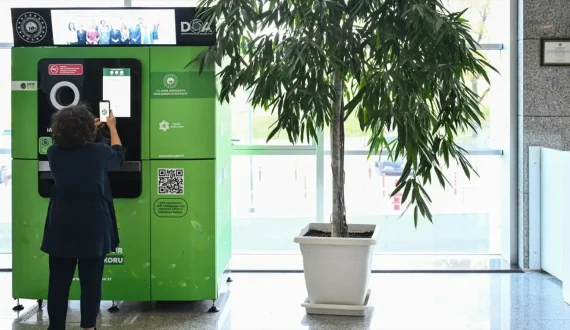
Türkiye’s new DOA deposit system targets 25B annual recyclable containers with refund
Refunds are deposited directly into users’ digital wallets via the DOA mobile app, from which funds can be transferred to bank accounts, withdrawn from ATMs, or used for purchases at participating retailers.