

Technology
-

Arrow Greentech secures 20-Year Indian patent for color shift film security packaging, printing
The patent’s timing aligns with increased regulatory pressure for enhanced authentication features in local products and the global anti-counterfeit packaging market’s rapid expansion.
-
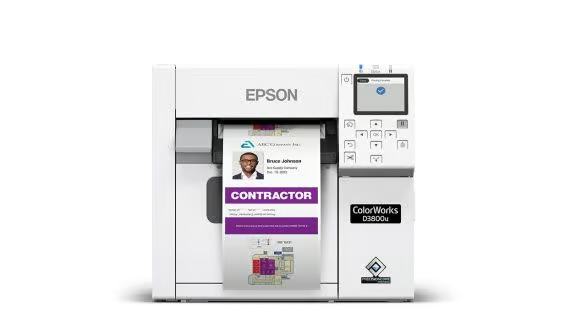
Epson unveils new label boost software and ColorWorks CW-D3800 printer for on-demand packaging labels
The software supports dynamic customisation based on date, location or purchase history, enabling targeted messaging without complex pre-printing.
-

CVC Capital Partners acquires Italian packaging automation specialist Clevertech
The partnership between CVC and the Reggiani family is structured to preserve the company’s entrepreneurial culture while providing the capital and strategic guidance needed to accelerate growth.
-
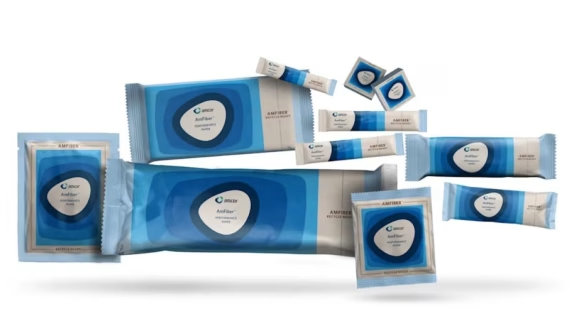
Amcor explores Kelpi’s seaweed-based coating technology for AmFiber fibre packaging platform
The ultra-thin barrier layer, applied at just 0.01mm thickness, is engineered to provide excellent water and oxygen resistance while remaining fully recyclable and biodegradable.
-

Recyda’s new PPWR Navigator platform automates declarations for packaging compliance, documentation
The platform connects with existing internal systems via API, automatically identifies data gaps, compliance risks and missing information across thousands of SKUs, and enables bulk generation and export of documentation simultaneously.
-
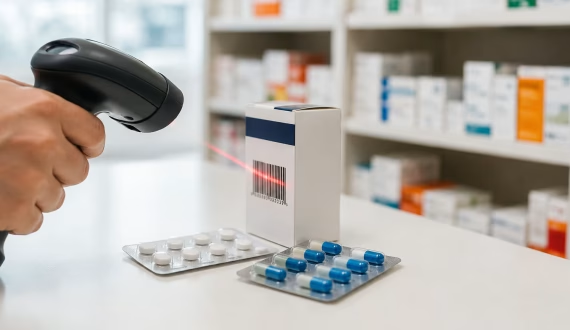
Pakistan’s DRAP mandates 2D pharma barcode system for smartphone-verifiable packaging
Once operational, consumers will be able to verify medicine authenticity by scanning the 2D barcode with a smartphone, accessing product information including expiry date, usage instructions, and official retail price.
-
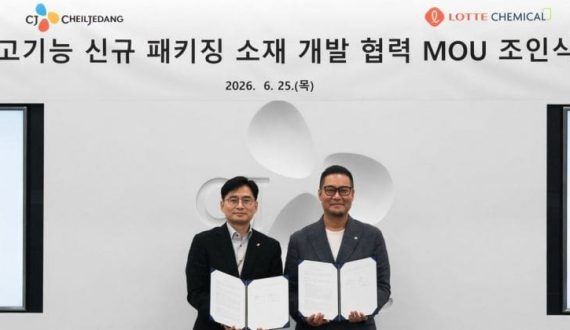
CJ CheilJedang, Lotte Chemical partner to develop dual-use frozen, microwave-ready food packaging
The two companies will collaborate from the initial raw material design stage to develop packaging that strengthens cold and heat resistance properties.
-
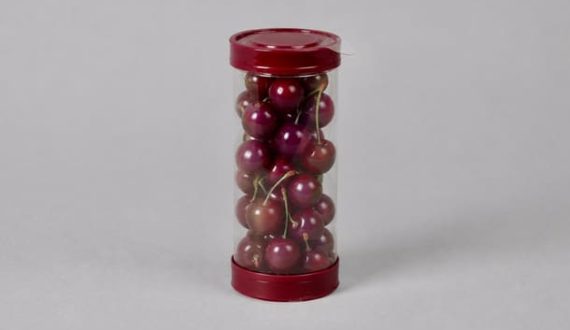
Mumbai-based Globe Print n Pack launches recycled tube packaging for specialty fruit export market
The packaging is manufactured using food-safe RPET containing 70% recycled content, offering high clarity for product visibility while remaining lightweight at approximately 11g.
-

Pragmatic Semiconductor’s new NFC protect chip enables instant pack tamper detection
The chip is manufactured using a low-carbon production technique designed for cost efficiency and mass market adoption.
-

Norner’s new PFAS screening tool targets PPWR compliance with 50 ppm organic fluorine threshold
The PPWR sets three-tier PFAS limits for food contact packaging from 12 August 2026: 25 ppb for any individual PFAS, 250 ppb for the sum of PFAS, and 50 ppm for all PFAS including polymeric PFAS.