

Technology
-
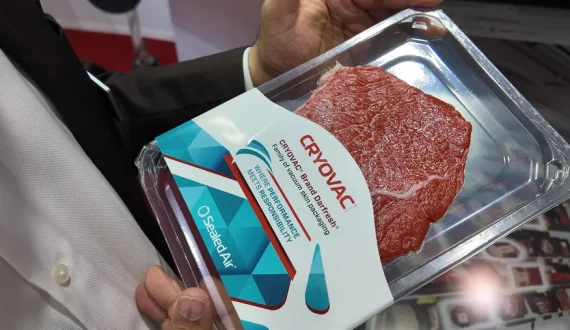
SPAR Austria slashes meat packaging by 70% in PPWR-driven pilot, saving 14T of plastic
The MonoPP Flowpack is certified as recyclable by the Cyclos-HTP Institute and can integrate with existing recycling infrastructure in countries with established polypropylene recycling streams.
-

Elopak switches to renewable-powered aluminium, cutting carton carbon by 8% to 49g CO₂e
By switching to aluminium made with renewable power (hydro, wind, or solar), Elopak addresses the aluminium layer’s emissions without changing barrier performance or requiring customers to modify filling lines.
-

GreenDot, Osapiens build AI tool to automate EU packaging compliance reporting
The GreenDot-osapiens platform calculates compliance obligations for each country and determines the applicable tariff structure, turning a fragmented manual process into an automated workflow.
-

Trimet adds 80,000T of German aluminium recycling capacity with hydrogen furnaces, laser sorting
Laser-based sorting enables alloy-specific separation, producing feedstock that can be directly remelted into new high-performance products without the energy penalty of refining mixed scrap down to purity.
-

UPM’s new label adhesives target pharma vials, wine ice buckets, industrial chemical drums
The adhesives are supported by pre-assessed performance data to support qualification and regulatory processes.
-

Greendot Biopak develops home compostable stretch film, cutting costs by 55% vs conventional plastic
The transition requires zero capital expenditure.
-

Orkla ditches plastic pouches for Elopak’s D-Pak cartons across Nordic laundry lines
The new D-Pak cartons contain a mix of circular PE (recycled post-consumer plastic) and bio-circular PE (made from renewable feedstocks such as used cooking oil or tall oil).
-

CCT expands reusable pharma parcels across Europe with leasing model, cutting fossil fuel use by 60%
The reusable system aims to help customers reduce inventory, increase performance, and gain operational flexibility.
-

Falconer develops cartonboard whisky pack with eight-panel structure, recessed centre, foil detailing
The pack is fully recyclable, and its one-piece design is delivered flat-packed, improving pallet use, reducing transport volume, and expediting assembly on the bottling line.
-

Esko unveils “Spec to Pack” packaging workflow tools, AI-enabled cloud platform
Srinivas Kuppa, Esko chief product officer, stated that packaging today is no longer a collection of disconnected workflows, and that with the Esko AI-enabled packaging cloud, the company is creating a connected digital foundation where intelligence permeates every capability layer.