

Market Trends, Research & Reports
-

Greif announces US$60/T price hike on recycled paperboard buyers
Greif explained that the paperboard increase reflects swollen raw material and freight bills paired with rising buyer demand.
-

31 Egyptian food, printing, packaging companies seek partnerships in Morocco via trade mission
The inclusion of printing and packaging companies alongside food producers reflects a strategic recognition that packaging is inseparable from food exports.
-

SA Plastics Pact sets 55% output recycling target, 20% virgin plastic cut for 2030
The new target measures what actually leaves the recycling facility to be made into new products, ensuring materials re-enter the economy.
-

Fi Africa draws 16,000 attendees, premium packaging touted as MENA’s top purchasing driver
Premiumization today is not only about luxury aesthetics; consumers increasingly expect premium packaging to also deliver functionality, convenience, sustainability, and product protection.
-

May in Review: Packaging’s Month of Mega-Mergers, AI Takeovers, and Fibre’s Finest Hour
May 2026 will be remembered as the month when three trends converged.
-
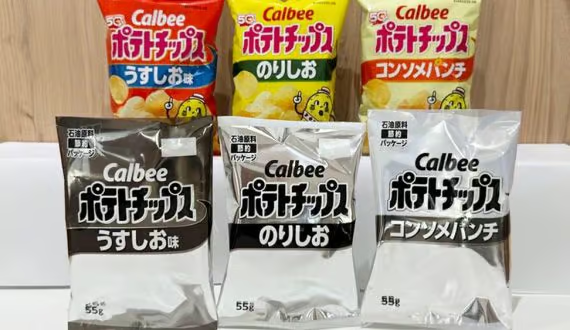
Japan’s snack bags go black-and-white as ink shortages force packaging rethink
The cost of petroleum-based materials has surged, prompting a broader reassessment of packaging, including efforts to reduce plastic use.
-

AWA reports 2.5% growth in global pressure-sensitive label market, Asia leads as in-mold label market expands
The updated AWAreness Report Global Influx examines the impact of Asian exports on European and North American pressure-sensitive label markets, covering pricing pressures on local producers, supply chain shifts, and investment in intelligent labels.
-

Uflex Q4 net income rises 16% to US$23.5M as full-year profit more than doubles
The 123% full-year profit increase occurred during a period when many packaging converters faced margin pressure from rising raw material costs.
-

Kioo warns Kenya’s proposed 35% excise duty on EAC glass bottles threatens regional trade, supply chains
The proposed excise duty would materially increase packaging costs for manufacturers and consumers in Kenya, making Kioo’s products less competitive compared to locally manufactured glass bottles in Nairobi.
-

Italy exceeds EU targets with 69.5% aluminium packaging recycling rate as beverage cans reach 92.8%
The 92.8% rate represents a 5.5% increase in %age points compared to the previous year, leading CIAL to describe Italy as “one of the most efficient countries in Europe” for aluminium recycling.