

Unboxing the Problem: Can Sustainable Packaging Survive the E-Commerce Logistics Gauntlet?
The companies that crack the code on sustainable protective packaging, through right-sizing, AI optimisation, and innovative materials, will not only reduce their environmental footprint but unlock significant cost savings
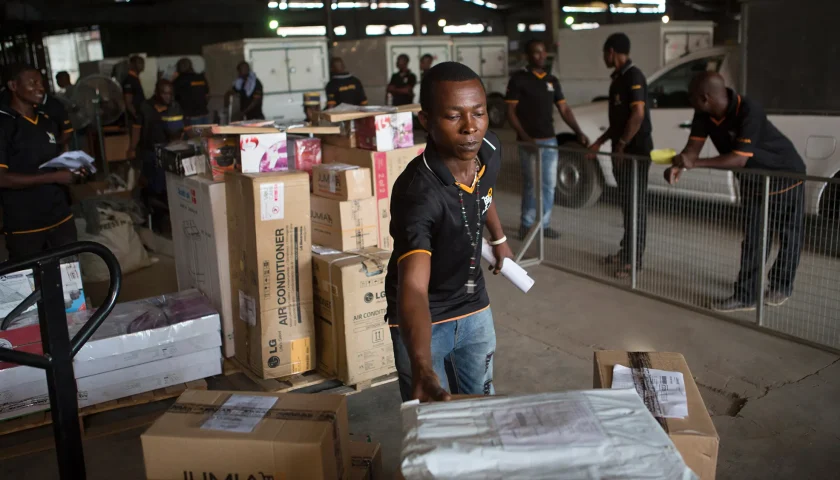
The MEA e-commerce packaging market is set to surpass US$3 billion by 2029, yet protective packaging remains notoriously difficult to recycle and the returns economy doubles the footprint.
For an industry built on precision and consistency, the current state of e-commerce protective packaging across the Middle East and Africa is a logistical paradox. The numbers are staggering. The MEA e-commerce packaging market was valued at US$2.82 billion in 2025 and is projected to reach US$6.06 billion by 2033, growing at a remarkable CAGR of 10.1%. The UAE’s e-commerce market alone is projected to hit US$8 billion by 2025, while Saudi Arabia continues its rapid digital expansion under Vision 2030.
Yet with every parcel delivered comes a cascade of bubble wrap, air pillows, foam inserts, and plastic mailers, materials that are lightweight, cheap, and effective, but notoriously difficult to recycle.
Global mechanical recycling rates languish below 10%, and for flexible, multi-layered protective packaging, the figure is far lower. The corrugated packaging market, valued at US$9.03 billion in 2025, is growing at a modest 2.25% CAGR, reflecting the dual pressure of FMCG demand and surging e-commerce volumes.
Meanwhile, the packaging films sector is projected to add more than US$1.59 billion by 2030, driven by the need for protective and lightweight solutions that can withstand logistics challenges. The question is no longer whether sustainable packaging is desirable, it is whether it can survive the logistics gauntlet.
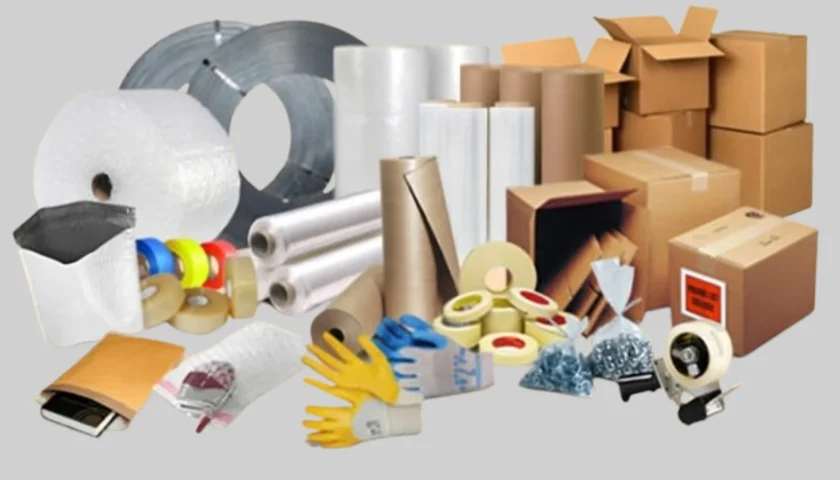
The Material Conundrum
Protective packaging must absorb shock, maintain product integrity, and withstand extreme temperatures across supply chains that span deserts, mountains, and urban delivery networks. For years, the answer has been expanded polystyrene, polyethylene bubble wrap, and air-filled cushions, materials that are cheap and effective but environmentally problematic.
The Gulf’s abundant supply of virgin polymers, with SABIC and other petrochemical giants producing high-quality raw materials at competitive prices, further undermines the business case for recycled alternatives.
Paper-based alternatives, including corrugated inserts, moulded pulp, and honeycomb paper, are widely touted as sustainable solutions. They are readily recyclable and resonate with eco-conscious consumers. However, paper is heavier, and shipping weight is a direct driver of carbon emissions.
A heavier package requires more fuel and more space, potentially negating the environmental benefits. Worse, paper offers less cushioning per unit volume, requiring more material to achieve the same protection.

The Returns Nightmare
The most overlooked variable is product returns. E-commerce return rates average 20-30%, and in fashion, can exceed 50%. Each returned item often requires fresh packaging for the return journey, effectively doubling the footprint. Research examining over 630,000 returned apparel items found that 22-44% of returned products never reach another consumer, and the GHG emissions from unused returns can be 2-16 times higher than all post-return transport and packaging combined. This is the “damage deficit” that sustainable packaging must address.
Right-Sizing: The Low-Hanging Fruit
Global leaders are demonstrating that right-sizing is the most immediate solution. Amazon’s AI-powered Package Decision Engine, launched in 2019, uses computer vision and machine learning to determine the optimal packaging for each item. The results are transformative: packaging weight per shipment reduced by 43% in North America and Europe, avoiding over 500,000 tons of packaging material annually, comparable to the weight of over 7,000 fully loaded Boeing 737s.
Since 2015, Amazon has eliminated more than 2 million tons of packaging globally. In North America, 95% of plastic air pillows have been replaced with recycled paper filler, eliminating roughly 15 billion plastic pillows annually.
Outdoor clothing maker Helly Hansen partnered with Ranpak to implement automated right-sizing, cutting labor costs, tripling throughput, and reducing corrugated use by approximately one-third. Surveys show 80% of customers prefer their packages arrive in corrugated with less void fill, a demand driven by Gen Z consumers who will change buying behaviours if they perceive wastefulness.
The Regional Opportunity
In the MEA region, companies are responding. Huhtamaki Flexibles recently inaugurated a new pouching hub in Ras Al Khaimah, scaling production of recyclable solutions like the blueloop™ Omnilock Ultra Paper, a mono-paper alternative to aluminium-based laminates. Saudi Arabia, with its National Center for Waste Management (MWAN), is leading the packaging films sector, leveraging its manufacturing base and abundant raw materials. The returnable packaging market is also gaining traction, projected to grow at a CAGR exceeding 6.99% from 2025 to 2030, driven by sustainability regulations and cost reduction goals.
The e-commerce packaging tsunami is not receding; it is rising. By 2029, the MEA market will exceed US$3 billion. The companies that crack the code on sustainable protective packaging, through right-sizing, AI optimisation, and innovative materials, will not only reduce their environmental footprint but unlock significant cost savings. In the packaging game, the winners will be those who protect both the product and the planet, without sacrificing either.
Subscribe to our email newsletters that provide busy executives like you with the latest news insights and trends from Africa and the World. SUBSCRIBE HERE

Be the first to leave a comment