

Amcor, Dow launch verified carbon data model for polyethylene packaging
Dow’s Keith Cleason said the two firms are piloting a market-based commercial model to cut adoption risk, clarify demand signals, and speed low-carbon packaging commercialisation across the value chain.
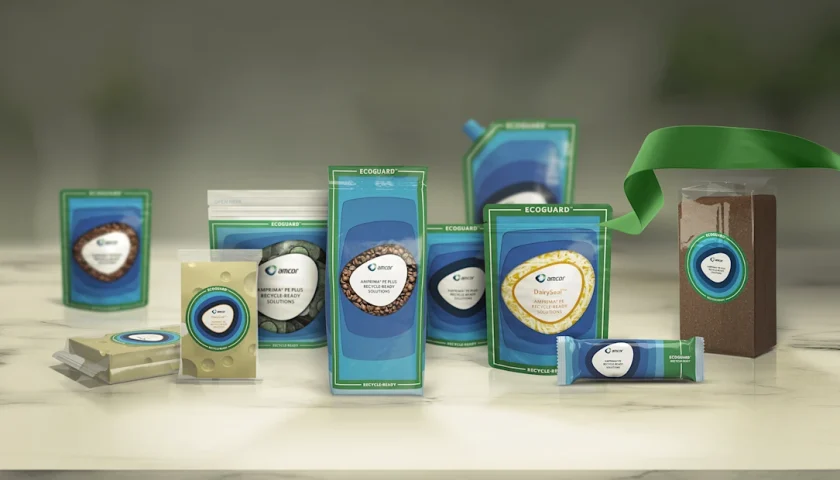
USA – Amcor and Dow have launched a joint commercial model supplying independently verified product carbon footprint data for polyethylene packaging, aiming to accelerate adoption of lower-carbon formats among brands and retailers.
The collaboration combines Amcor’s packaging development and manufacturing capabilities with Dow’s polyethylene portfolio and materials science work.
Keith Cleason, president of Dow’s packaging and speciality plastics business, said the two companies were testing a new commercial model through market-based mechanisms to reduce adoption risk, create clearer demand signals and accelerate commercialisation of low-carbon packaging solutions across the value chain.
He added that the approach made it easier for brands and retailers to evaluate and integrate low-carbon options supporting both business growth and sustainability objectives.
The model seeks to involve other value chain participants at an earlier stage than conventional packaging development cycles allow.
Independent Assurance Aligns with International Standards
Central to the initiative is the carbon footprint ledger method, which draws on established industry practice around mass balance in greenhouse gas accounting.
The ledger provides independently assured product carbon footprint data aligned with internationally recognised frameworks including ISO 14067 and the Greenhouse Gas Protocol Product Standard.
Amcor said the method, combined with its packaging capabilities, gives customers clearer information on the climate effects of packaging choices and helps them compare lower-carbon alternatives.
Verified data of this kind has become increasingly important as regulators scrutinise environmental claims and brand owners seek defensible documentation for corporate sustainability reporting.
Drop-In Format Preserves Performance and Design Standards
David Clark, chief sustainability officer at Amcor, said bringing low-carbon polyethylene to market in packaging that met the same technical and design standards was one of the simplest ways to help shrink a product’s carbon footprint.
He noted that because the solution functioned as a true drop-in format for brands, the collaboration represented an opportunity to translate climate commitments into action.
Drop-in compatibility allows manufacturers to reduce emissions without retooling production lines, reformulating package designs or requalifying materials for existing filling equipment, removing a significant barrier that has slowed adoption of alternative materials across fast-moving consumer goods categories.
Scope 3 Targets Drive Commercial Demand
The partnership targets Scope 3 emissions goals, which encompass indirect emissions generated throughout a company’s value chain and typically represent the largest share of a consumer goods firm’s total carbon footprint.
Packaging contributes a measurable portion of these emissions, making material substitution a practical lever for brands pursuing reduction targets.
Subscribe to our email newsletters that provide busy executives like you with the latest news insights and trends from Africa and the World. SUBSCRIBE HERE


Be the first to leave a comment