

Logistics & Supply Chain
-
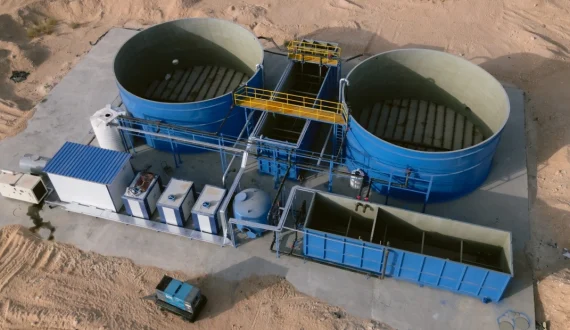
Veolia’s Tahwil waste-to-energy recycling plant diverts 85% of hazardous waste from landfill in Saudi Arabia
Using strict safety protocols like controlled access and real-time monitoring, the facility turns most hazardous industrial waste from landfill fodder into valuable energy.
-

Neveah’s triple ISO certification boosts Nigerian recycling, manufacturing operations
These certifications serve as official proof that the business meets international quality, safety, and efficiency standards, boosting credibility with customers, financial institutions, development partners, regulators, and other global stakeholders.
-
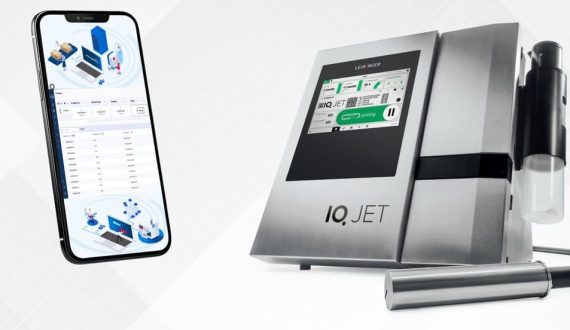
Aldi, Arla, Polytag launch UV-tagged milk bottle trial to track packaging recycling in real time
Polytag’s detection units at MRFs capture real-time barcode-level data as tagged packaging enters recycling streams.
-
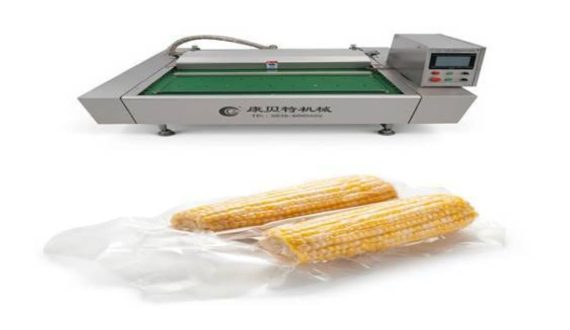
KBT Packing strengthens packaging automation with vacuum, thermoforming solutions for food manufacturers
Ideal for meat, seafood, dairy, ready meals, dried goods, and any food requiring safe, hygienic packaging.
-
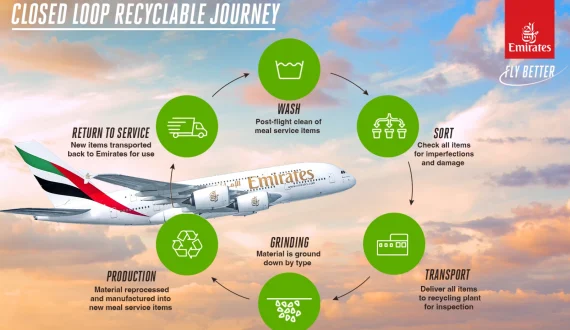
Emirates’ new closed-loop recycling, upcycling programs turn aircraft waste into new meal trays, student-designed products
The deSter partnership enables large-scale UAE recycling, lowering carbon footprint by avoiding international transport of recyclable materials.
-
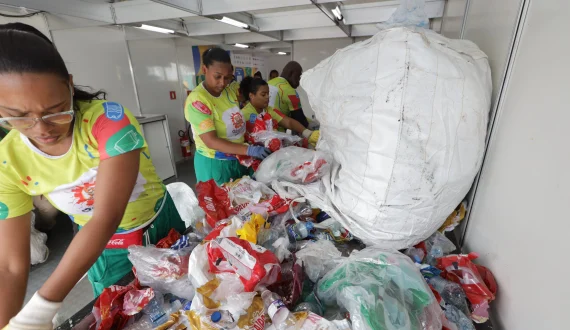
10B bottles collected: Plastic Bank’s 68,500 collectors prove waste is currency
Despite the milestone, CEO David Katz stressed that the challenge persists, an estimated 11 million tonnes of plastic enter the oceans each year, equivalent to a refuse truckload every minute.
-
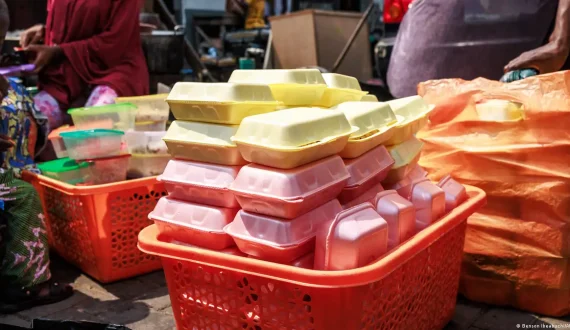
Ghana Medical Association demands comprehensive ban on single-use food packaging plastics for public health
If paired with affordable sustainable alternatives and proper enforcement, the broader ban would improve waste collection, recycling, and public education, while cutting plastic pollution and creating cleaner cities.
-
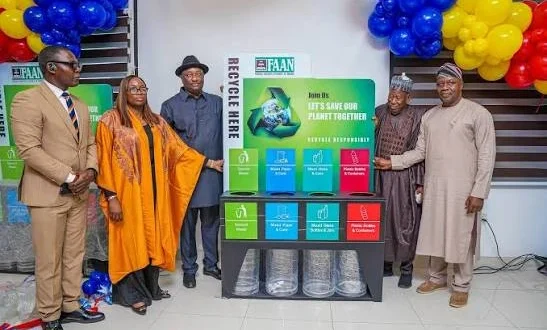
FAAN’s waste recycling programme targets 1,383T of airport waste with three-phase circular economy plan
FAAN’s recycling programme, part of its ACI-accredited Carbon Management Plan, represents a major move toward net-zero carbon emissions.
-
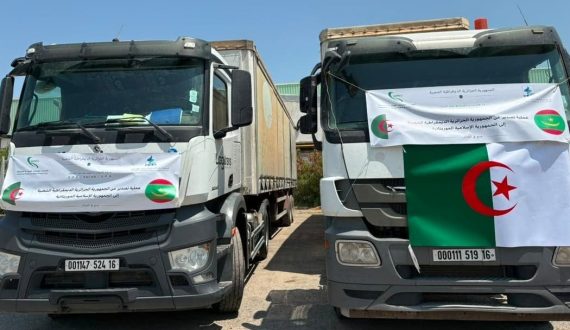
ACS Holding’s GIPEC returns to export markets with 80,000 corrugated packaging units to Mauritania after eight-year hiatus
This successful export to Mauritania showcases government efforts to promote industry, back export-oriented firms, and deepen regional African trade ties under its economic diversification plan.
-

Turkish packaging firm Ozerden Ambalaj shifts to renewable energy, rebrands as Sovilar Enerji
Moving away from packaging and plastics to focus on renewable energy constitutes a considerable change for the company, which has traditionally operated in the manufacturing and packaging space.