

Market Trends, Research & Reports
-
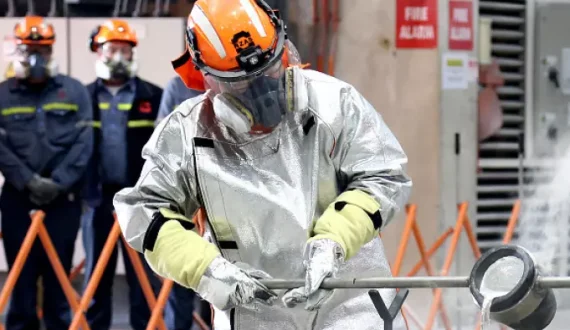
NZ aluminium extruders seek recycling protection as 109% import surge threatens sector
Imported hollow extrusions arrive at ~US$4,000/tonne, while local manufacturers pay higher prices for aluminium billet, making it hard for recyclers to compete.
-
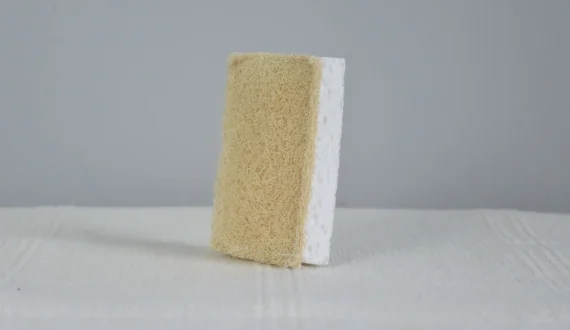
IISc’s bio-based foam moves to market with absolute cold for cold-chain packaging
The cold-chain logistics company is now developing a commercial product from the lab material for temperature-critical storage and transport applications.
-
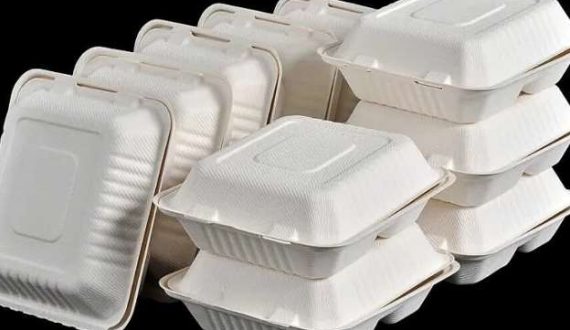
Ghana’s EPA: Styrofoam ban signals wider plastic crackdown
EPA’s Professor Ayamga-Adongo cautioned importers against fresh styrofoam orders, warning that post-deadline consignments will be confiscated and legal action taken.
-
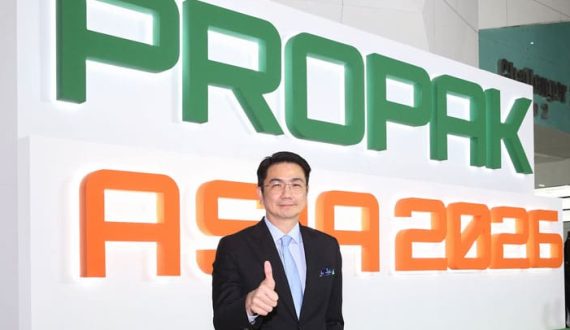
AIP, Informa Markets expand packaging education partnership across Asia
The expanded partnership highlights packaging education’s rising importance in Asia-Pacific, a market projected to grow from US$327.6B in 2024 to US$393.4B by 2029.
-

Cupid’s South Africa JV Plans local packaging, manufacturing with zero-capex model
The joint venture will integrate packaging into its manufacturing, handling local labelling, artwork, and pack variants to meet tender specifications.
-
Bharat PET receives SEBI nod for US$9.1M packaging IPO
In fiscal 2025, the company posted revenue of ₹411.82 crore (US$4.9M), pro forma EBITDA of ₹87.93 crore (US$1.05M), and PAT of ₹50.99 crore (US$0.61M).
-
Nestle seeks industry consultation on India’s front-of-pack food labelling rules
The front-of-pack labelling debate reflects a wider global trend, countries including Mexico, Chile, and Brazil have already introduced mandatory warning labels on packaged foods.
-
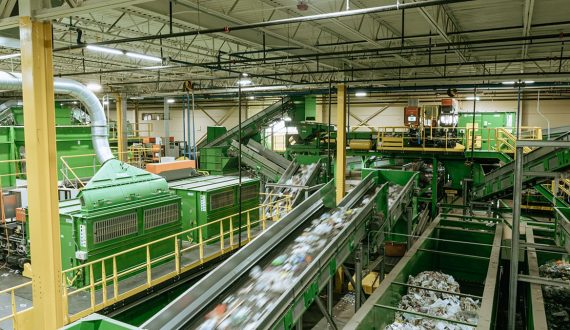
WM’s US$1.4B AI recycling, packaging waste push targets 90% facility automation
The facility’s AI-driven optical sorting has boosted performance, recycling EBITDA grew 22% in 2025, even as commodity prices fell 20%.
-

Papela joins Blister Pack collective as first converter to advance dry moulded fibre packaging
Papela brings practical converter insight to help commercialise fibre-based blister packaging. strengthening a collective that already includes Haleon, Opella, Bayer Consumer Health, and Sanofi Rx.
-

Sonoco hikes EMEA recycled paperboard prices by US$70/T amid rising energy, fuel costs
The EMEA price adjustment mirrors broader input-cost inflation in packaging, manufacturers are passing on increases to protect margins amid supply disruptions and persistent price pressures.