

WORLD NEWS
-
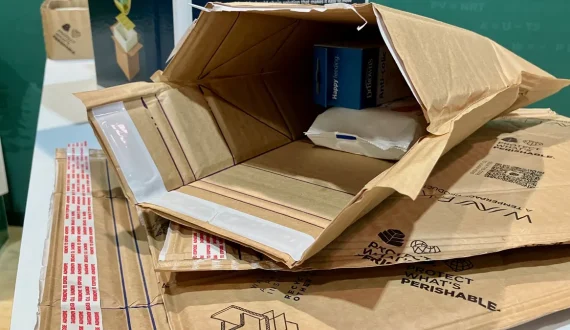
AICC slams 63% market dominance as three containerboard packaging hikes in five months hit
Skeptical of those explanations in containerboard, the association argues the moves may signal “a small group of producers having market dominance.”
-
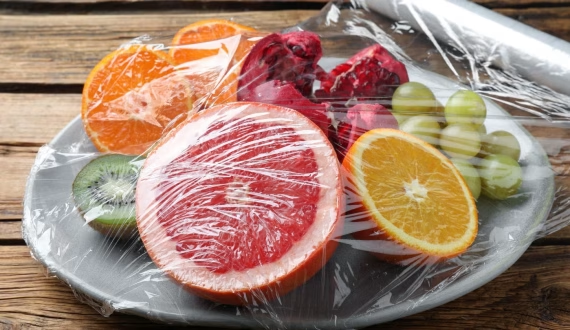
Kyushu University’s self-healing packaging film detects spoilage with colour-changing anthocyanin
The film detects spoilage through sealed packaging using natural pigments from purple sweet potato and red cabbage, addressing a key shortfall in standard food packaging.
-
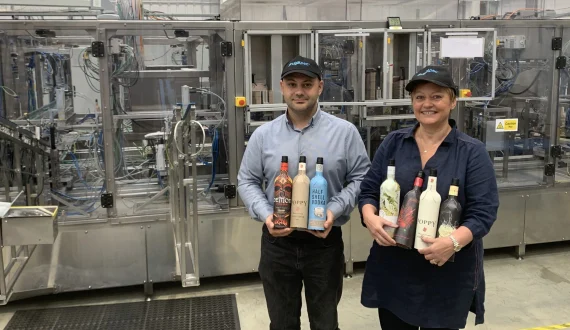
Frugalpac, Siemens lease-purchase deal removes investment barrier for 14M annual paper bottle production
The bottle’s carbon footprint is 84% below that of standard glass, and the new machine slashes production costs by up to 30%, bringing the Frugal Bottle to price parity with labelled glass.
-
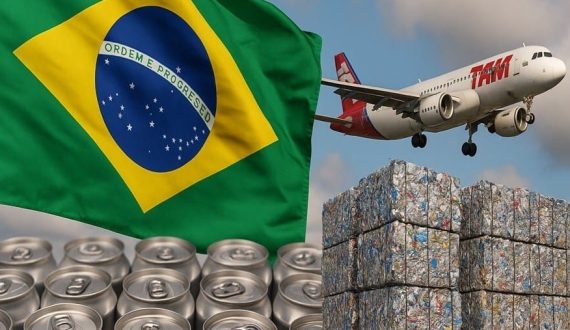
Brazil’s 590% aluminium scrap export surge to China squeezes domestic recycling as Novelis closes collection centre
Tighter scrap supply has already hit local producers, Novelis, Brazil’s top aluminium recycler, closed its Juiz de Fora collection centre last year due to material shortages.
-
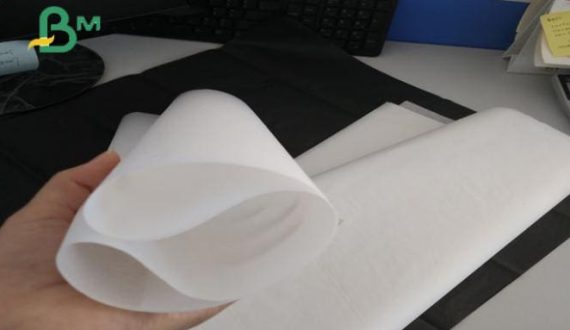
MM Board & Paper’s new lightweight Kraft paper targets 40-50 gsm food, non-food packaging
Made from 100% ECF virgin fibres, the range offers food-contact options and complies with BfR XXXVI, FDA § 176.170, and EC 1935/2004.
-
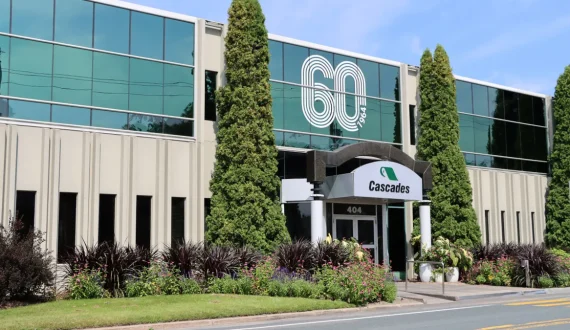
Cascades Q2 profit beats forecasts on 9% packaging volume surge
Packaging volumes beat forecasts, total shipments up 9% sequentially, boxes +6%, external paper +11%. CEO Hugues Simon said fiber rolls are “extremely tight” as demand outstrips shipping capacity.
-
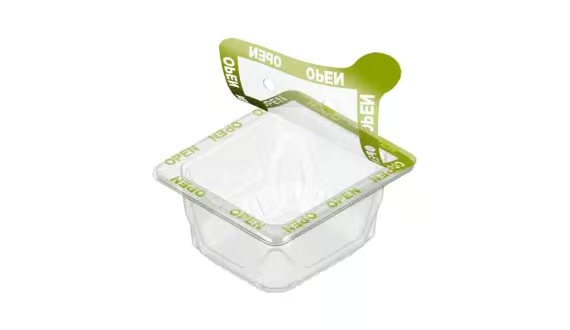
Securikett’s new heat-free tray sealing label replaces welded lids with VOID tamper evidence
The tamper-evident seal uses an integrated VOID effect to show a visible, irreversible opening indication, instantly revealing if a package has been opened or tampered with.
-

Go-Pak’s new 100% rPET Clarity Cups beat UK plastic tax, green RAM rating
The green RAM rating is a key UK market differentiator, as packaging producers must prove recyclability to lower EPR costs and dodge penalties.
-
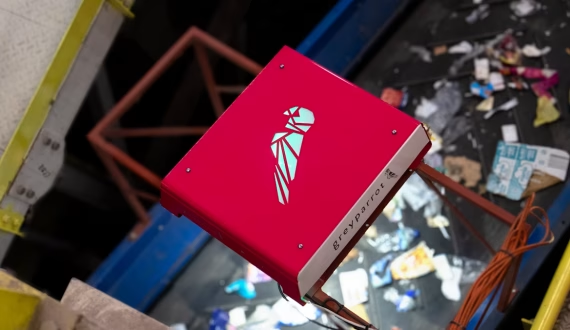
Greyparrot secures US$27M for AI waste tech after detecting 1T objects across 20 countries
The firm’s technology also helps MRFs, waste managers, and regulators spot contamination trends and boost sorting efficiency across the recycling chain.
-
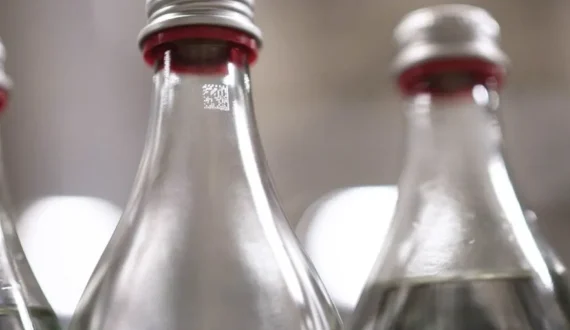
Coca-Cola German bottler, Vetropack, Myneral labs develop AI-powered reusable glass bottle traceability system
Each glass bottle bears an engraved data matrix code that AI-powered cameras read at every production-line pass, enabling individual tracking throughout its use cycles.