
WORLD NEWS
-

Ahlstrom’s new Grease-Gard PLUS, PRO target PFAS-free fast food packaging
The recyclable product replaces wax-treated papers in moist food-service applications, helping brands reduce single-use plastics and coated packaging.
-

Elopak’s Q2 EMEA revenue rises 7.9% as Americas margin hits 22.9%
EMEA carton and closure revenue rose 7.9% year-over-year, driven by Pure-Pak UHT dairy growth and Roll Fed expansion across Central and Eastern Europe.
-
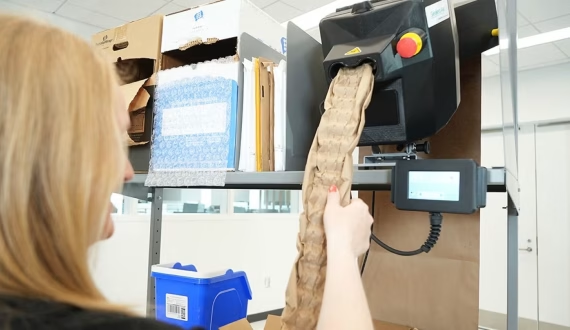
Sealed Air’s paper cushioning system optimises tight pack stations with 120ft/min output
The ProPad Mini handles both one-ply and two-ply fanfold paper, ideal for e-commerce, 3PL, and distribution operations.
-
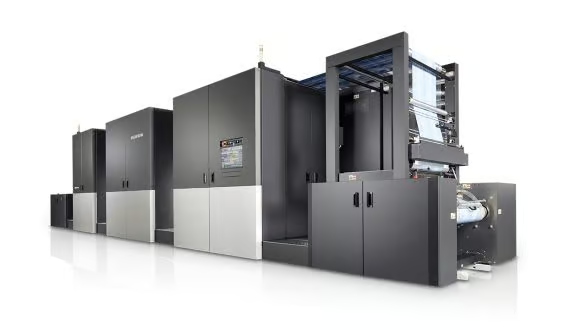
Quantum Flex Pack makes first US purchase of Fujifilm J Press FP790
The press integrates into flexible packaging workflows and delivers a wider colour gamut, enabling conversion or co-production with analog flexo and rotogravure.
-
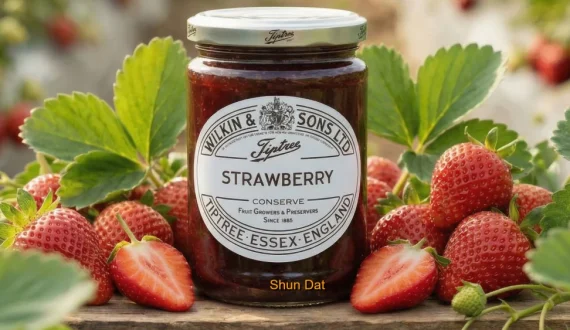
UK plastic tax revision drives Tiptree’s switch to Amcor’s certified 30% PCR films
Tiptree chose the two films for their independently certified PCR content, supporting sustainability reporting and ensuring traceability through monitored production.
-
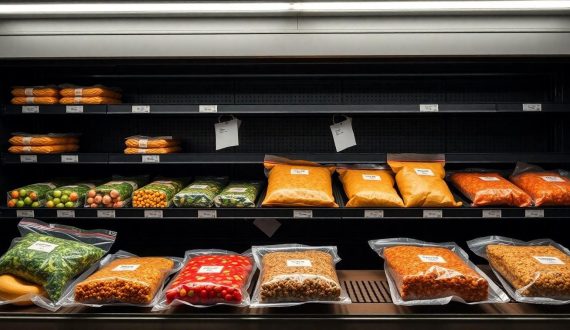
ExxonMobil, LD PACK create recyclable mono-material frozen food packaging
The move reflects the packaging industry’s broader shift to simpler, circular solutions, as brands cut material complexity while maintaining performance for commercial distribution.
-
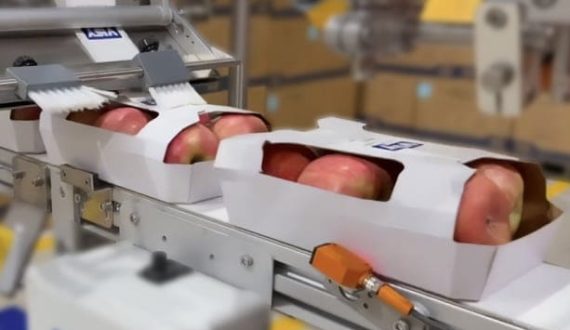
Visy’s plastic-free labelling system locks fresh produce with cardboard flaps, paper labels
The plastic saved depends on the punnet size and flow-wrap replaced, but the transition still represents a major reduction in single-use plastic across fresh produce.
-
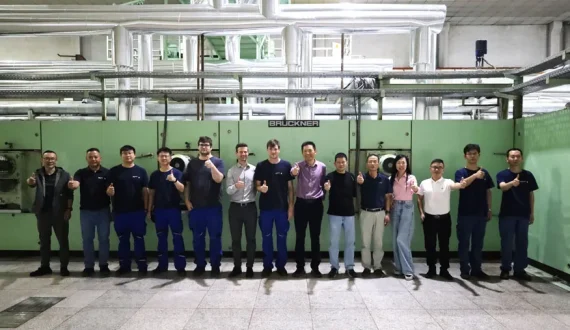
Firsta validates heat-resistant ILC-BOPP film for 150°C, Zero-VOC coating line
Integrated capabilities, masterbatch, BOPP, coating, and metallisation across the group, ensure consistent quality and faster development for Asia’s expanding packaging market.
-
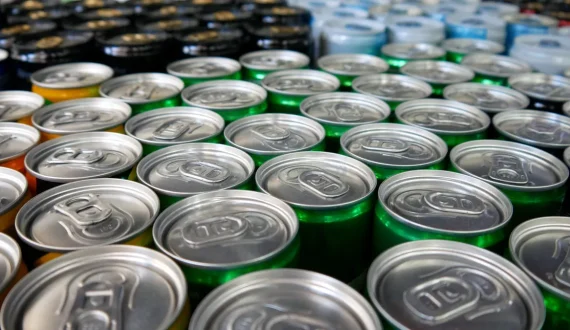
Ardagh’s 76% metal packaging stake on the block: US$3.1B NYSE prize
The potential divestment follows Ardagh Group’s November restructuring, bondholders took control in a recapitalisation that converted US$4.2B of debt to equity and injected US$1.5B in fresh capital.
-
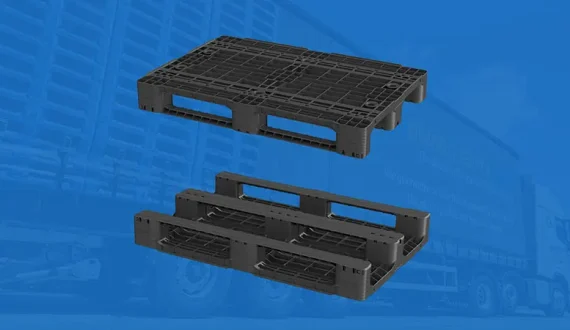
Goplasticpallets.com’s new 8.3kg plastic pallet slashes airfreight weight, wood waste
The pallet’s three closed runners and uniform size make it automation-friendly, and its Euro-pallet dimensions enable a seamless transition without specification changes.