

Sealed Air, Coveris, Dole rethink food packaging to cut waste
Sealed Air’s Carmen Roveda said packaging is approached as a complete system, not a single material pick, and carbon reduction can’t be pursued in isolation.
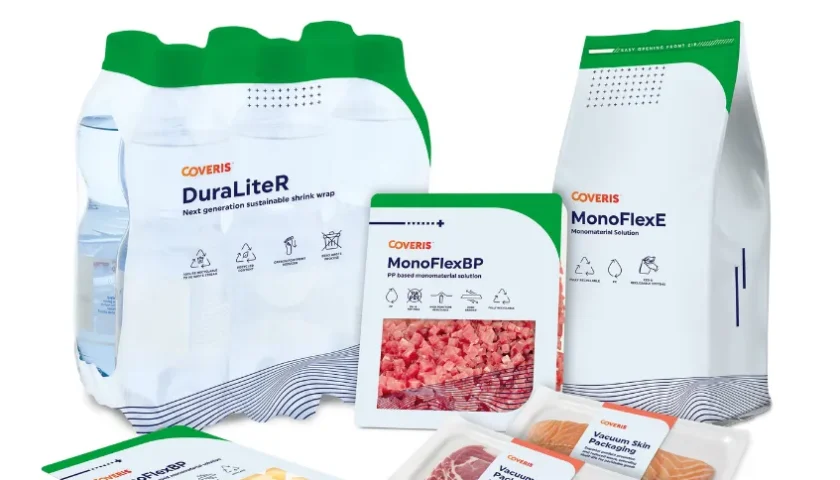
GLOBAL – Sealed Air, Coveris and Dole have outlined distinct strategies to reduce food waste and carbon emissions through packaging innovation, combining material reduction, recyclable monomaterial development and ventilated transport designs.
Carmen Roveda, EMEA director of sustainability and application for the food segment at Sealed Air, said the company approached packaging as a complete system rather than a single material choice, adding that carbon reduction could not be pursued in isolation.
The company’s Cryovac AutoWrap Lite system illustrates that balance.
In internal packaging trials using a 300-gram cheese portion, AutoWrap Lite packs used approximately 2.3 grams of plastic compared with approximately 6.3 grams for selected conventional vacuum thermoformed packs, representing a 63.5 percent reduction in plastic usage.
The system is designed to maintain required shelf life and freshness conditions of 45 to 120 days, depending on product and conditions.
Roveda said the film is designed for recycling with a certification of 87 percent recyclability by the Cyclos-HTP Institute, while noting that actual outcomes depend on final pack configuration and local collection infrastructure.
Coveris Advances Monomaterial and Paper Barrier Solutions
Fiene Szaki, group sustainability director at Coveris, emphasised that circular packaging materials must remain commercially viable.
Szaki said balancing carbon reduction with performance, food safety, shelf life, recyclability and cost started with selecting the right material for each application.
Flexible plastic packaging remains essential where strong moisture and oxygen barriers protect products and extend shelf life, typically using minimal material to deliver maximum protection.
Coveris is also advancing recyclable monomaterial structures that maintain performance while simplifying end-of-life recycling, alongside paper-based alternatives with enhanced barrier properties.
Dole Uses Ventilated Packaging to Protect Out-of-Specification Fruit
Kumi Shibata of Dole Japan’s sales division spoke at Highly-Functional Material Week Tokyo 2026 about packaging solutions maintaining fruit quality during transport.
Shibata said some fruit in Japan is classified as out of specification and may be discarded for failing appearance standards, with waste risk increasing when fruits such as bananas are stored in tightly sealed plastic bags that can promote mould growth.
After harvesting, Dole packages bananas in perforated plastic bags allowing airflow before placing them in cardboard boxes with a large rectangular opening at the top to support ventilation during international transportation.
Shibata said the solution could give out-of-specification fruit a second chance by protecting them for products such as yogurt, smoothies and fruit bowls.
Subscribe to our email newsletters that provide busy executives like you with the latest news insights and trends from Africa and the World. SUBSCRIBE HERE


Be the first to leave a comment