

Wood foam turns waste into wealth: UBC, First Nation’s packaging breakthrough
The lightweight foam breaks down in soil within months, offering an alternative to plastic foam, which can linger in landfills for over 500 years.
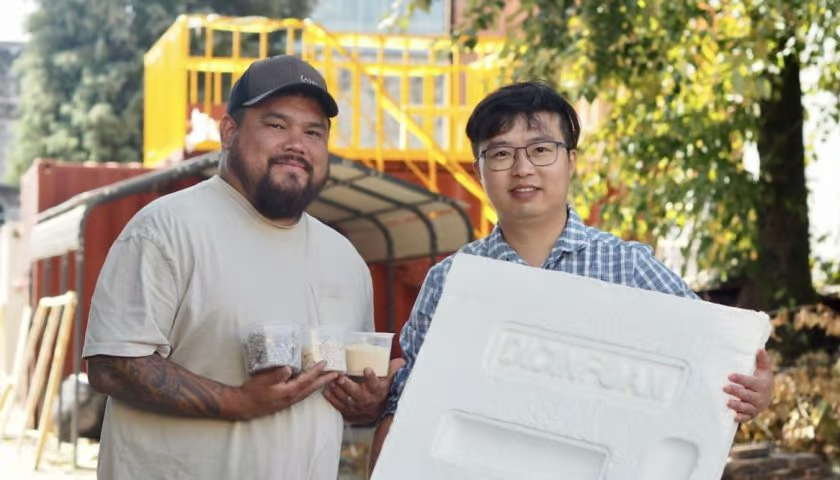
CANADA – The University of British Columbia and the Wet’suwet’en First Nation have launched a pilot plant in Vancouver that produces biodegradable wood foam from forestry waste, with the facility operating at 150 to 200 kilograms daily and plans for expansion to 1,000 tonnes per year.
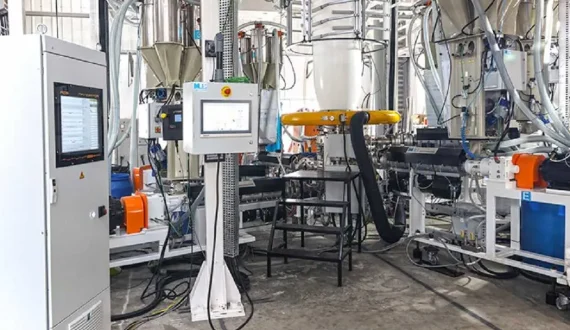
The pilot plant, operated by DicinFoam, a majority-owned subsidiary of YLP (the Wet’suwet’en First Nation’s business arm), processes softwood species including spruce, pine and fir using heat, mechanical methods and limited chemical additives.
The resulting lightweight foam decomposes in soil within months, offering an alternative to plastic foam packaging that can persist in landfills for over 500 years.
The intellectual property is jointly owned by UBC and YLP, with the partnership aiming to create a forest bioeconomy that reduces reliance on fossil fuel-based products.
From Lab to Commercial Production
The technology originated in the lab of Dr. Feng Jiang at UBC’s faculty of forestry and environmental stewardship. Dr. Yeling Zhu, who completed postdoctoral work in Jiang’s lab, returned to lead the scale-up as DicinFoam’s chief technology officer.
The Vancouver facility shares its site with Plantee, a manufacturer of wood-based construction materials, whose industrial expertise supports the scale-up process.
The partnership demonstrates how academic research, Indigenous entrepreneurship and industry expertise can converge to create sustainable alternatives to conventional packaging materials.
Planned Expansion and Community Impact
The plant currently produces 150 to 200 kilograms of wood foam per day, allowing potential customers to test the material.
The next planned stage targets a larger facility in Burns Lake, within Wet’suwet’en territory, with an annual capacity of 1,000 tonnes of biodegradable foam, creating up to 15 jobs.
After that, the company plans to move into a 15,000-tonne facility on Vancouver Island, where a further 35 to 60 jobs are expected.
Two members of Huu-ay-aht First Nation on Vancouver Island are currently training at the Vancouver plant to support future operations.
The material is also being used to make insulation panels treated to meet building performance standards, a market that currently relies heavily on imported wood-based products.
Sustainability and Economic Vision
Reg Ogen, president and CEO of YLP, stated that the partnership aims to maximize utilization to add value and respect to each harvested tree and land, creating a forest bioeconomy.
Dr. Jiang noted that the pilot creates opportunities to train the next generation of talent, including Indigenous students, in sustainable materials development and business.
Subscribe to our email newsletters that provide busy executives like you with the latest news insights and trends from Africa and the World. SUBSCRIBE HERE
Be the first to leave a comment